
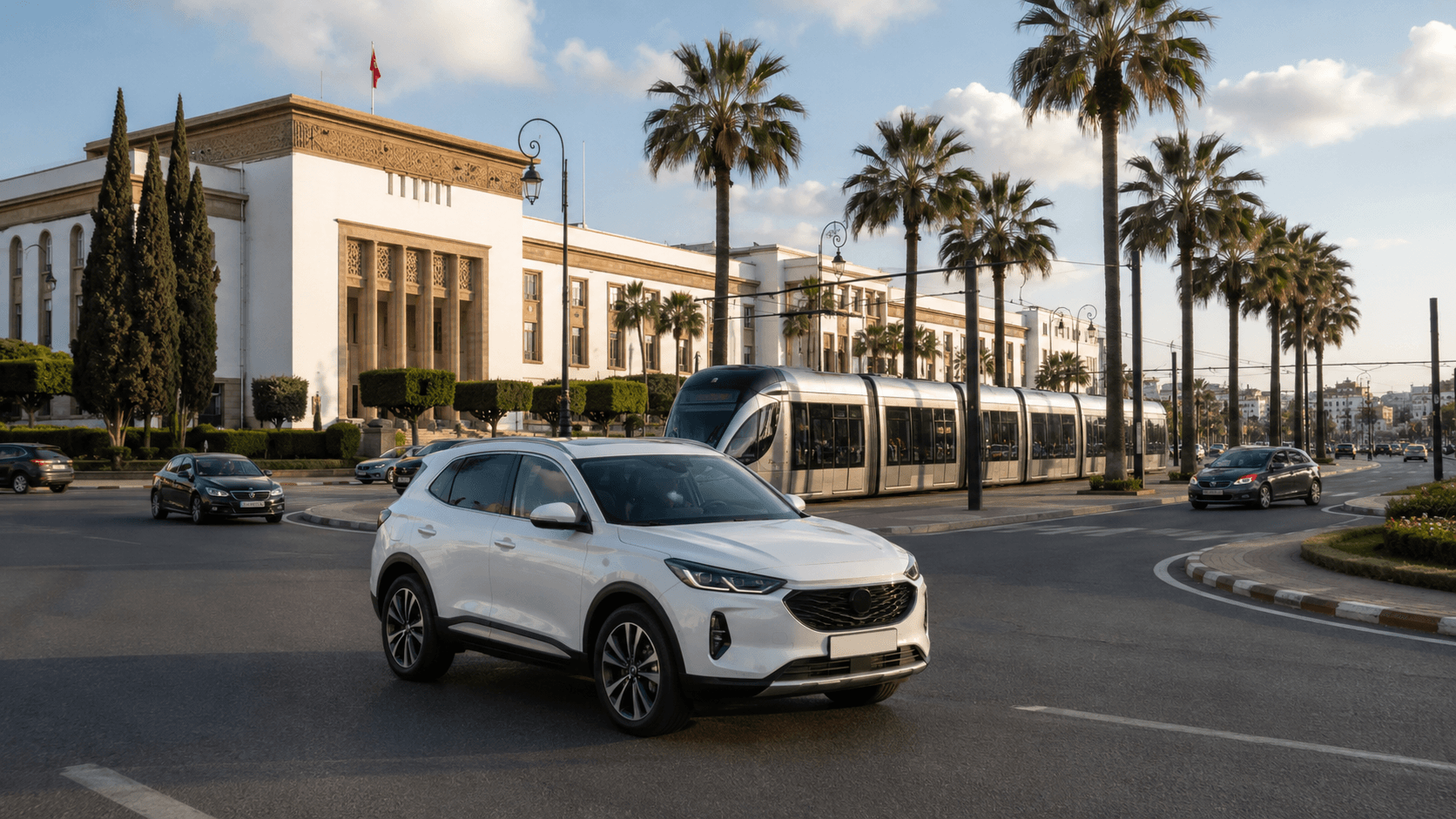
Driving in Rabat is one of the easiest experiences in Morocco. The capital has wider roads, calmer traffic and clearer signage than Casablanca or Marrakech. Expect moderate congestion during rush hour on Avenue Mohammed V between 8–10 a.m. and 5–7 p.m., and stay alert for motorbikes and pedestrians in busy districts.
Rabat often surprises first-time visitors. While many travelers expect chaotic traffic across Morocco, the capital feels noticeably more organized and relaxed than cities like Casablanca or Marrakech. Wide boulevards, modern tram lines, coastal roads and newer infrastructure make driving here far less stressful than many tourists imagine.
For visitors planning to explore Morocco independently, driving in Rabat can actually become one of the easiest introductions to Moroccan road culture. The city combines European-style avenues with Moroccan driving habits, creating an experience that feels manageable for international drivers while still requiring awareness and flexibility.
Whether you are arriving for business meetings, a family holiday, or a longer Moroccan road trip, understanding how Rabat traffic works will help you save time, avoid unnecessary stress and drive more confidently.
Many travelers who choose to rent a car in Rabat quickly discover that the city is ideal for self-driving holidays. With direct highway access, modern districts and easy airport connections, Rabat works well both as a destination and as a starting point for exploring the rest of Morocco.
Table of Contents
- Rabat in 30 seconds, what every driver should know
- Rules of the road in Morocco
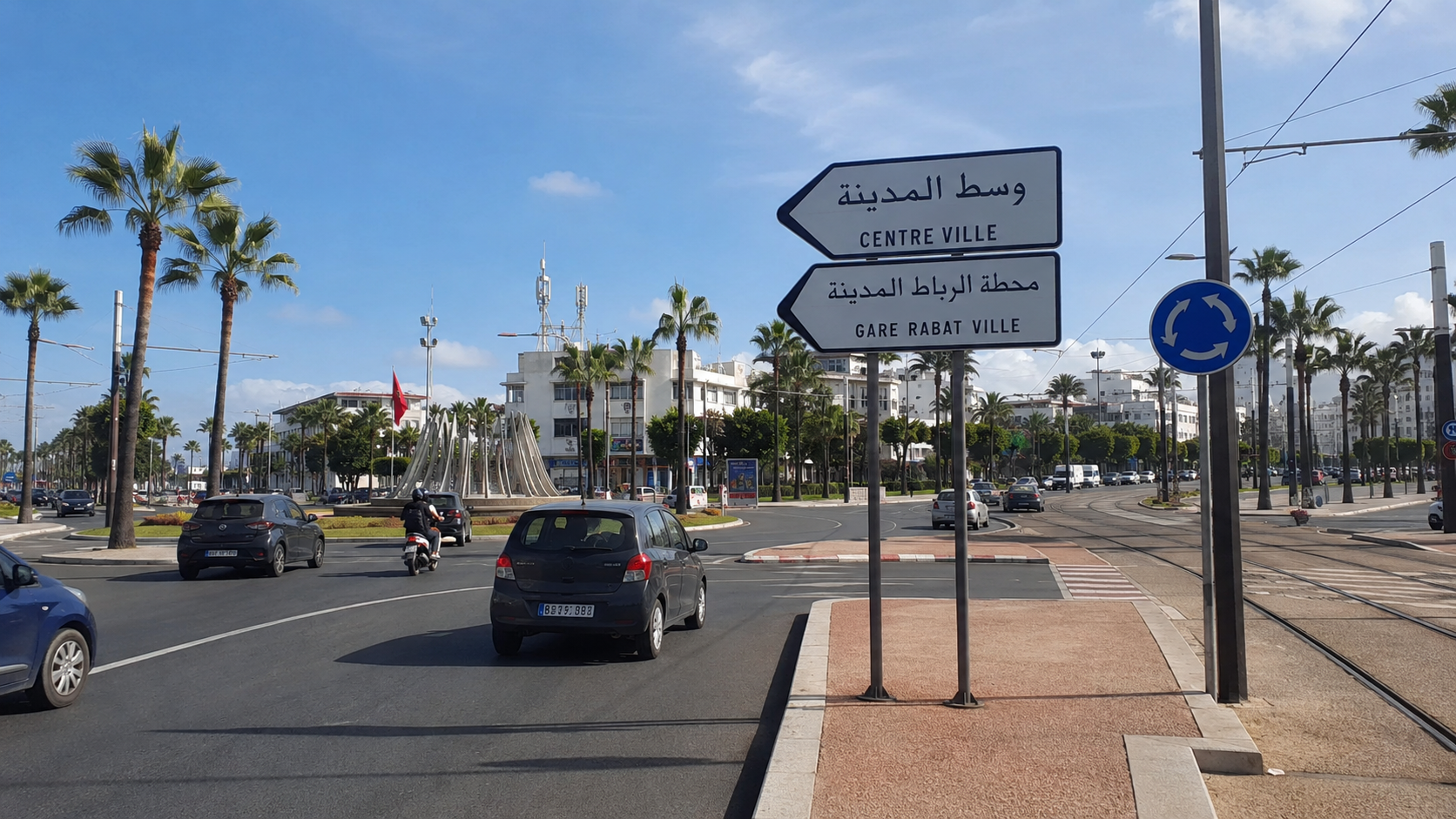
- Reading the signs, Arabic and French road signs explained
- Rabat traffic by time of day
- Roundabouts, lane discipline and the unwritten rules locals follow
- Parking in Rabat, what tourists should know
- Police checkpoints, what to expect and what documents to show
- Common driving mistakes tourists make in Rabat
- Driving from Rabat-Salé Airport into the city
- Emergency numbers and what to do after an accident
- Is driving in Rabat safe?
- Best day trips from Rabat by car
- FAQ
- Book Your Rabat Car Rental With MarHire
Rabat in 30 Seconds, What Every Driver Should Know
Rabat is Morocco’s political and administrative capital, and its infrastructure reflects that status. Roads are generally better maintained, traffic rules are followed more consistently and congestion is less aggressive than in Morocco’s largest commercial cities.
Here are the basics every visitor should know before driving in Rabat:
- Morocco drives on the right-hand side
- Urban speed limits are usually between 40–60 km/h
- Highway speed limits reach 120 km/h
- Main roads are modern and well maintained
- Road signs are mainly in Arabic and French
- Police checkpoints are routine and professional
- Roundabouts are extremely common
- Traffic is busiest during weekday rush hours
- Parking attendants are common throughout the city
Drivers arriving from Europe often adapt very quickly to Rabat roads. Compared with Marrakech medina traffic or Casablanca’s dense city centre, Rabat feels calmer, wider and more predictable.
The city is also strategically positioned for road trips. The A1 motorway connects Rabat with Casablanca, Tangier and northern Morocco, while the N6 connector provides direct access to inland regions and Rabat-Salé Airport (RBA).
Travelers landing at the airport often prefer to pick up at Rabat-Salé Airport before heading into the city, especially when planning day trips or longer journeys across Morocco.
Rules of the Road in Morocco
Before driving in Rabat, understanding Moroccan driving laws is essential. Most regulations are straightforward and similar to European standards, but local enforcement can be strict regarding speeding, seat belts and documentation.
Right-Hand Drive
Morocco drives on the right side of the road. Vehicles are left-hand drive, meaning the steering wheel is positioned on the left side.
For visitors from the UK, Ireland, Australia or South Africa, this adjustment may take a few hours, especially at roundabouts and intersections.
Speed Limits Morocco Drivers Must Follow
Speed enforcement is taken seriously throughout Morocco, particularly near urban entrances and highways.
Typical limits include:
- 40–60 km/h in city zones
- 80–100 km/h on rural roads
- 120 km/h on highways and toll roads
Police radar controls are common near Rabat entrances, especially on the A1 motorway and major connectors.
Drivers should always slow down when approaching urban districts or checkpoint areas.
Seat Belt Laws
Seat belts are mandatory for front and rear passengers.
Tourists are sometimes surprised that police may stop vehicles specifically for seat belt compliance checks.
Mobile Phone Restrictions
Using a handheld phone while driving is illegal in Morocco.
Hands-free systems are permitted, but drivers should avoid unnecessary distractions in busy city traffic.
Alcohol and Driving
Morocco applies strict drink-driving regulations.
The safest approach is simple: avoid alcohol entirely before driving.
Child Seat Rules
Children should use appropriate car seats depending on age and size. Families renting vehicles in Rabat can usually request child seats in advance.
Reading the Signs, Arabic and French Road Signs Explained
One reason driving in Rabat feels easier than expected is the quality of signage.
Most signs use Arabic and French together, and highways use internationally recognizable symbols.
Some common French road terms include:
| French Sign | Meaning |
|---|---|
| Sortie | Exit |
| Centre Ville | City Centre |
| Ralentir | Slow Down |
| Sens Interdit | No Entry |
| Déviation | Detour |
| Péage | Toll |
| Stationnement Interdit | No Parking |
Highway signs toward Casablanca, Tangier, Kenitra and Fes are clear and easy to follow.
Around major tourist and business areas, navigation apps work very reliably. Google Maps and Waze are both widely used by locals in Rabat.
Visitors usually adapt quickly because the road layout is more structured than in older Moroccan cities.
Rabat Traffic by Time of Day
Understanding Rabat traffic patterns helps avoid unnecessary delays.
Compared with Casablanca, traffic volume remains moderate, but certain periods still become congested.
Morning Rush Hour
The busiest traffic period is generally between 8–10 a.m.
Key congestion areas include:
- Avenue Mohammed V
- Hassan district
- Agdal
- Hay Riad
- Government ministry zones
- Tramway intersections
School traffic also contributes to delays during weekday mornings.
Evening Traffic
The second peak occurs between 5–7 p.m.
Bridges connecting Rabat and Salé often slow significantly during this period.
Traffic near shopping districts and office zones can also become crowded.
Friday Prayer Traffic
On Fridays around midday, roads surrounding mosques become busier temporarily.
Parking may become difficult in central districts during prayer hours.
Ramadan Traffic Patterns
Driving during Ramadan follows a very different rhythm.
Afternoons can feel quieter than usual, but traffic intensifies sharply before sunset as people rush home for iftar.
This is often the most unpredictable driving period in Morocco.
Drivers should remain patient and avoid aggressive maneuvers during these hours.
Roundabouts, Lane Discipline and the Unwritten Rules Locals Follow
Roundabouts are one of the defining features of driving in Rabat.
They appear throughout the city, especially in modern districts and major intersections.
While official traffic law gives priority to vehicles already inside the roundabout, real-world driving sometimes depends on confidence, positioning and timing.
How to Handle Rabat Roundabouts
- Approach slowly
- Watch for scooters filtering through traffic
- Signal clearly when exiting
- Avoid sudden braking
- Maintain predictable movement
Hesitating too much can confuse surrounding drivers.
Local motorists generally expect traffic to keep flowing steadily rather than stopping unnecessarily.
Lane Discipline in Rabat
Lane markings exist and are usually respected, but flexibility is common during congestion.
Drivers may:
- Merge late
- Change lanes suddenly
- Use gaps aggressively
- Filter between lanes on scooters
The best strategy is calm defensive driving rather than aggressive competition.
Tourists who remain patient usually adjust within a day or two.
Parking in Rabat, What Tourists Should Know
Parking in Rabat is generally easier than in Casablanca or Marrakech, but city centre areas can still become crowded.
Types of Parking
You will commonly find:
- Street parking
- Guarded parking lots
- Underground parking garages
- Informal parking attendants
Parking Attendants
Throughout Morocco, unofficial attendants often help drivers park and watch vehicles.
Small tips are normal and expected.
Best Areas for Easy Parking
Modern districts such as Hay Riad and Agdal typically offer easier parking compared with older central neighborhoods.
Avoid Illegal Parking
Do not park:
- Near tram tracks
- In front of entrances
- On sidewalks
- In clearly marked no-parking zones
Towing and fines are possible in busy areas.
Police Checkpoints, What to Expect and What Documents to Show
Police checkpoints are completely normal throughout Morocco.
Tourists sometimes worry when seeing officers stop vehicles, but these controls are usually quick and routine.
Why Checkpoints Exist
Police checkpoints help monitor:
- Traffic safety
- Speed compliance
- Documentation
- Security controls
- Highway monitoring
Documents You Should Carry
Always keep these documents accessible:
- Passport
- Driving licence
- Rental agreement
- Vehicle registration papers
- Insurance information
What Happens During a Stop
Most stops last less than two minutes.
An officer may simply:
- Ask where you are going
- Check documents
- Verify speed compliance
- Wave you through
Remain polite, calm and respectful throughout the interaction.
Common Driving Mistakes Tourists Make in Rabat
Even though Rabat is easier than many Moroccan cities, visitors still make several common mistakes.
Driving Too Fast Entering Urban Areas
Many drivers forget that speed limits drop rapidly near city entrances.
Radar controls are frequent around the A1 and urban transition zones.
Ignoring Scooters
Scooters and small motorbikes are everywhere in Rabat.
Always check mirrors before turning or changing lanes.
Being Too Hesitant
Overly cautious driving at roundabouts can create confusion.
Move confidently when you have safe space.
Parking Incorrectly
Tourists unfamiliar with local parking culture sometimes leave cars in restricted areas.
Using guarded parking is usually the easiest option.
Trusting Lanes Too Literally
Traffic lanes are guidelines, but local driving behavior may be more fluid during congestion.
Defensive awareness matters more than rigid expectations.
Driving from Rabat-Salé Airport into the City
Rabat-Salé Airport is one of Morocco’s easiest airports for car pickup and driving access.
The airport sits northeast of central Rabat and connects efficiently through the N6 route.
Typical Drive Times
- Rabat city centre: 20–30 minutes
- Agdal: around 25 minutes
- Hay Riad: approximately 30–35 minutes
Traffic depends heavily on arrival times.
Morning and evening rush hours can extend travel times significantly.
Airport Driving Conditions
Roads leaving the airport are modern and well signposted.
Visitors usually find the transition from airport to city straightforward compared with larger airports in Casablanca or Marrakech.
Emergency Numbers and What to Do After an Accident
Most trips in Rabat happen without any issues, but knowing emergency procedures remains important.
Emergency Numbers in Morocco
| Service | Number |
|---|---|
| Police | 19 |
| Medical / Fire Emergency | 15 |
If You Have a Minor Accident
For small incidents:
- Move vehicles safely if possible
- Exchange insurance and identification details
- Contact your rental company
- Photograph the scene
- Wait for instructions if police are involved
Serious Accidents
If injuries occur:
- Call emergency services immediately
- Stay at the scene
- Avoid moving injured persons unless necessary for safety
- Contact your rental provider
Most professional rental companies assist travelers throughout the reporting process.
Is Driving in Rabat Safe?
Yes, driving in Rabat is generally considered safe for tourists.
Compared with many large cities worldwide, Rabat offers relatively organized traffic, modern roads and visible police presence.
Why Rabat Feels Safer Than Expected
Several factors make Rabat approachable:
- Wider avenues
- Better road maintenance
- Modern infrastructure
- Lower traffic density than Casablanca
- More structured neighborhoods
- Good highway access
Night driving is also manageable in central areas, though caution is still important on quieter outer roads.
Like anywhere, confidence grows quickly once drivers understand the local rhythm.
Best Day Trips from Rabat by Car
One major advantage of renting a car in Rabat is the ability to explore beyond the capital.
Casablanca
Approximately 1 hour via the A1 motorway.
Ideal for business travelers and architecture lovers visiting the Hassan II Mosque.
Chefchaouen
A longer but scenic northern route through mountain landscapes.
Tangier
Modern highways make Tangier reachable within a few hours.
Meknes and Fes
Historic imperial cities accessible through Morocco’s highway network.
Travelers planning extended road trips often combine Rabat with destinations covered in this detailed Rabat travel guide discovering Morocco’s elegant capital city.
Local Etiquette Tips for Foreign Drivers
Understanding local etiquette helps make driving smoother.
Use Your Horn Lightly
In Morocco, short horn taps are often used simply to signal presence rather than anger.
Expect Flexible Driving Behavior
Drivers may improvise slightly during congestion.
Patience works better than confrontation.
Be Respectful at Checkpoints
A calm and polite attitude makes interactions easy and professional.
Stay Alert Around Pedestrians
People may cross roads unexpectedly, especially near markets and residential districts.
FAQ
Do you drive on the left or right in Morocco?
Morocco drives on the right-hand side of the road using left-hand drive vehicles.
What's the speed limit in Rabat city centre?
Most urban roads in Rabat operate between 40 and 60 km/h depending on the district and road type.
Are road signs in Rabat in English?
Most signs use Arabic and French, although international symbols are common and navigation remains straightforward.
Is it safe to drive in Rabat at night?
Yes, central Rabat is generally safe for night driving. Main roads are illuminated and maintained, though drivers should stay alert around pedestrians and scooters.
What should I do if I'm stopped at a police checkpoint?
Remain calm, lower your window politely and provide documents if requested. Most checks are routine and brief.
Are highways around Rabat good quality?
Yes, Morocco’s highway network around Rabat is modern, smooth and well maintained, especially the A1 motorway.
Is parking difficult in Rabat?
Parking can be challenging in central districts during weekdays, but modern neighborhoods usually offer easier options.
Book Your Rabat Car Rental With MarHire
Driving in Rabat gives travelers the flexibility to experience Morocco at their own pace. From coastal boulevards and business districts to day trips across the country, having your own vehicle makes travel far more comfortable and efficient.
MarHire helps visitors explore Rabat with reliable vehicles, transparent pricing and local support designed specifically for Morocco travel.
Whether you need a compact city car, a family SUV or an airport pickup, MarHire offers flexible rental solutions adapted to both tourists and business travelers.