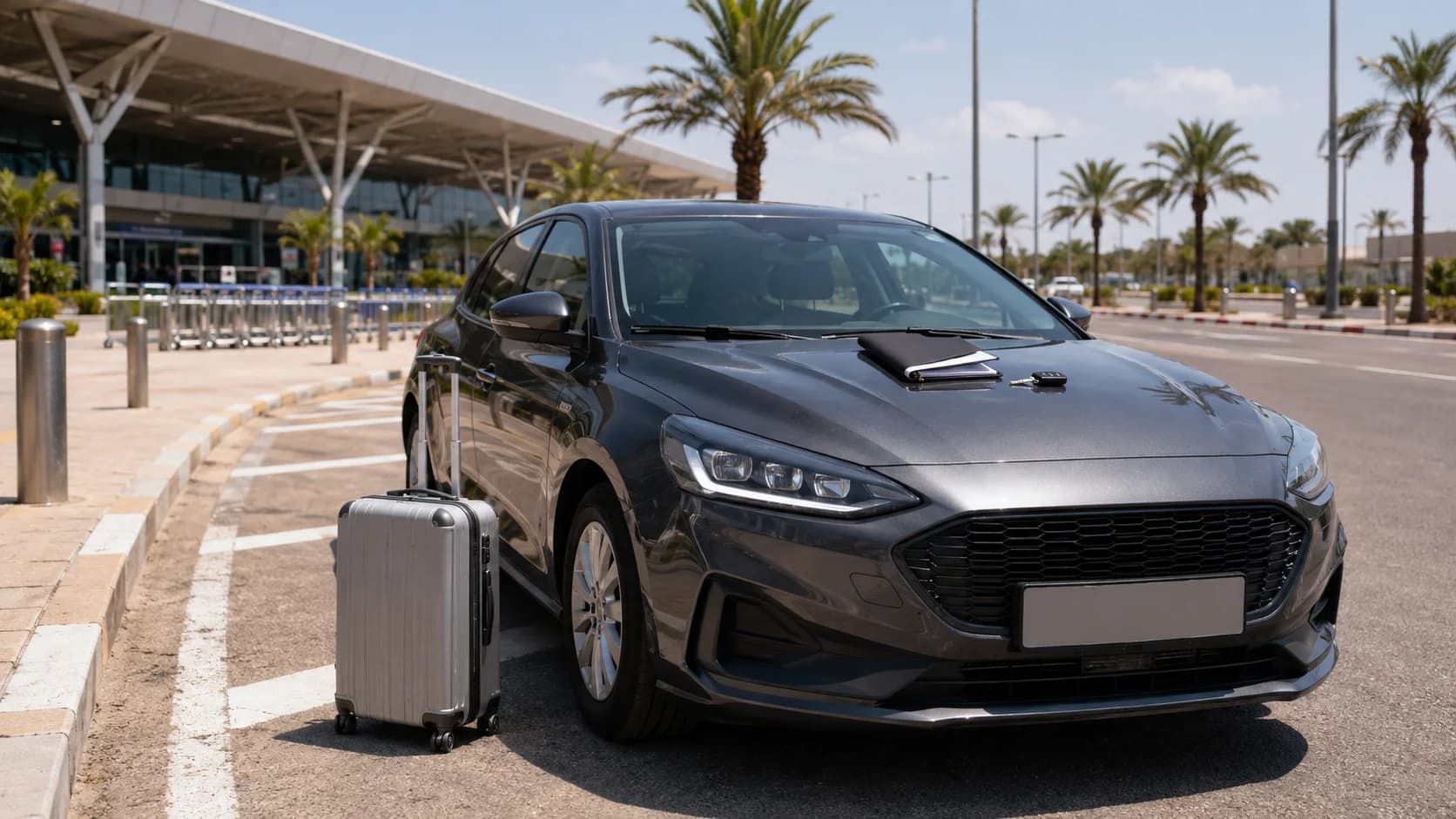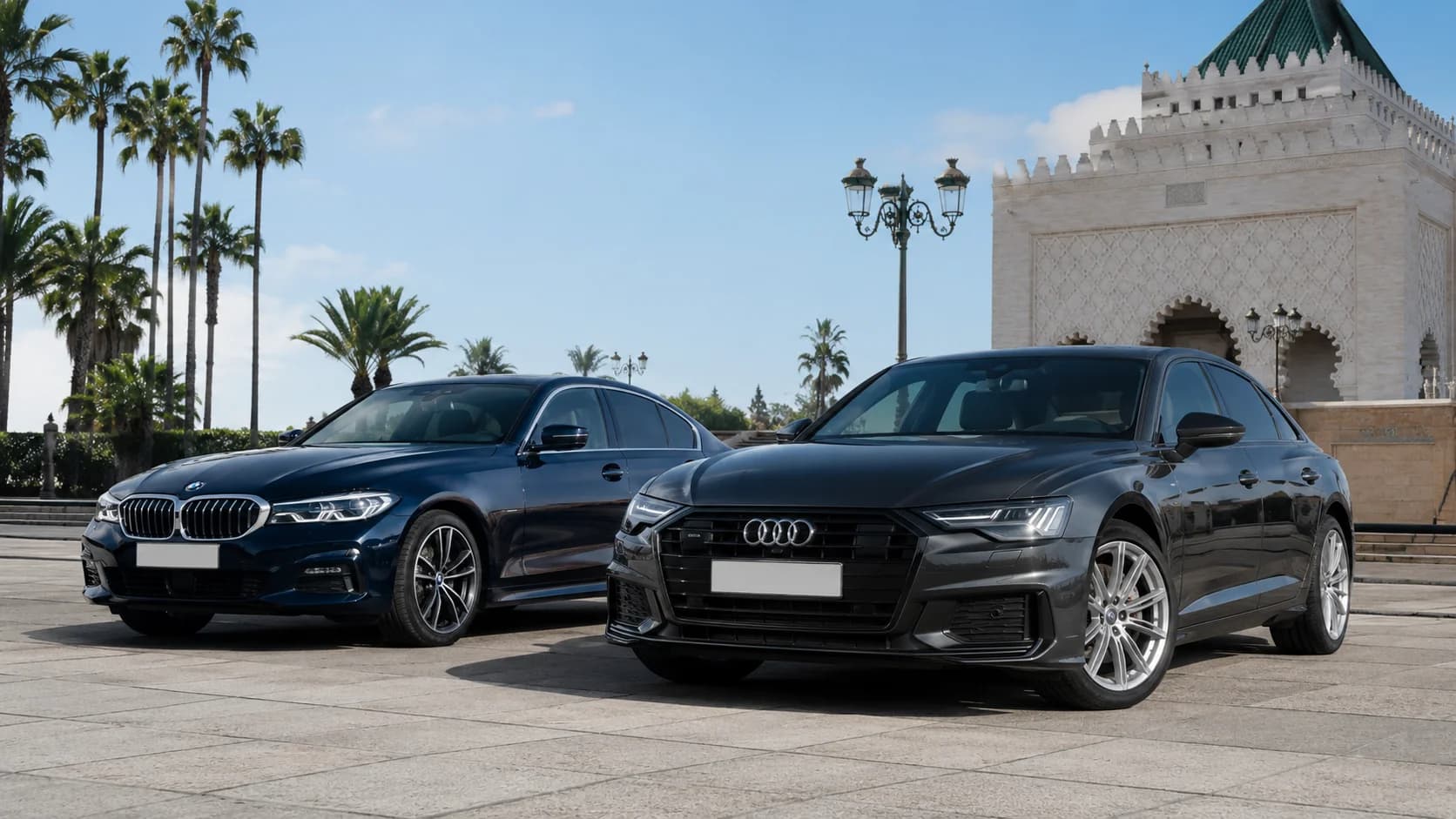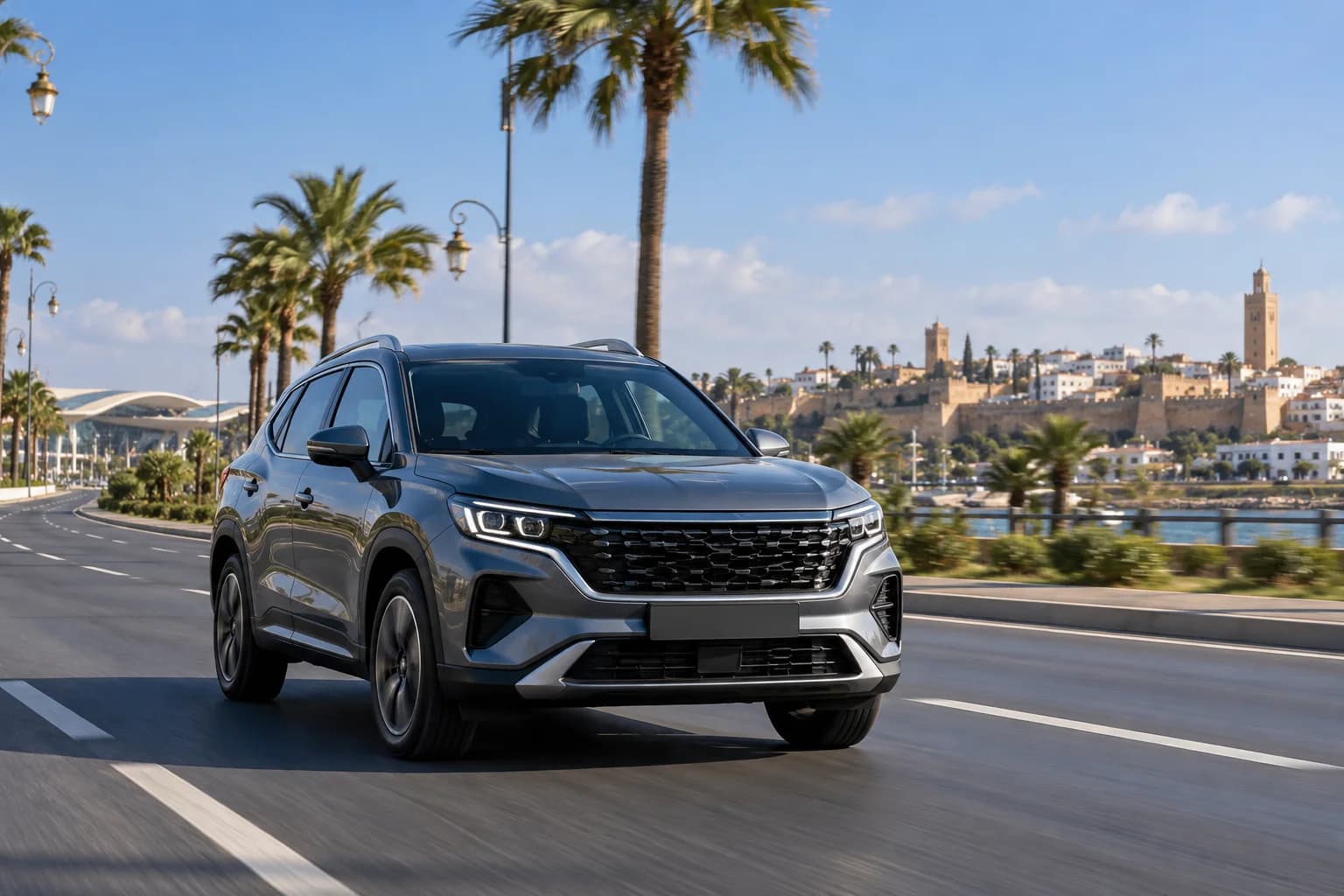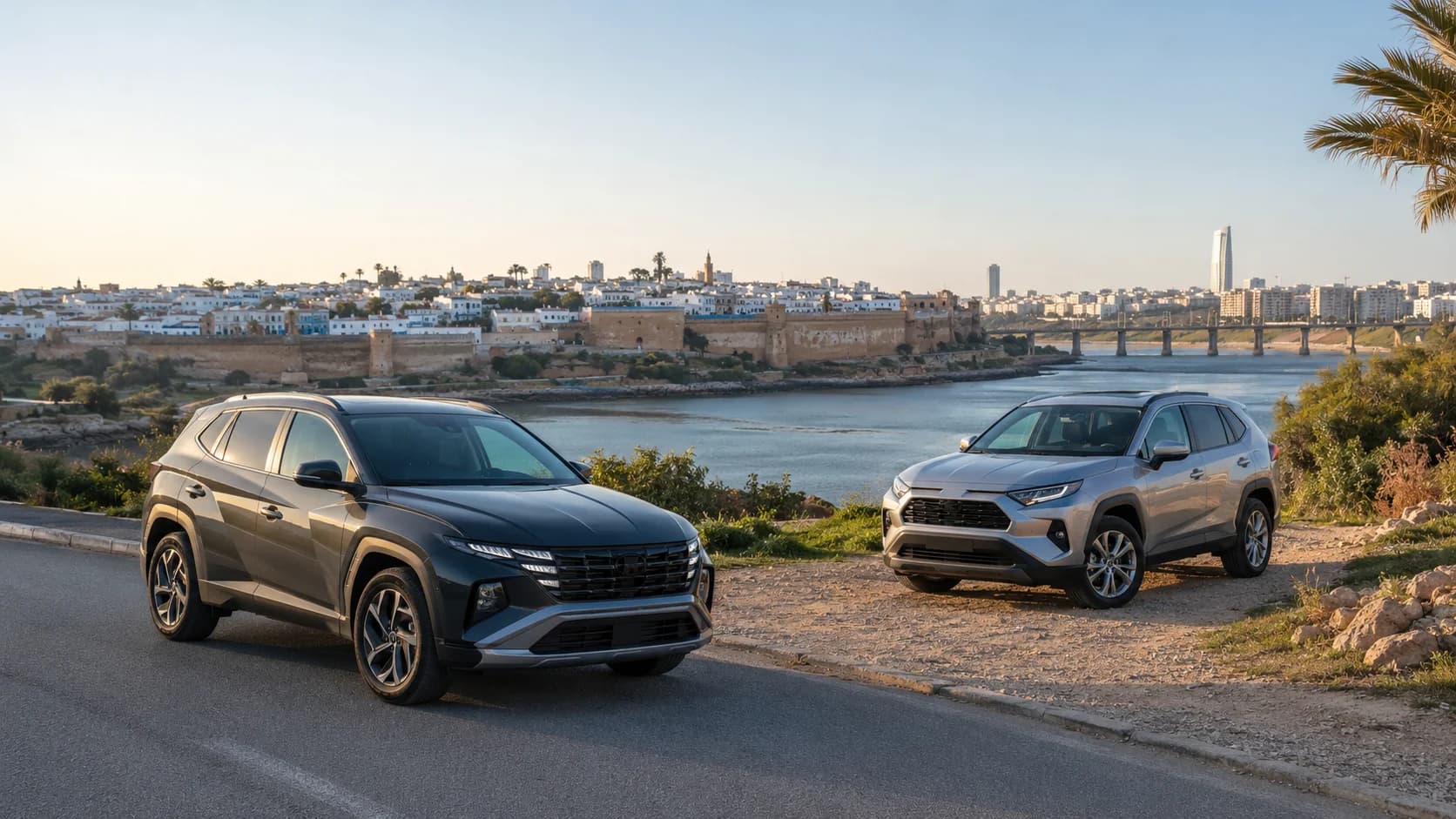


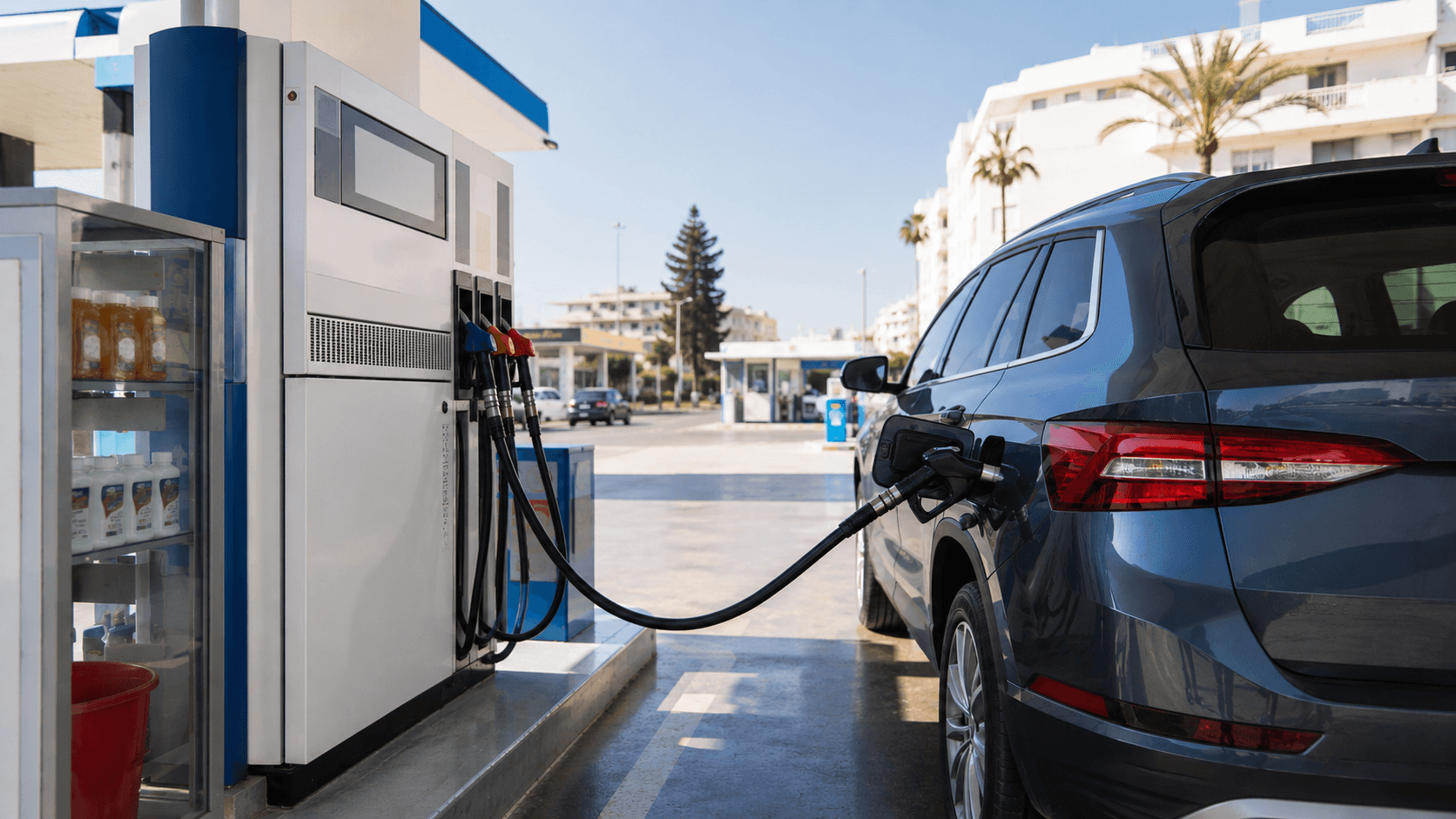
Fueling a car in Morocco is generally simple, affordable and convenient for visitors. Rabat has a modern network of filling stations, major international fuel brands and easy access to highway service areas for long-distance road trips. Whether you are driving a compact city car, an SUV or a diesel rental vehicle, understanding Moroccan fuel types and station etiquette helps avoid confusion during your trip.
Travelers who rent a car in Rabat are often surprised by how organized fuel stations are compared with expectations. Most stations are staffed, highway services are modern, and fuel quality is reliable across major brands.
Current Fuel Prices in Morocco (2026 Rabat Snapshot)
Fuel prices Morocco drivers pay are not fixed nationally forever and may change depending on global oil markets, taxes and distribution costs. However, prices remain relatively stable compared with many European countries.
Average Fuel Prices in Morocco (2026)
| Fuel Type | Average Price (MAD/L) | Approx USD |
|---|---|---|
| Petrol (Sans Plomb 95) | 14.8 MAD | ~$1.50 |
| Diesel (Gasoil) | 12.9 MAD | ~$1.30 |
Diesel Morocco prices are consistently lower than petrol, which explains why many SUVs, vans and long-distance rental vehicles operate on diesel.
Why Highway Fuel Costs More
Motorway service stations between Rabat and Casablanca or Tangier often charge slightly more per litre than city stations.
The difference is usually small, but travelers planning long road trips often refuel inside Rabat before entering the highway.
Do Fuel Prices Change Often?
Yes. Prices can fluctuate weekly depending on international oil markets and local distribution costs.
Travelers staying several weeks in Morocco may notice small changes during their trip.
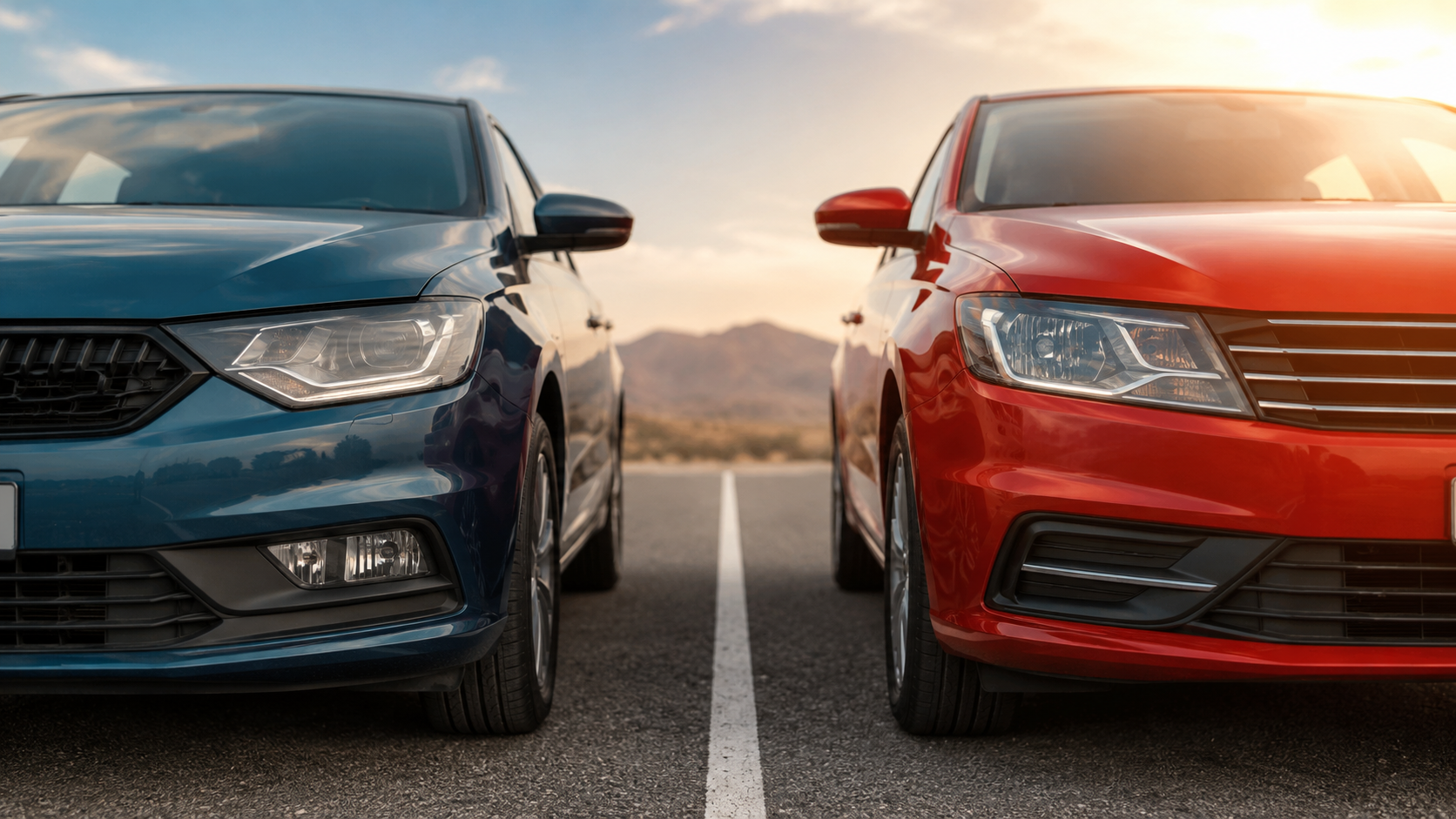
Petrol vs Diesel : How to Know Which Your Rental Needs
One of the most common mistakes tourists make is selecting the wrong fuel at the pump.
Fortunately, identifying the correct fuel type in Morocco is usually easy.
Petrol in Morocco
Petrol is commonly labeled:
- Sans Plomb
- Sans Plomb 95
- SP95
Most small city cars and compact rental vehicles use petrol.
Diesel in Morocco
Diesel is labeled:
- Gasoil
- Diesel
Larger vehicles, SUVs and many automatic rentals in Morocco use diesel engines because fuel economy is better for long-distance travel.
How to Confirm Your Fuel Type
Before leaving the rental office, check:
- The rental agreement
- The fuel cap label
- Dashboard indicators
- Instructions from the rental agent
If unsure, always ask station staff before fueling.
Putting petrol into a diesel vehicle, or diesel into a petrol car can cause serious engine damage.
Which Fuel Is Better for Morocco Road Trips?
For travelers covering long distances between Rabat, Fes, Tangier or Marrakech, diesel vehicles are often more economical due to lower fuel consumption and cheaper gasoil prices.
Major Station Chains in Rabat
Rabat has a modern and competitive fuel station network with both Moroccan and international brands.
Afriquia
Afriquia is one of Morocco’s largest fuel companies and the most common station chain nationwide.
Afriquia stations are modern, easy to find and often include:
- Cafés
- Convenience stores
- Car wash facilities
- Highway service areas
TotalEnergies Morocco
TotalEnergies stations are popular among international travelers because branding and service standards feel familiar.
Many stations around Rabat offer excellent highway access.
Shell Morocco
Shell remains widely available throughout Rabat and major Moroccan highways.
Service quality is generally very reliable.
Petromin Oils
Petromin has expanded significantly in Morocco and is becoming increasingly visible around Rabat.
Vivo Energy
Vivo Energy operates several Shell-branded stations and maintains a strong presence along major road corridors.
Which Stations Are Best?
For most visitors, the best stations are simply those located conveniently before major highway exits or near their hotel.
Fuel quality among major chains is generally dependable.
How to Fuel Up in Morocco
Fueling procedures in Morocco differ slightly from self-service systems common in Europe or North America.
Most Stations Are Full Service
In Morocco, attendants normally pump fuel for you.
You usually stay inside the vehicle while the attendant handles:
- Fuel selection
- Pump operation
- Payment assistance
What to Say at the Pump
Simple phrases work well:
- “Sans plomb, s’il vous plaît”
- “Diesel plein”
- “200 dirhams gasoil”
Many attendants understand basic English or French fuel terms.
Tipping Etiquette
Small tips are appreciated but not mandatory.
Typical tips include:
- 1–2 MAD for standard service
- Slightly more if windows are cleaned or extra assistance is provided
Fact Box : Fuel Attendant Etiquette
| Situation | Expected Practice |
|---|---|
| Pumping fuel | Attendant usually handles it |
| Tipping | Optional but appreciated |
| Window cleaning | Often offered automatically |
| Checking oil/tyres | Sometimes available |
Moroccan fuel station culture is generally friendly and efficient.
Best Stations to Refuel Before Highway Trips
Many drivers prefer fueling before leaving Rabat for longer journeys.
Rabat to Casablanca
Stations near the A1 motorway entrance usually offer competitive prices and easy access.
Rabat to Tangier
Travelers heading north often refuel in Salé or near major highway connectors before starting the journey.
Rabat to Fes
The eastern highway route includes several motorway service areas, but filling up inside Rabat may still save money.
Highway Service Areas
Modern motorway stations in Morocco often include:
- Restaurants
- Prayer rooms
- Convenience stores
- Clean bathrooms
- ATM access
Compared with older perceptions of Moroccan infrastructure, highway services are now modern and comfortable.
Travelers planning long road trips can also monitor updated diesel and petrol trends through Trading Economics Energy Data before driving across Morocco.
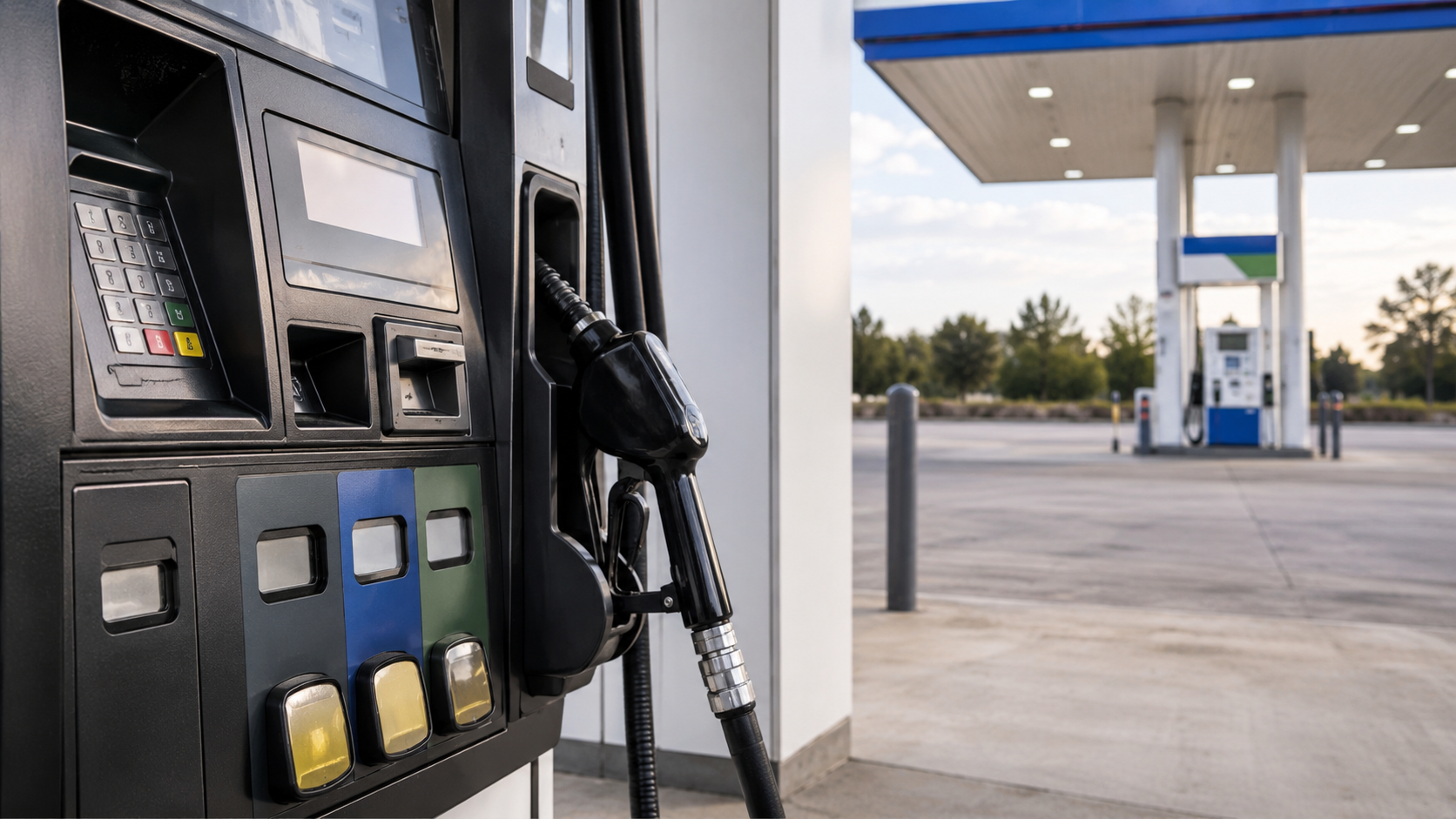
Cash vs Card : What Stations Actually Accept
One important thing visitors should know is that payment methods vary between stations.
Do Moroccan Fuel Stations Accept Credit Cards?
Yes, many modern stations in Rabat accept:
- Visa
- Mastercard
- Contactless payment
However, smaller stations may still prefer cash.
Why Cash Is Still Useful
Some rural or independent stations occasionally experience card terminal issues.
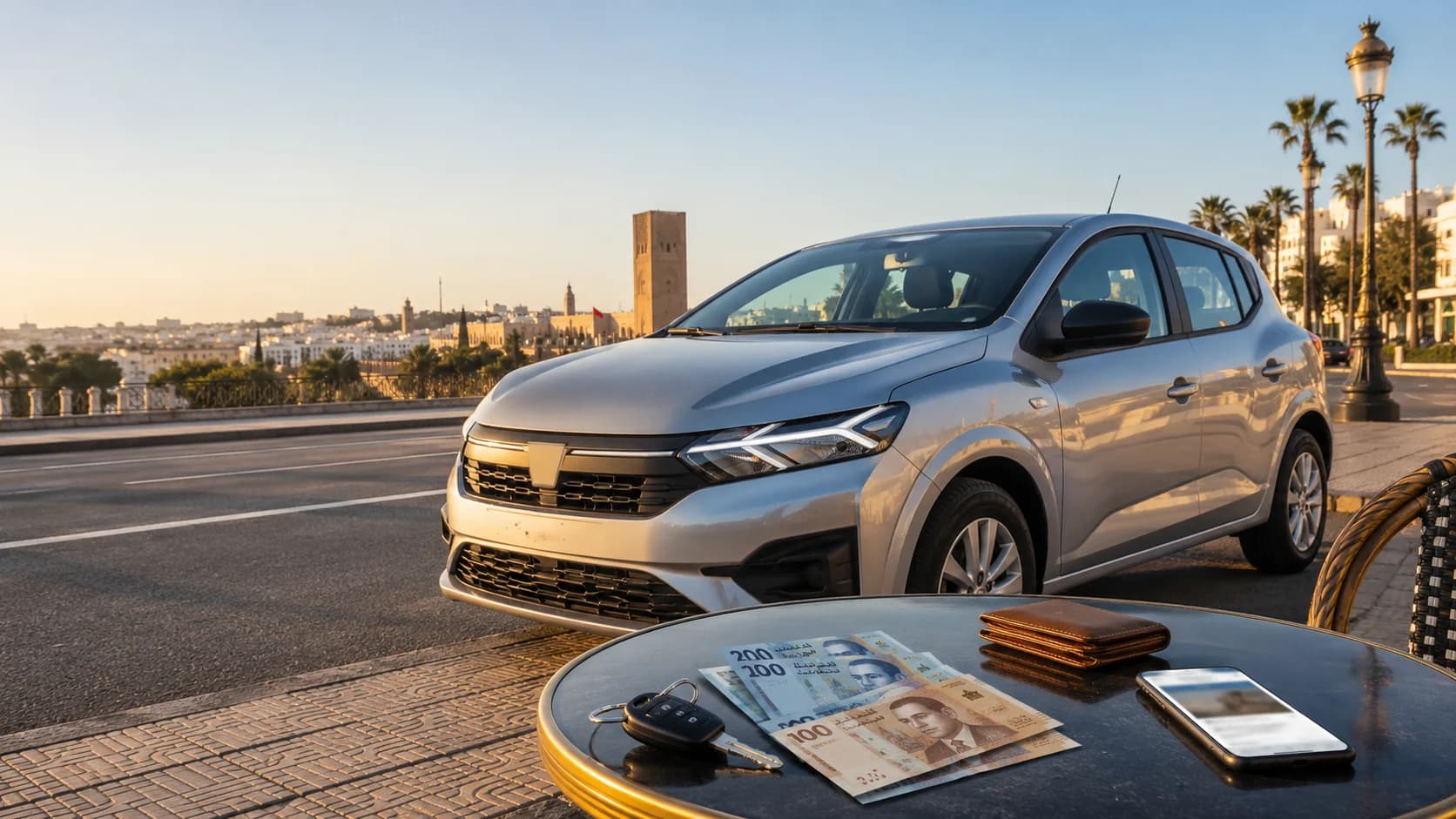
Keeping some Moroccan dirhams available is always recommended.
Can You Pay in Euros?
Generally, no.
Fuel stations expect payment in Moroccan dirhams (MAD).
Airport-area stations may occasionally accept euros informally, but exchange rates are rarely favorable.
Best Practice for Travelers
Carry:
- A credit card
- Small amounts of cash
- Enough dirhams for remote areas
This avoids problems during road trips.
Fuel Policy on Rental Cars
Understanding your rental company’s fuel policy is important before collecting your vehicle.
Full-to-Full Policy
The most common policy in Morocco is full-to-full.
This means:
- You receive the car with a full tank
- You return it full
This is usually the fairest option for travelers.
Full-to-Empty Policies
Some companies may charge fuel upfront and allow returns with less fuel.
However, this is less common among reputable providers.
Why Fuel Policies Matter
Returning a vehicle without enough fuel can result in:
- Refueling charges
- Service fees
- Higher fuel pricing
Always photograph the fuel gauge when collecting the car.
Travelers looking for transparent pricing often prefer providers offering no deposit car rental in Rabat alongside clear fuel policies.
Fuel-Saving Tips for Morocco Road Trips
Fuel costs in Morocco remain reasonable, but long-distance driving can still add up.
Avoid Aggressive Highway Driving
High speeds significantly increase fuel consumption, especially in SUVs.
Refuel Before Highways
City stations often offer slightly cheaper prices than motorway services.
Choose Diesel for Long Trips
Diesel vehicles usually perform better economically over long Moroccan distances.
Keep Cash for Smaller Stations
Rural stations may not always support cards reliably.
Plan Your Stops
Remote mountain or desert routes may have fewer fuel stations than coastal highways.
Never let your tank become too low before refueling.
FAQ
Do gas stations in Morocco accept credit cards?
Yes, many stations in Rabat and on major highways accept Visa and Mastercard, although carrying cash is still recommended.
Is petrol or diesel cheaper in Morocco?
Diesel (gasoil) is generally cheaper than petrol (sans plomb 95) in Morocco.
Do you tip the fuel attendant in Morocco?
Tipping is optional, but many drivers leave 1–2 MAD for good service.
Are there 24-hour gas stations in Rabat?
Yes, several major stations in Rabat operate 24 hours, especially near highways and major avenues.
Can I pay for fuel in euros?
Most stations require Moroccan dirhams. Euros are not commonly accepted.
What does “sans plomb” mean?
“Sans plomb” means unleaded petrol.
What does “gasoil” mean in Morocco?
“Gasoil” refers to diesel fuel.
Are motorway fuel stations more expensive?
Yes, highway stations are often slightly more expensive than city stations.
Is fuel quality good in Morocco?
Fuel quality is generally reliable at major chains such as Afriquia, Shell and TotalEnergies.
For more travel and rental information, travelers can also review these frequently asked questions.
Book With MarHire Car Rabat
Whether you are planning a short city stay or a long Moroccan road trip, understanding fuel prices and station culture helps make driving more comfortable and predictable.
MarHire Car Rabat offers modern vehicles, transparent fuel policies and local support designed specifically for travelers exploring Morocco independently.
With airport pickup options, flexible rental durations and reliable customer service, MarHire helps visitors drive Rabat and the rest of Morocco with confidence.
From compact petrol cars for city driving to fuel-efficient diesel SUVs for long-distance journeys, MarHire provides rental solutions adapted to every type of traveler.