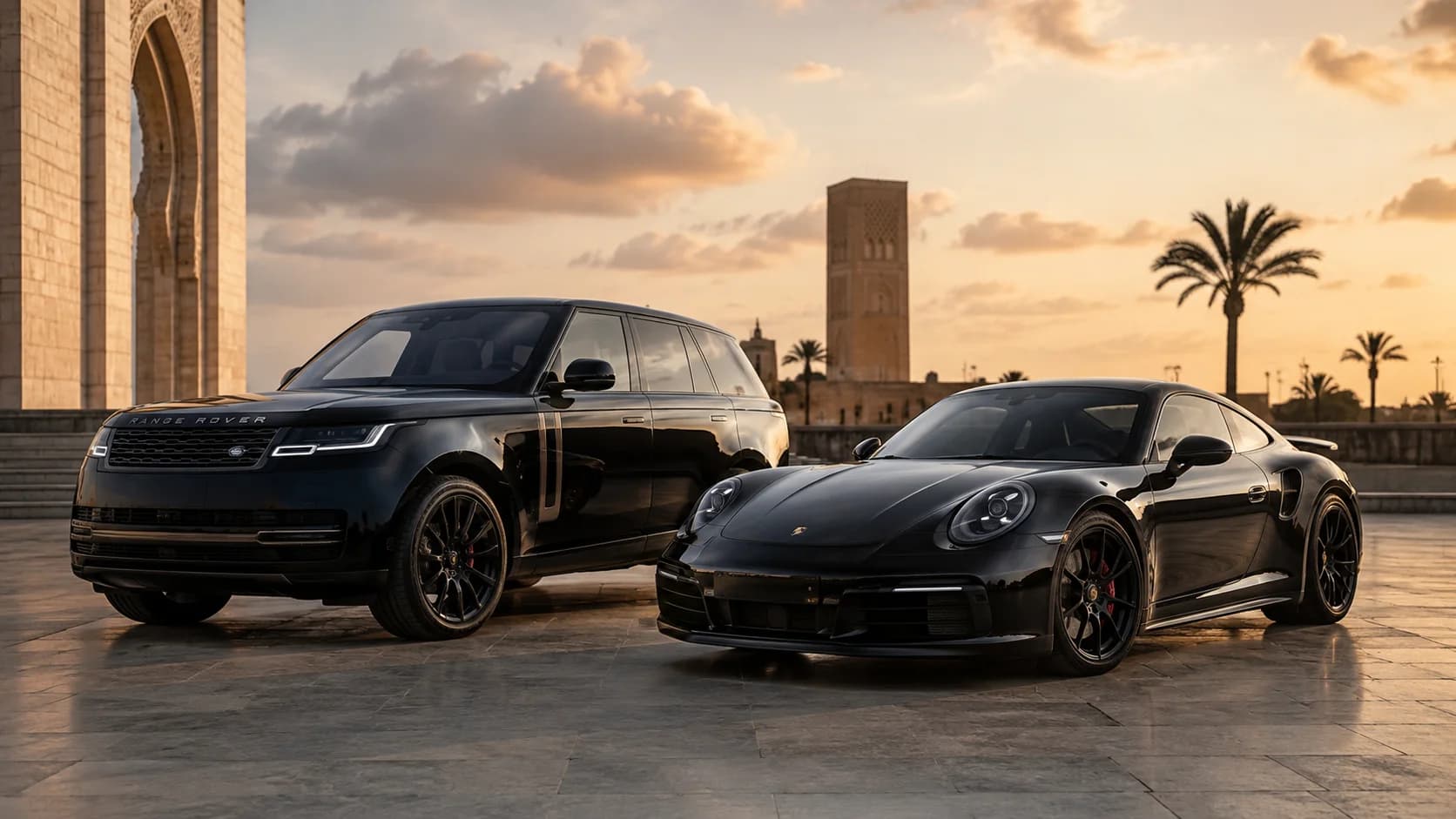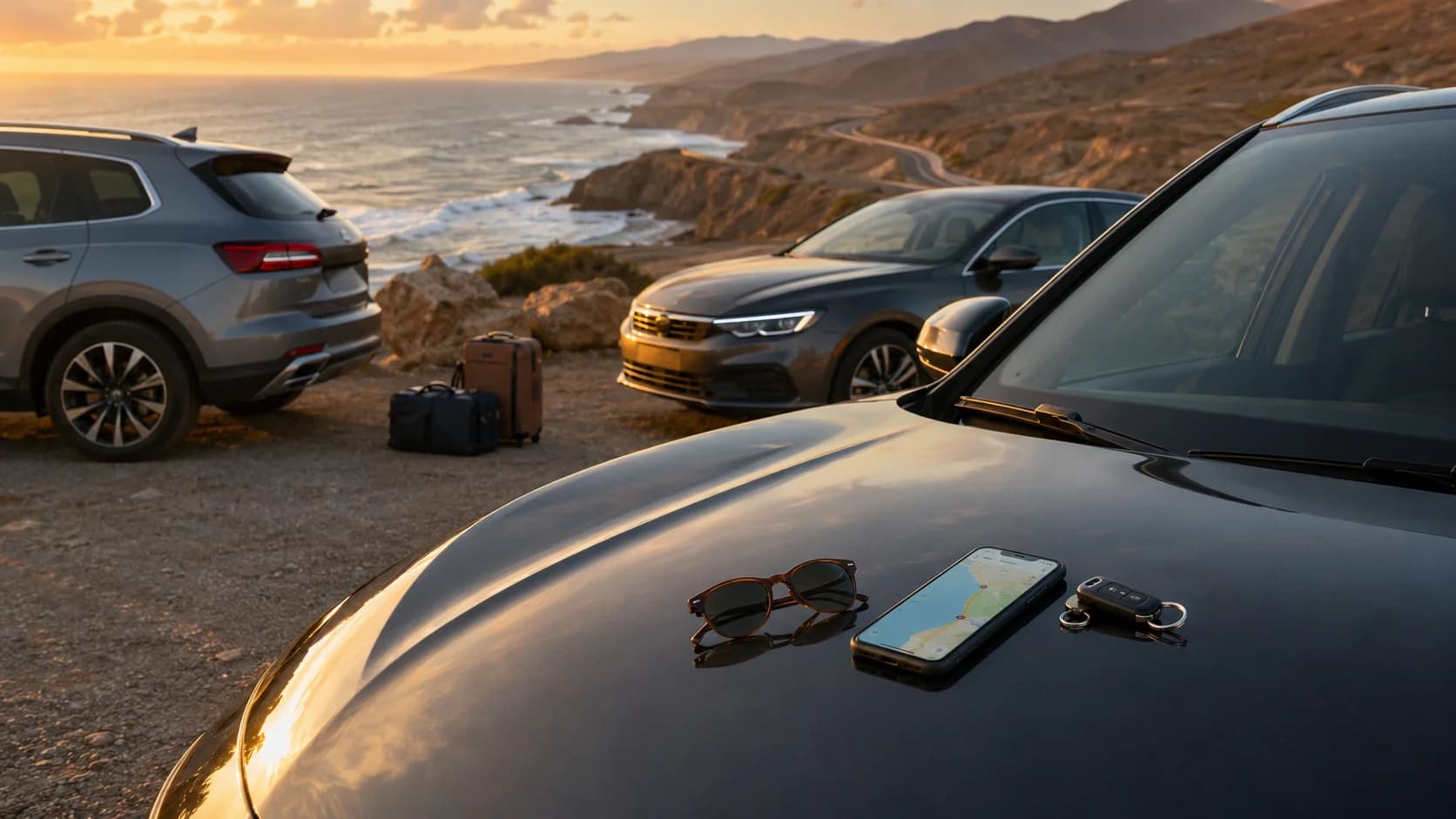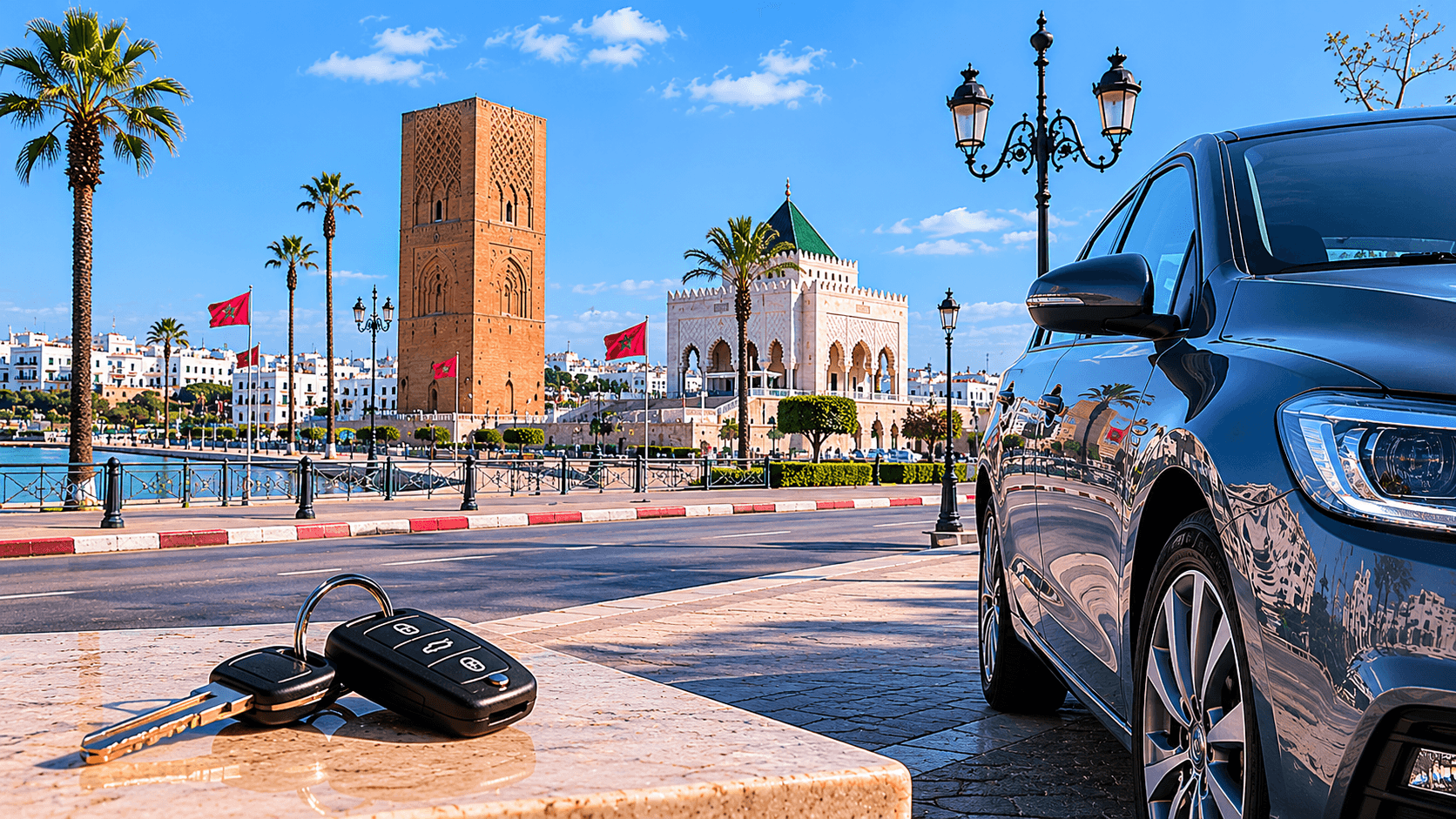








Driving from Rabat to Chefchaouen by car is one of the best ways to turn Morocco’s Blue City into a relaxed road trip instead of a rushed transfer. The route takes you from the capital toward Kenitra, across the inland north, then into the Rif Mountains before reaching Chefchaouen’s blue medina. Expect around 250 to 300 km depending on the exact route, with a practical driving time of about 4 hours before stops, parking and mountain traffic. With the right car, smart timing and a simple plan, this journey can be smooth, scenic and much more flexible than taking a bus.
Table of Contents
-
Why visit the Blue City by car
-
Distance, time and route options
-
North via Kenitra and Ouezzane
-
Into the Rif Mountains
-
Driving and parking in Chefchaouen
-
Best car for mountain roads
-
Day trip vs overnight
-
Tolls, fuel and timing
-
Chefchaouen route planner
-
FAQs about Rabat to Chefchaouen by car
Why visit the Blue City by car
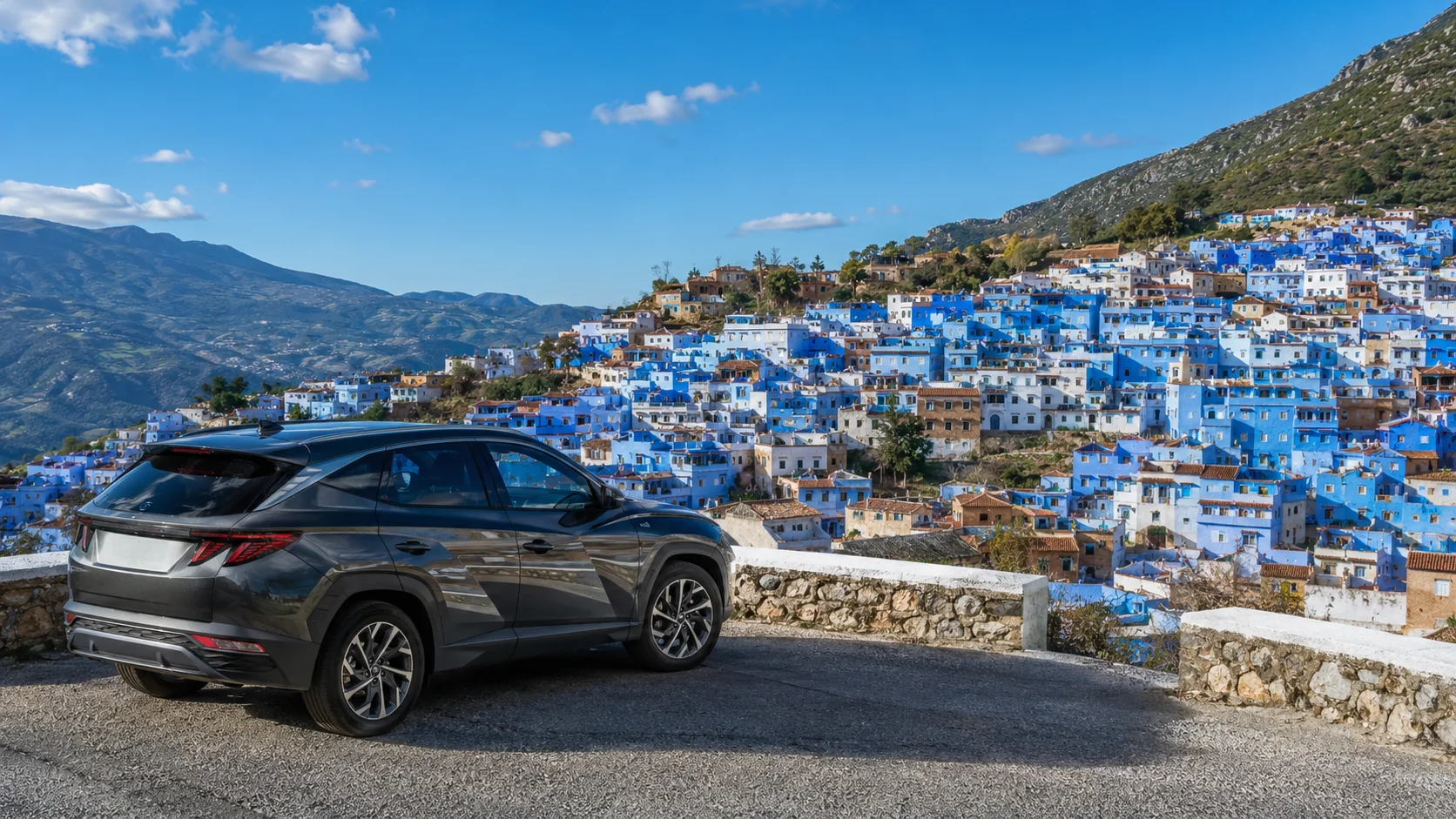
Chefchaouen is one of Morocco’s most memorable towns. The blue-painted lanes, mountain backdrop, small cafés, viewpoints and quiet medina atmosphere make it very different from Rabat, Casablanca or Marrakech. It feels slower, cooler and more tucked away, which is part of the reason travelers often remember it as a highlight of their Morocco route.
Going by car gives you control over the day. You can leave Rabat early, stop for coffee or photos, take the inland road at your own pace and arrive without depending on bus departure times. This matters because Chefchaouen is not directly connected by train, and public transport can be less flexible if you want to stop along the way or continue toward Tangier, Tetouan, Fes or the Mediterranean coast.
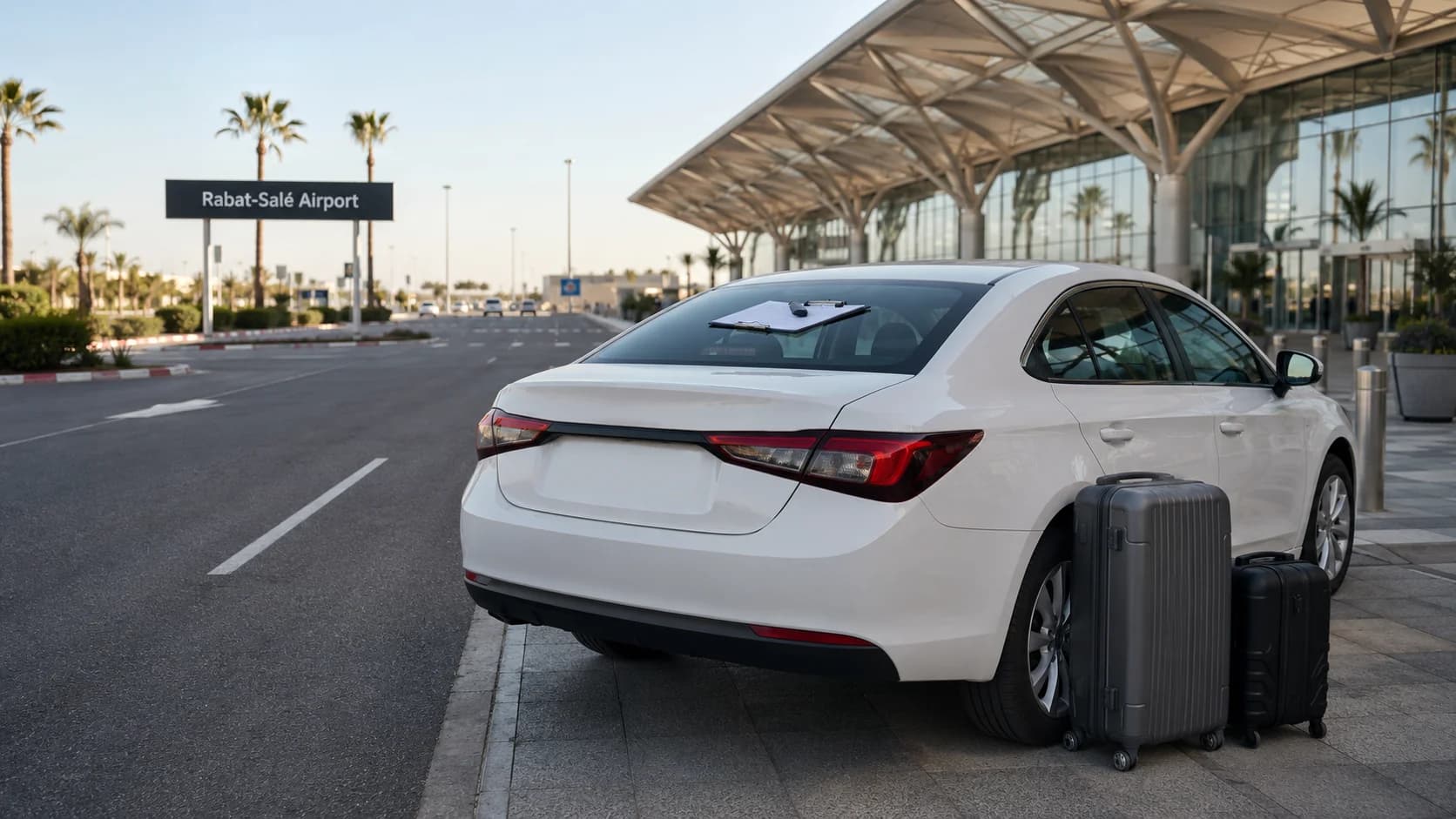
A car also helps with luggage and timing. Instead of carrying bags through bus stations, you can drive from your hotel, apartment or Rabat airport pickup point directly toward the north. For couples, families and small groups, the route is often more comfortable in a private rental car, especially if Chefchaouen is part of a larger Morocco itinerary.
Distance, time and route options
The Rabat to Chefchaouen distance is usually around 245 km by the most direct road route, but many travelers describe it as a 250 to 300 km driving day because route choices, detours, parking access and stops can add extra distance. In normal conditions, the drive takes about 4 hours without long breaks. In practice, plan closer to 4.5 or 5 hours if you want a calm pace.
The most common route goes north from Rabat toward Kenitra, then continues inland toward Ouezzane before climbing toward Chefchaouen. This route is popular because it balances motorway comfort at the beginning with scenic rural and mountain roads later in the journey.
A second option is to drive farther north toward the Larache or Tangier direction, then cut inland toward Chefchaouen. This can make sense if you are combining the Blue City with Asilah, Tangier, Tetouan or a northern coastal route, but it is usually less direct from central Rabat.
For most visitors, the inland Rabat, Kenitra, Ouezzane and Chefchaouen route is the simplest. It gives you an easy start, a clear northbound direction and a more scenic final approach into the Rif Mountains.
North via Kenitra and Ouezzane
The first part of the drive is the easiest. Leaving Rabat, you head north toward Kenitra on a faster road section. This is where you can settle into the trip, check fuel, adjust navigation and get out of the city rhythm before the roads become more rural.
Kenitra is a useful reference point, even if you do not stop there. After this stage, the route becomes more local and the scenery starts to change. You pass through agricultural areas, smaller towns and inland landscapes that feel very different from Rabat’s wide boulevards and Atlantic-side urban setting.
Ouezzane is the key inland point before the mountain approach. It works well as a break stop if you need coffee, water, fuel or a simple rest before the final stretch. From here, the drive begins to feel more like a northern Morocco road trip than a city transfer.
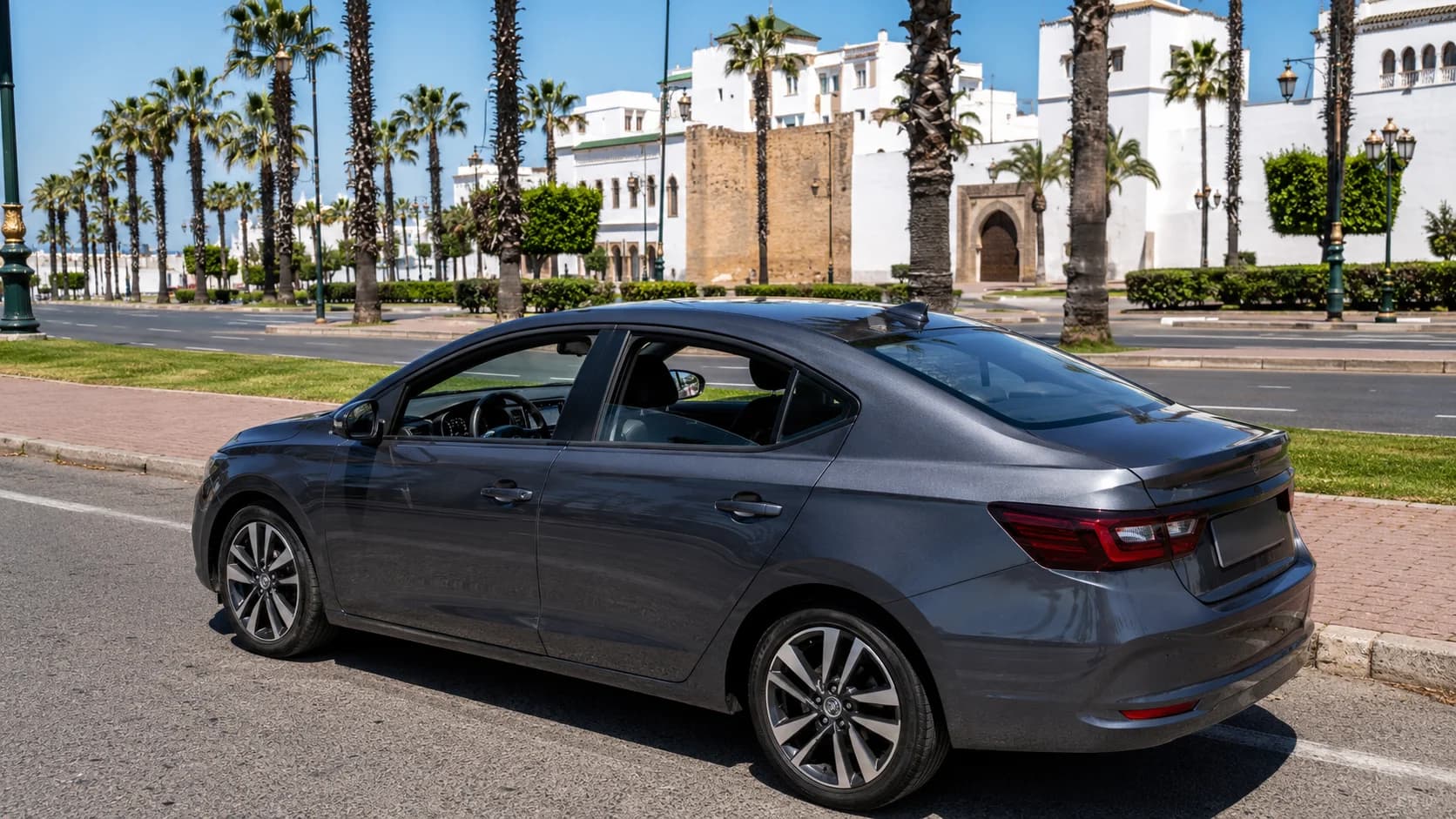
This middle part of the route is also where a comfortable car starts to matter. A small city car can do the drive, but a stable sedan or SUV makes the longer road sections easier. If you want a smoother drive from Rabat, a sedan rental Rabat option is a good match for couples or two travelers with luggage.
Into the Rif Mountains
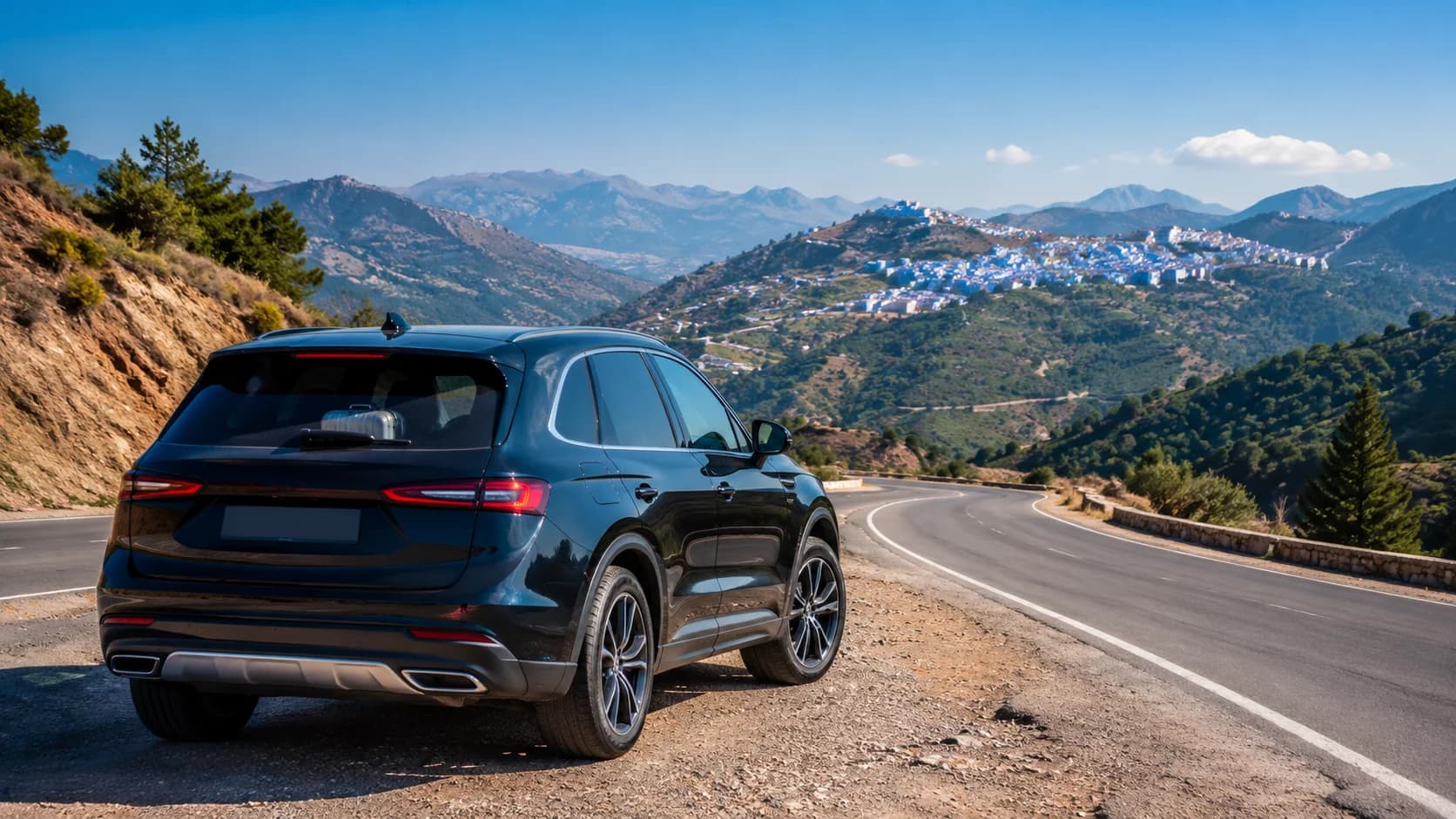
The final approach to Chefchaouen is the part most travelers remember. The road starts to bend more, the hills become steeper and the views open toward the Rif Mountains. This is not usually an extreme mountain drive, but it does require more attention than a motorway.
Expect curves, elevation changes, slower vehicles and occasional narrow sections. The best approach is simple: drive during daylight, avoid rushing, keep extra distance and give yourself time for the last hour. The route is much more enjoyable when you are not racing sunset or trying to complete the drive after a full day of sightseeing.
The mountain section is also why many travelers prefer an SUV. You do not need a large 4x4 just to reach Chefchaouen in normal weather, but extra ride height and a more stable feel can make the drive more reassuring. This is especially true if you are traveling with family, carrying luggage or visiting in rainy months when road surfaces can feel less predictable.
For travelers who want comfort on the bends and more confidence on the final approach, SUV rental Rabat is the strongest category for this route.
Driving and parking in Chefchaouen
The most important thing to know is that Chefchaouen is not a city where you drive deep into the old medina. The blue streets are narrow, steep and pedestrian-focused. The smart move is to leave the car at an accessible parking area near the edge of the old town, then walk into the medina.
Many hotels and riads in Chefchaouen can advise the nearest practical parking point. If your accommodation is inside or near the old medina, ask before arrival where to leave the car. Do not wait until you are already in the tight streets to figure it out, because turning around can be stressful.
Arriving earlier in the day usually makes parking easier. Late afternoon can be busier because day visitors, overnight guests and local traffic all overlap. If you arrive before lunch or early afternoon, you have more time to park calmly, check in and explore without pressure.
Once parked, Chefchaouen is best explored on foot. Wear comfortable shoes, because the medina has steps, slopes and uneven lanes. The car is useful for reaching the town, but the Blue City experience begins when you leave it behind and walk.
Best car for mountain roads
The best car for Rabat to Chefchaouen by car depends on your travel style. A sedan is comfortable and efficient for two to four travelers who mainly want a smooth road trip. It works well if you are staying one night, carrying normal luggage and driving in good weather.
An SUV is better if you want more confidence on the Rif mountain roads. The higher seating position helps visibility on bends, and the extra space is useful for families, bags and longer Morocco routes. It is also a good choice if Chefchaouen is part of a bigger northern circuit including Tetouan, Tangier, Akchour or rural stops.
A 4x4 is not required for the standard Rabat to Chefchaouen road in normal conditions, but it can be worth choosing if you want a stronger vehicle for mountain detours, mixed roads, winter rain or a longer adventure route. For travelers who like extra stability and flexibility, 4x4 rental Rabat is a reassuring option.
For budget-focused travelers, a compact car can work if you pack light and drive carefully. But for this specific route, the best balance is usually a sedan for comfort or an SUV for confidence.
Day trip vs overnight
You can technically visit Chefchaouen as a day trip from Rabat, but it is not the best way to enjoy it. With around 4 hours each way, the journey becomes a very long driving day. Even with an early start, you may only have a few hours in the Blue City before needing to return.
An overnight stay is much better. It lets you arrive, park, walk the medina, enjoy sunset views and explore again the next morning before the busiest hours. Chefchaouen is especially beautiful in the early morning when the lanes are quieter and the blue walls catch soft light.
Staying overnight also reduces driving fatigue. Instead of doing a long round trip in one day, you split the journey and make the route part of the experience. This is safer, calmer and more enjoyable, especially if you are not used to mountain roads.
If your Morocco itinerary allows it, the ideal plan is one night in Chefchaouen, then continue to Tangier, Tetouan, Fes or return to Rabat the next day. This turns the Blue City from a photo stop into a proper northern Morocco experience.
Tolls, fuel and timing
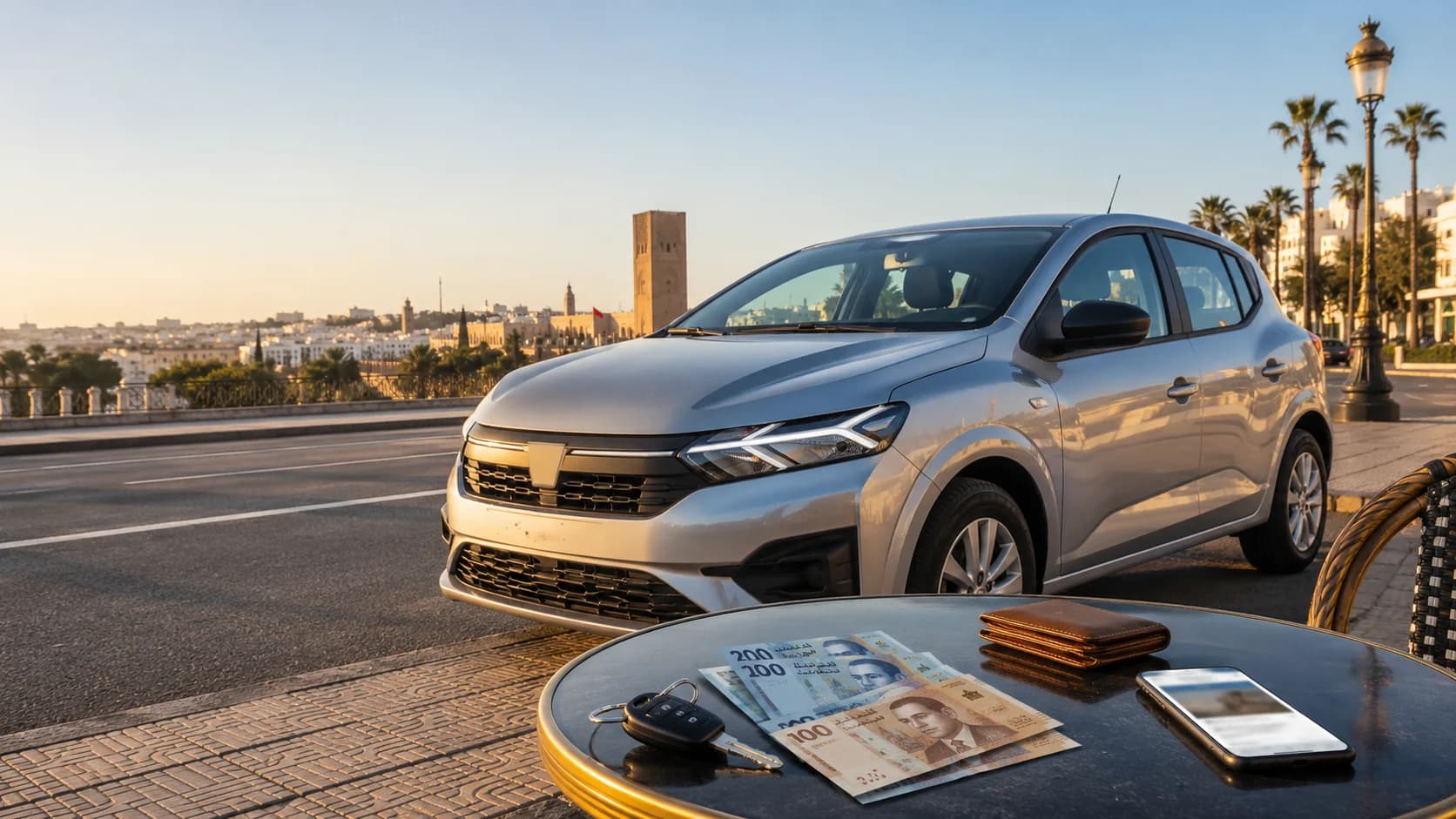
The first part of the route from Rabat toward Kenitra may include motorway tolls depending on the exact road you choose. Keep small cash in Moroccan dirhams for toll booths, parking and small stops, even if you also use card payments elsewhere.
Fuel planning is simple: leave Rabat with a comfortable tank, then top up before the mountain section if needed. Kenitra or the inland towns before Ouezzane are practical points to check fuel. Do not leave refueling until the final climb if your tank is low.
The best departure time is early morning. Leaving Rabat around 7:00 to 8:00 gives you time to clear city traffic, stop along the way and arrive in Chefchaouen before the late afternoon parking rush. It also keeps the mountain section in daylight.
Avoid starting late unless you are comfortable with night driving on bends. The road is manageable, but the final approach is much nicer and easier in daylight. For visitors, daylight driving also gives the best views of the Rif landscape.
Chefchaouen route planner
Use this simple route planner to organize the drive:
| Stage | Route idea | What to expect | Driver tip |
|---|---|---|---|
| Rabat departure | Leave the city toward Kenitra | Urban exits and faster road sections | Start early and check navigation before leaving |
| Kenitra area | Continue north and inland | Easier roads, fuel and rest options | Use this stage to settle into the drive |
| Ouezzane area | Main inland break point | Smaller towns and rural scenery | Stop for coffee, water or fuel if needed |
| Rif approach | Final road toward Chefchaouen | Curves, hills and mountain views | Slow down and keep the drive in daylight |
| Chefchaouen arrival | Park near the old town edge | Narrow streets and pedestrian areas | Leave the car outside the medina and walk |
This route works best when you do not overload the day. Add buffer time for photos, food, parking and slower traffic near the mountains. The journey is not just about reaching Chefchaouen; the changing landscape is part of the appeal.
Morocco's most photogenic town
Chefchaouen is often called Morocco’s Blue City because of its blue-washed buildings, lanes, steps and doors. For photographers, it is one of the easiest places in Morocco to enjoy without needing a strict plan. Almost every corner has a visual detail, from painted walls to mountain views above the rooftops.
But Chefchaouen is not only about photos. The town has a slower rhythm, traditional shops, local cafés and a cooler mountain setting. It works well after Rabat because the contrast is strong. Rabat feels polished, coastal and administrative, while Chefchaouen feels compact, artistic and mountain-based.
That contrast is exactly why the drive is worth it. In one travel day, you move from Morocco’s capital to one of its most atmospheric small towns.
Make the Blue City drive relaxed
Make the Blue City run relaxed and stable with the right vehicle from MarHire Car Rabat. Choose a comfortable SUV, sedan or 4x4 with unlimited kilometres on most rentals, full insurance options, WhatsApp support and flexible pickup in Rabat. For the Rif’s winding roads, extra comfort and stable handling can make the journey much easier.
FAQs about Rabat to Chefchaouen by car
How far is Chefchaouen from Rabat by car?
Chefchaouen is about 245 km from Rabat by the most direct road route, but many travelers should plan for around 250 to 300 km depending on the exact route, detours, parking and stops.
How long does it take to drive to Chefchaouen?
The drive usually takes about 4 hours without long stops. A more realistic travel plan is 4.5 to 5 hours if you include fuel, coffee, photos and parking.
What's the best route from Rabat to Chefchaouen?
The best route for most travelers is Rabat to Kenitra, then inland toward Ouezzane, before continuing into the Rif Mountains toward Chefchaouen.
Can you do Chefchaouen as a day trip from Rabat?
Yes, but it is a very long day because you need to drive around 4 hours each way. An overnight stay is much better if you want to enjoy the medina without rushing.
Is the drive to Chefchaouen difficult?
The route is manageable for confident drivers, but the final mountain section has bends, slopes and slower traffic. Drive in daylight and avoid rushing the Rif section.
Do I need an SUV for Chefchaouen?
You do not strictly need an SUV in normal weather, but an SUV is more reassuring for the mountain approach, especially with family, luggage or wet road conditions.
Where do you park in Chefchaouen?
Park near the edge of the old town and walk into the medina. The blue medina streets are narrow and not ideal for rental cars. Ask your hotel or riad for the nearest suitable parking point before arrival.
What are the best stops on the way?
Kenitra is useful for an early break, while Ouezzane is a good inland stop before the mountain section. You can also stop at viewpoints as the road gets closer to Chefchaouen.
Is it better to stay overnight in Chefchaouen?
Yes. Staying overnight gives you more time to enjoy the blue streets, sunset, dinner and quiet morning light. It also avoids a tiring same-day return to Rabat.
Are the Rif mountain roads safe?
The main road to Chefchaouen is generally suitable for normal travel, but it needs careful driving. Keep your speed controlled, stay alert on bends and avoid the final approach at night if you are unfamiliar with mountain roads.