








Rabat is one of Morocco’s easiest big cities to drive in, but that does not mean traffic never gets heavy. The capital is calmer than Casablanca and usually more organized than Marrakech, yet certain corridors can slow down quickly during office hours, school runs, airport transfers, and evening returns from Salé. If you are renting a car, planning a private transfer, or leaving the city for a day trip, understanding Rabat rush hour can save time, fuel, and stress.
The main Rabat traffic times are usually in the morning between 07:00 and 09:00, then again in the late afternoon between 16:00 and 18:00. Traffic can also build around schools, tram crossings, bridges, and main roads near Agdal, Avenue Mohammed V, Hay Riad, Souissi, and the routes linking Rabat with Salé. For visitors, the best strategy is simple: avoid the peak windows when possible, add a buffer for airport transfers, and use live navigation before every important drive.
Table of Contents
-
How Rabat traffic flows
-
Morning rush-hour windows
-
Evening rush-hour windows
-
The busiest corridors
-
Best quiet times to drive
-
Timing your airport transfer
-
Planning day trips around traffic
-
Apps and tools that help
-
FAQs about Rabat rush hour
How Rabat Traffic Flows
Rabat is a capital city, so its traffic rhythm follows government offices, schools, embassies, business districts, and commuters moving between Rabat, Salé, Témara, and nearby suburbs. During most of the day, driving is manageable if you stay patient and choose the right route. Roads are generally wider than in older medina-heavy cities, and many central areas are easier to understand after one or two drives.
The difficult part is not constant congestion. It is timing. A drive that feels easy at 10:30 can become slow at 08:15. A simple crossing toward Salé can take longer if it matches office departures. A short hotel-to-airport journey can become stressful if you leave with no buffer before a flight.
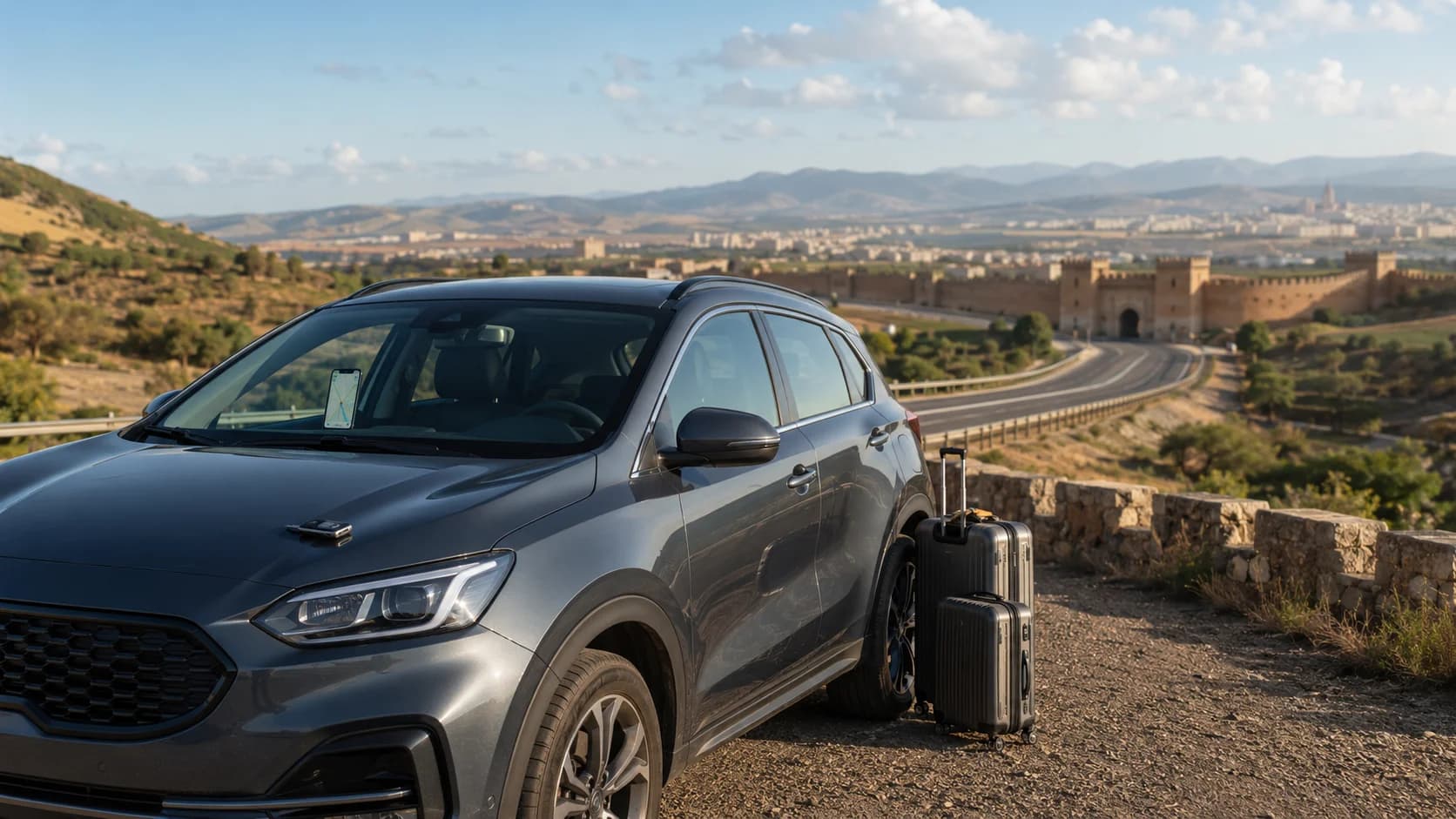
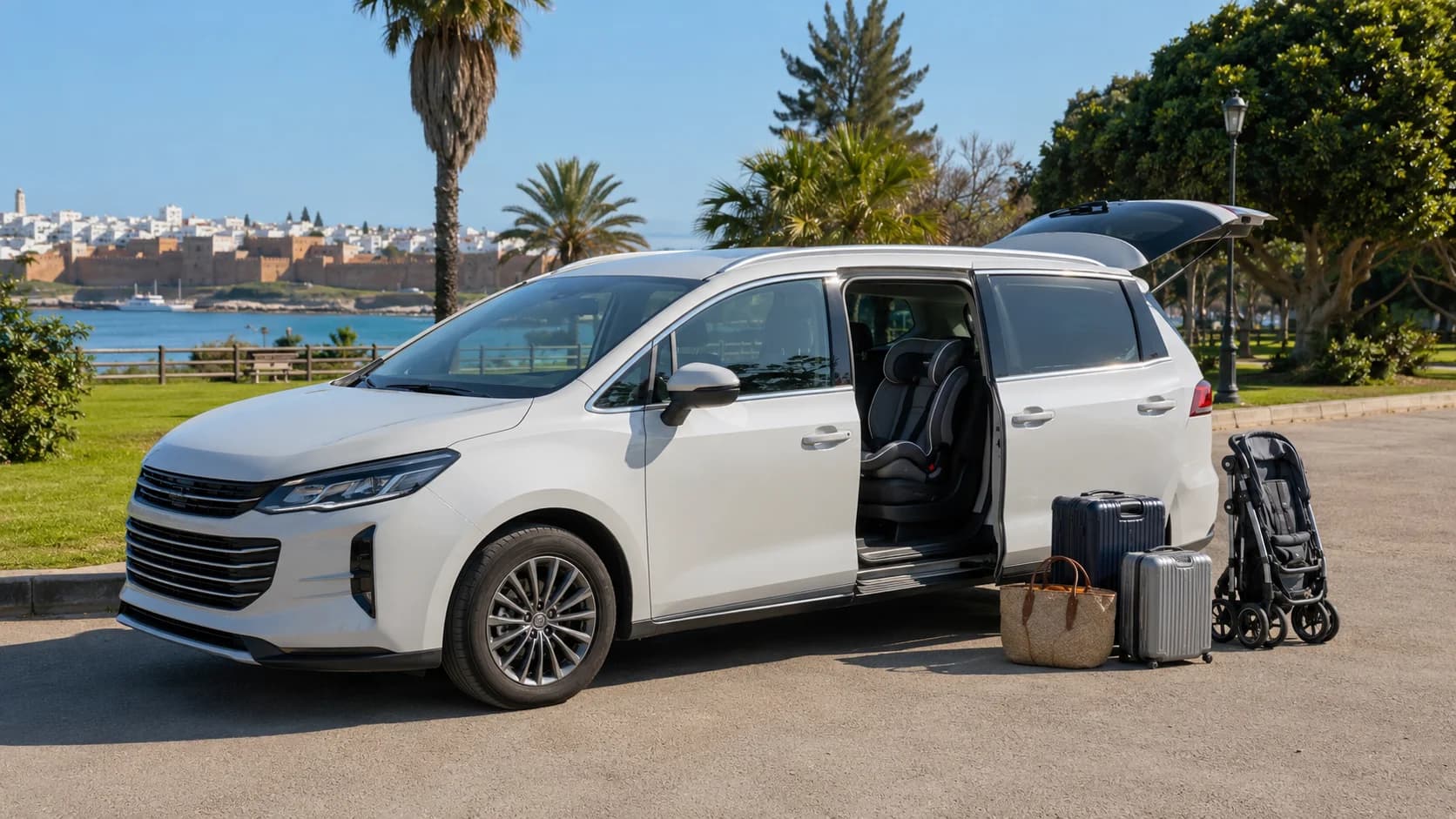
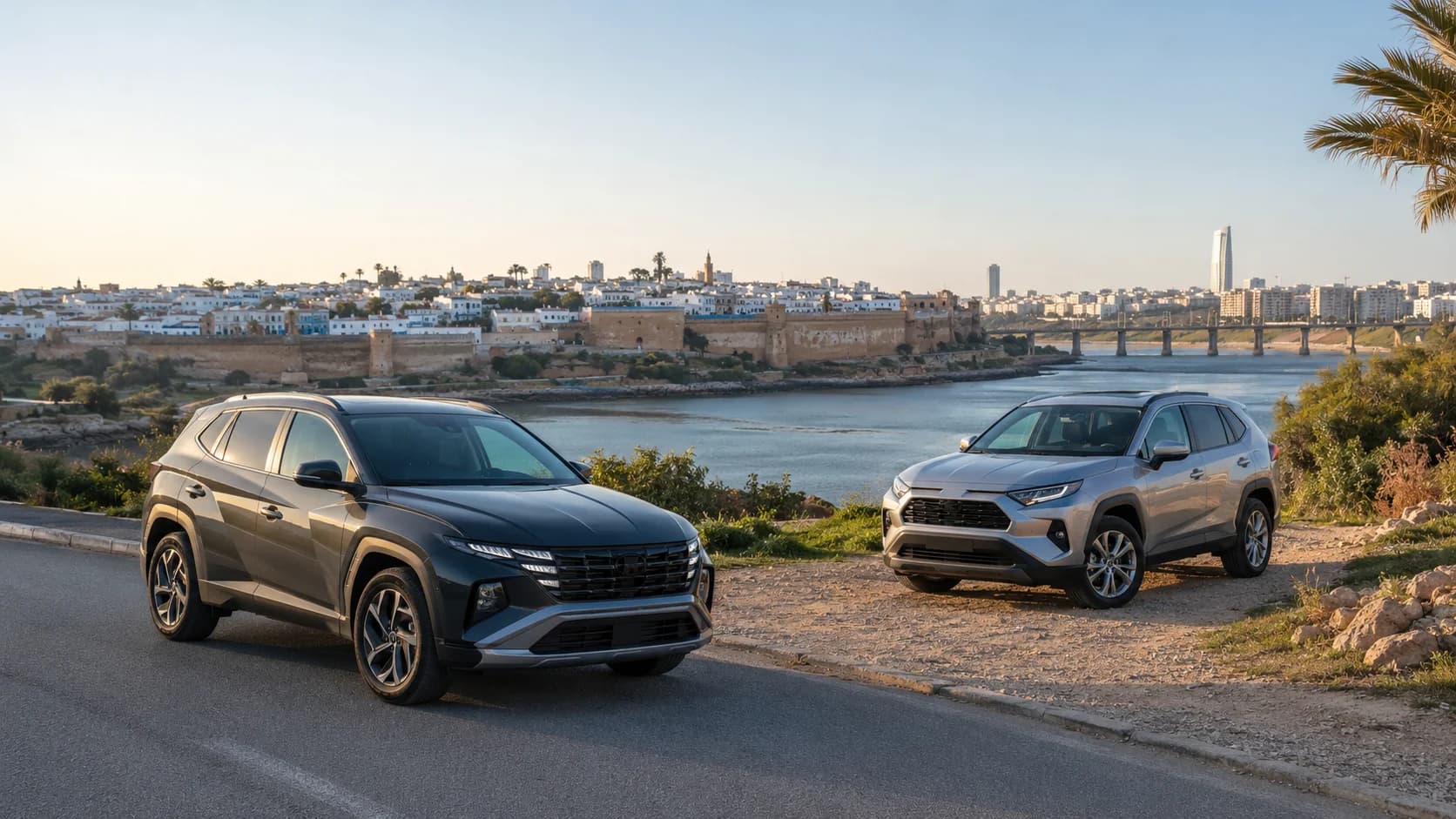
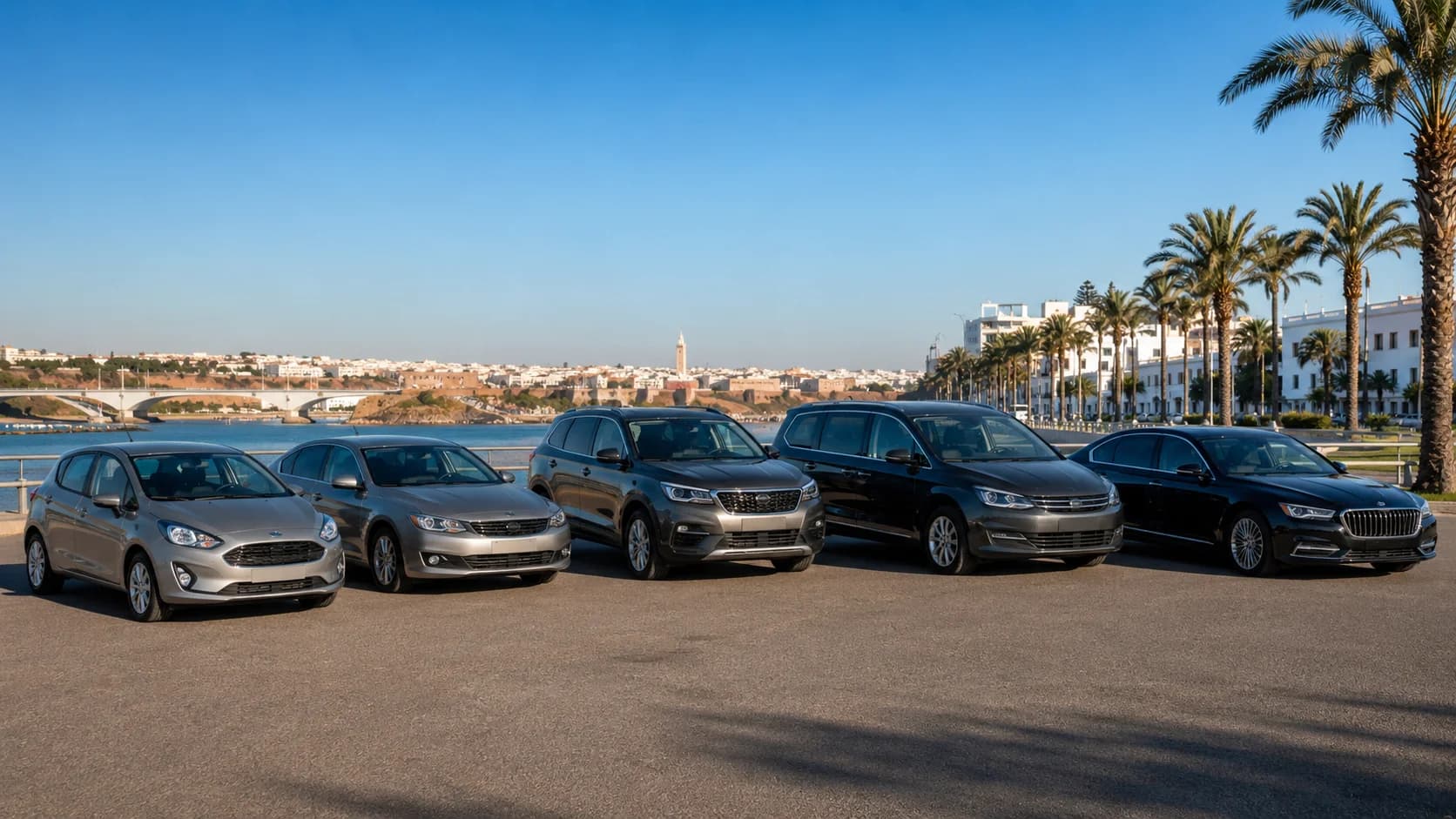
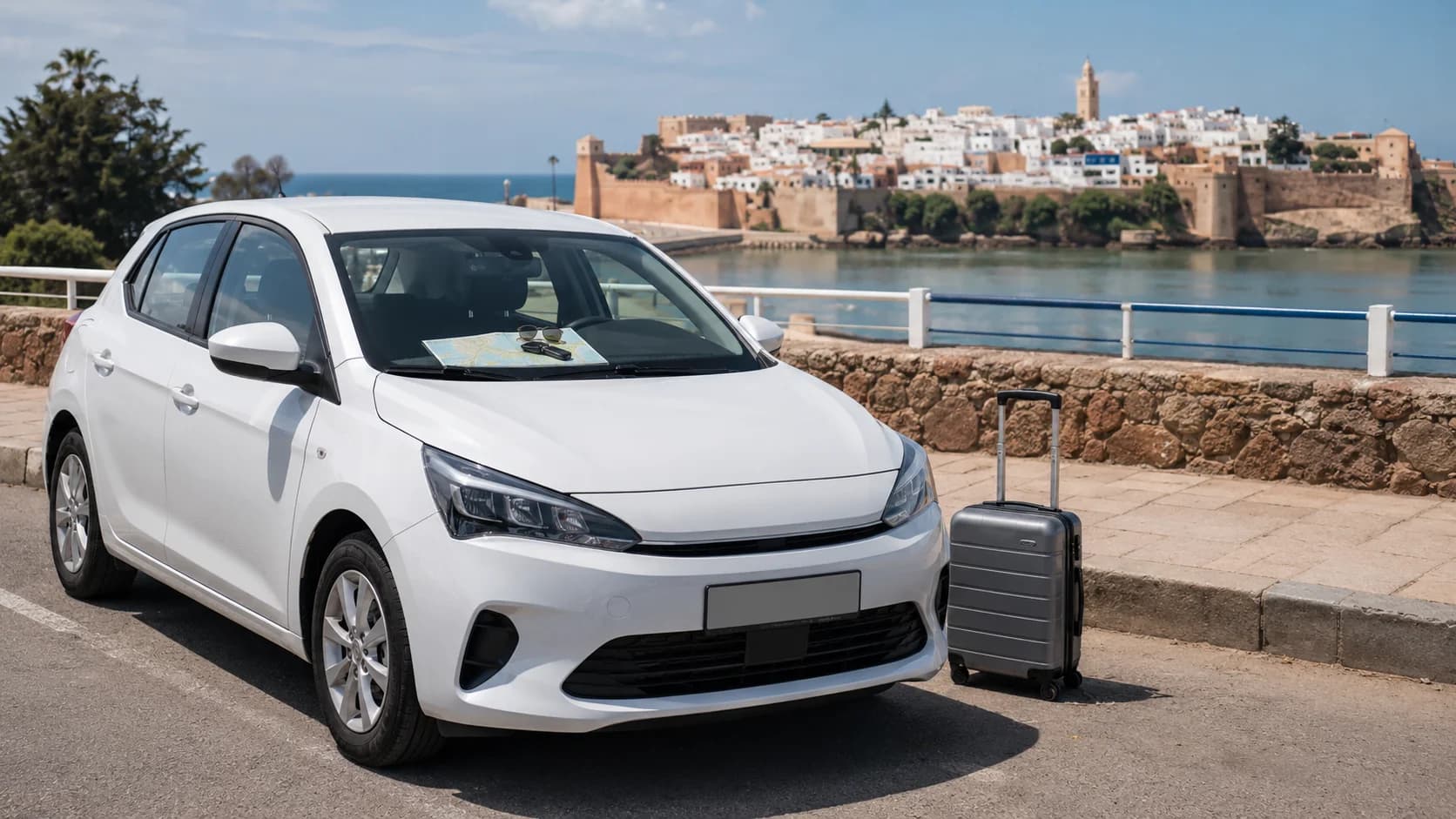
For city driving, a comfortable sedan is often enough. If you want easier parking and better fuel economy, a compact or cheap car can be practical for everyday use. Travelers planning coastal drives, forest routes, or longer road trips may prefer an SUV. You can compare options through sedan rental Rabat, cheap car rental Rabat, or SUV rental Rabat.
Morning Rush-Hour Windows
The main morning Rabat rush hour usually starts around 07:00 and can last until about 09:00. This is when workers, students, school buses, taxis, and commuters all move at the same time. The pressure is strongest on roads leading toward business districts, schools, government offices, and central areas.
If you need to cross the city in the morning, try to leave before 06:45 or wait until after 09:15. The difference can be big, especially if your route passes through Agdal, Avenue Hassan II, Avenue Mohammed V, Hay Riad, or the Rabat-Salé bridge areas.
For rental car pickup, the morning peak also matters. If your car is being delivered to a hotel, airport, train station, or apartment, choose a time that gives the delivery team enough space to reach you without fighting the full rush. A pickup at 10:00 or 10:30 is usually smoother than 08:00 unless you have a fixed schedule.
Evening Rush-Hour Windows
The evening peak in Rabat usually appears between 16:00 and 18:00. This is when offices close, schools finish, and many drivers return toward residential areas. Traffic can also stay busy later if there is rain, roadwork, an event, or a Friday evening flow toward family visits and weekend plans.
The school run is one of the most important details for visitors to understand. Even if a road is not famous for traffic, it can slow down near schools during pickup times. Cars stopping briefly, parents looking for spaces, and taxis waiting outside gates can reduce movement fast.
If you are planning a relaxed city drive, avoid starting between 16:30 and 17:45. For errands, hotel moves, or restaurant transfers, mid-afternoon is usually easier. For day-trip returns, try to enter Rabat before 16:00 or after 19:00 when possible.
The Busiest Corridors
Some areas of Rabat are more likely to slow down than others. Avenue Mohammed V can become busy because it connects central points and attracts both local and visitor traffic. Agdal traffic can also be heavy during office hours, shopping periods, school times, and restaurant evenings.
The bridge and access routes between Rabat and Salé are important because many people live on one side and work or study on the other. Any delay near the crossing can affect the surrounding streets. Airport traffic can also join this flow because Rabat-Salé Airport is across the river from central Rabat.
Hay Riad and Souissi can become busy around business appointments, embassies, private schools, and office returns. These areas are usually less chaotic than dense city centers, but traffic lights and roundabouts can still slow movement during peak times.
When driving in these zones, keep your route simple. Avoid last-second lane changes, watch taxis and scooters carefully, and do not rely only on distance. In Rabat, a short route during peak time can take longer than a slightly longer route at a quieter hour.
Best Quiet Times to Drive
The best time to drive in Rabat is usually mid-morning, after the office and school rush has passed. A window between 09:30 and 11:30 often works well for airport pickups, car delivery, errands, and first-time city driving.
Early afternoon can also be calm, especially from around 13:30 to 15:30, before the school and office return flow begins. Late evening after 19:30 is another easier window, especially if you only need to cross the city, reach a hotel, or return from dinner.
Sunday is usually one of the calmest days to drive in Rabat. Many offices are closed, school traffic disappears, and the pace feels easier. However, coastal roads, malls, gardens, and family areas can still get busier during good weather, public holidays, and school vacations.
The quietest plan for visitors is to handle important drives outside peak time. Pick up the car after breakfast, leave for day trips before the morning rush builds, and return either before the late-afternoon peak or after it has settled.
Timing Your Airport Transfer
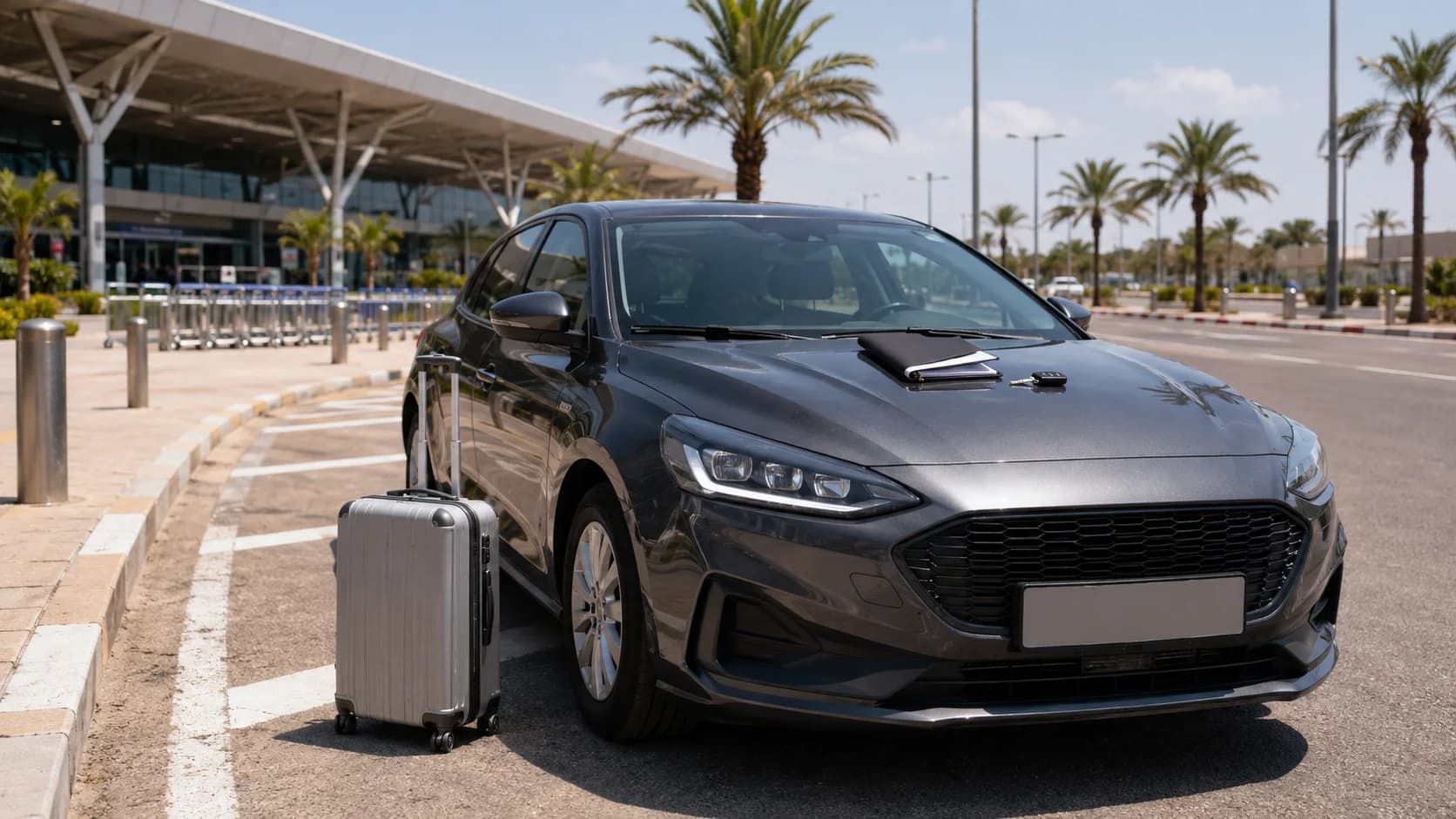
Rabat-Salé Airport is close enough to the city that transfers can feel easy, but you should still plan with a buffer. ALSA lists its Rabat-Salé Airport shuttle between the airport and Rabat Agdal Train Station at approximately 45 to 50 minutes, which is a useful reference point for travelers comparing airport timing options.
If you are driving yourself or using a rental car, leave earlier than the basic map estimate suggests. For domestic flights, add at least 30 extra minutes to your driving estimate. For international flights, be more conservative, especially during morning or evening rush hour.
From central Rabat, a calm airport run can be straightforward. During peak windows, the same transfer may slow around bridges, roundabouts, Salé access roads, or airport approach traffic. If your flight is early morning, leaving before 07:00 is usually easier. If your flight is late afternoon, avoid planning the transfer right at 16:30 or 17:00 unless you have enough margin.
For Casablanca Mohammed V Airport, the buffer must be bigger. The drive from Rabat to CMN uses intercity roads and can be affected by Rabat exit traffic, motorway flow, toll stops, and Casablanca-side congestion. If your flight departs from CMN, treat it as an intercity transfer, not a simple airport run.
Planning Day Trips Around Traffic
Rabat is a good base for road trips because you can reach coastal towns, Casablanca, Kenitra, Meknes, and other destinations without dealing with the same level of traffic found in Morocco’s largest business city. The key is departure timing.
For Casablanca, leave Rabat early, ideally before the full morning rush. If you depart around 07:30 or 08:00, you may face city-exit traffic before you even reach the motorway. A better plan is to leave before 06:45 for business appointments or after 09:30 for a relaxed day.
For Meknes or Fes, early departures are also smart. They help you avoid city traffic and give you more daylight on the road. If you are planning a long day trip, do not wait until late morning unless your schedule is flexible.
For coastal drives toward Skhirat, Bouznika, or Mohammedia, weekend timing matters. A sunny Sunday can create leisure traffic, especially on routes heading toward beaches and family lunch spots. Leaving early and returning before sunset traffic is usually more comfortable.
For day trips, the best rule is simple: leave Rabat before rush hour starts, or wait until it ends. Returning is the same. Either come back before 16:00 or make the return after 19:00 if the itinerary allows.
Apps and Tools That Help
Navigation apps work well in Rabat, but they are most useful when checked before departure, not after you are already stuck. Open your route 10 to 15 minutes before leaving, compare alternatives, and watch for sudden red sections around bridges, central avenues, and motorway exits.
For intercity drives, Morocco’s motorway operator ADM provides real-time traffic information and motorway travel tools, which can help when planning routes from Rabat toward Casablanca, Tangier, Fes, or other cities.
Use live navigation for three things: estimated travel time, road closures, and route comparison. Do not blindly follow small shortcuts through dense neighborhoods if you are not comfortable driving locally. A slightly longer main-road route can be less stressful than a narrow shortcut with parked cars, pedestrians, scooters, and confusing turns.
Also keep your phone mounted safely, set the route before moving, and avoid handling the phone while driving. If you are traveling with someone, let the passenger manage navigation updates.
Final Driving Advice for Rabat
Rabat traffic is not impossible. In fact, many visitors find it more comfortable than driving in Casablanca or Marrakech. The challenge is knowing when the city moves. Morning and evening peaks can slow your plans, while mid-morning, early afternoon, late evening, and Sundays often feel much easier.
For the smoothest experience, match the car to your plan. Choose a sedan for comfortable city driving, a cheap compact rental for easy parking and fuel savings, or an SUV if your trip includes luggage, family travel, coastal roads, or longer day trips. Plan your drives around the jams, leave extra time for airport transfers, and let MarHire Car Rabat help with flexible delivery, unlimited kilometres, and practical local support.
FAQs About Rabat Rush Hour
When is rush hour in Rabat?
Rabat rush hour is usually between 07:00 and 09:00 in the morning, then again between 16:00 and 18:00 in the evening. These windows can change slightly depending on schools, weather, events, and holidays.
What time is traffic worst in Rabat?
Traffic is often worst around 08:00 in the morning and around 17:00 in the evening. Routes near Agdal, Avenue Mohammed V, Hay Riad, central Rabat, and the bridge toward Salé can slow down during these times.
Is it hard to drive in Rabat during the day?
Driving in Rabat during the day is usually manageable. It becomes harder during school runs, office commute times, and busy central periods. Outside peak hours, Rabat is generally calmer than Casablanca.
What is the best time to leave Rabat for a road trip?
The best time to leave Rabat for a road trip is before 07:00 or after 09:30. For relaxed travel, mid-morning works well. For long drives to Casablanca, Meknes, Fes, or the coast, an early start is usually best.
How early should I leave for the airport from Rabat?
For Rabat-Salé Airport, add at least 30 extra minutes to your basic driving estimate. For Casablanca Mohammed V Airport, allow a much larger buffer because the journey includes motorway travel and possible congestion near Casablanca.
Is Rabat traffic bad on weekends?
Weekend traffic is usually lighter than weekday traffic, especially on Sunday mornings. However, coastal roads, shopping areas, gardens, and family destinations can become busier in the afternoon or during good weather.
Which areas of Rabat have the worst traffic?
Agdal, Avenue Mohammed V, central Rabat, Hay Riad, Souissi, and the routes connecting Rabat with Salé are among the areas where traffic can build during peak times.
Does traffic affect the drive to Casablanca?
Yes. Traffic can affect the Rabat exit, motorway flow, toll areas, and Casablanca arrival. If you are driving to Casablanca for a meeting or flight, leave early and check live traffic before departure.
Are there quiet times to drive in Rabat?
Yes. Mid-morning, early afternoon, late evening, and Sunday morning are usually quieter. These are good windows for rental car pickup, hotel delivery, airport runs, and first-time city driving.
Do navigation apps work well in Rabat?
Yes, navigation apps are helpful in Rabat, especially for live traffic updates. Check the route before leaving, compare alternatives, and avoid complicated shortcuts if you are not used to local driving.