

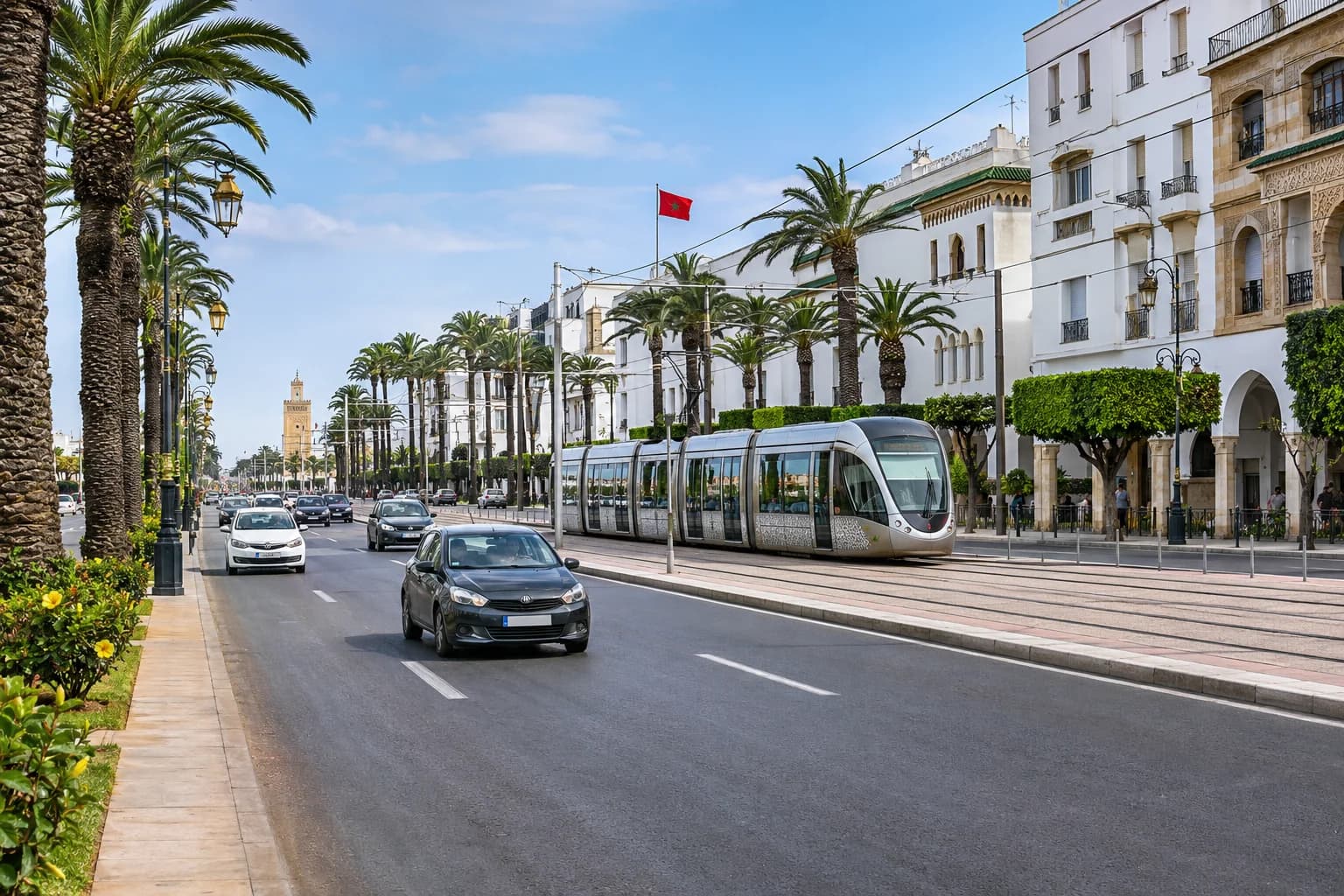
Driving in Rabat is generally manageable for tourists with city-driving experience. Rush hours are usually around 7:30–9:30 AM and 5:00–7:00 PM on working days. Watch for tram crossings, busy roundabouts and pedestrians. Check live traffic conditions, follow road signs and plan parking before entering central Rabat.
Driving in Rabat can seem easier than navigating some of Morocco's larger cities. The capital has wide boulevards, modern districts and direct road connections to Salé and nearby motorways.
However, tram lines, school traffic and busy intersections can make some journeys longer than expected. Understanding local traffic patterns helps visitors avoid delays.
These Rabat city driving tips cover rush hours, tram crossings, parking and roads requiring extra attention.
Is driving in Rabat easy for visitors?
Yes, driving in Rabat is generally manageable for tourists who have previous urban driving experience. The main challenges are busy junctions, frequent lane changes and finding parking near popular attractions.
For first-time visitors, driving outside peak hours makes journeys easier.
Historic neighbourhoods versus modern roads
Hay Riad, Souissi and parts of Agdal have wide roads and modern street layouts. Central Rabat has more pedestrians, taxis and tram crossings.
Around Bab El Had and the Medina, driving slowly and parking outside crowded streets is often easier.
If staying in the historic centre, walking between nearby attractions may be more practical than moving your car.
Basic rules for rental car drivers
Keep these 3 essentials in mind:
-
Drive on the right and follow posted speed limits.
-
Obey traffic lights, road signs and tram priority rules.
-
Keep your driving licence and required vehicle documents available.
Visitors should review the GOV.UK driving advice for Morocco before collecting a rental vehicle.
Driving in Rabat also requires patience around roundabouts, where unexpected lane changes can create difficult situations.
Local tip: If staying near the Medina, ask your accommodation for the nearest vehicle-accessible entrance before following GPS directions.
When is traffic at its worst in Rabat?
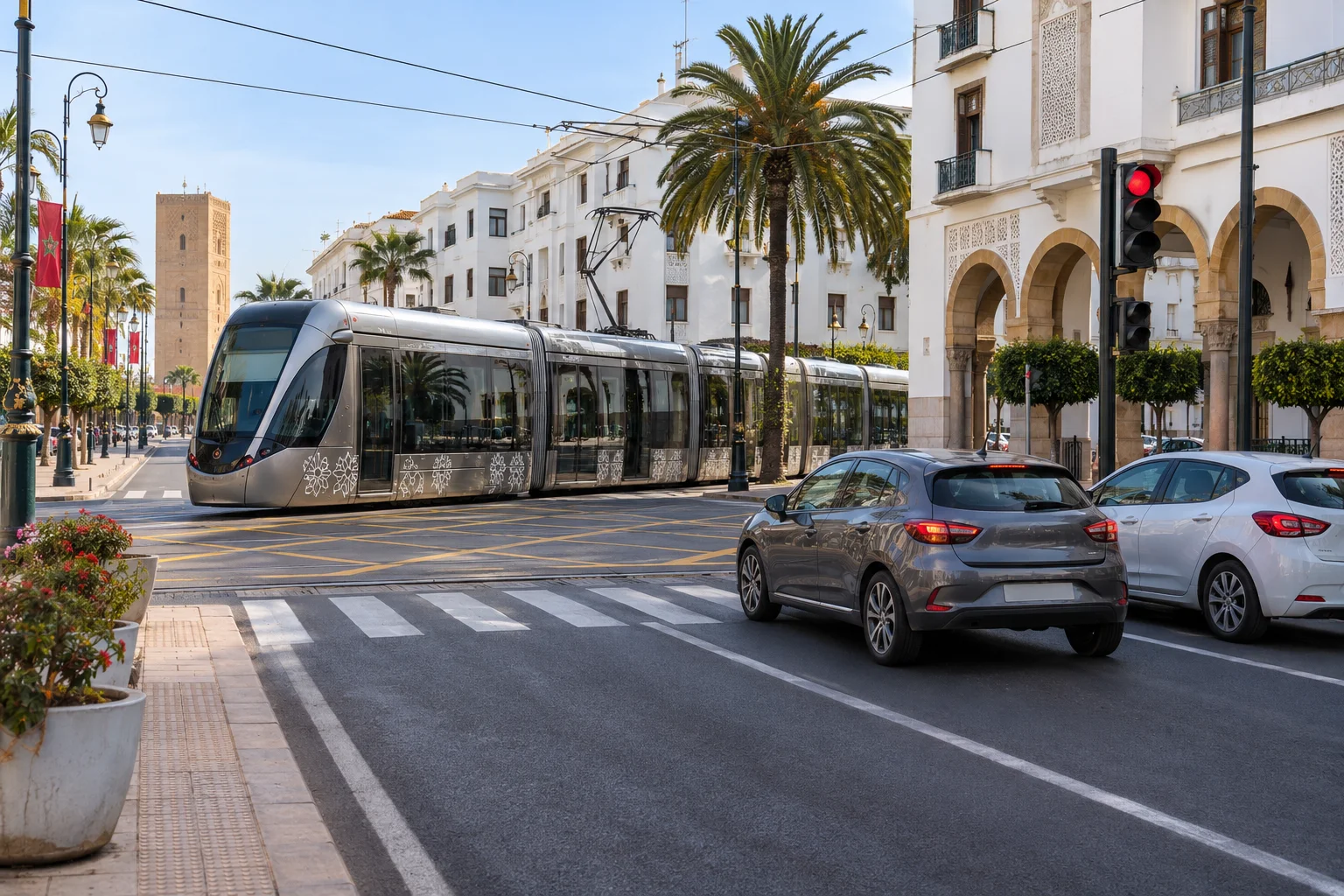
Rabat rush hour generally occurs around 7:30–9:30 AM and 5:00–7:00 PM on working days. These are approximate planning windows rather than fixed daily congestion forecasts.
Traffic in Rabat varies with school schedules, public events, rain and holidays.
Morning traffic around schools and offices
Between 7:30 AM and 9:30 AM, expect slower journeys around Agdal, Hassan and routes towards administrative districts.
School drop-offs and morning commuting can create queues near busy junctions.
Allow extra time for appointments and hotel departures when driving in Rabat during the morning.
Evening traffic and quieter driving times
Traffic often increases between 5:00 PM and 7:00 PM, particularly towards Hay Riad and Salé.
For sightseeing, 10:00 AM–3:00 PM is often a more comfortable driving window.
However, roadworks and local events can still affect journeys.
How to check Rabat traffic conditions
Use Google Maps or another live navigation application to check congestion before leaving.
When travelling between central Rabat and Salé, compare at least 2 possible routes. A slightly longer journey may avoid crowded intersections.
Checking traffic conditions shortly before departure makes driving in Rabat more predictable.
Local tip: If travelling from Agdal towards Salé during evening rush hour, check the Bouregreg bridge approaches and allow extra travel time.
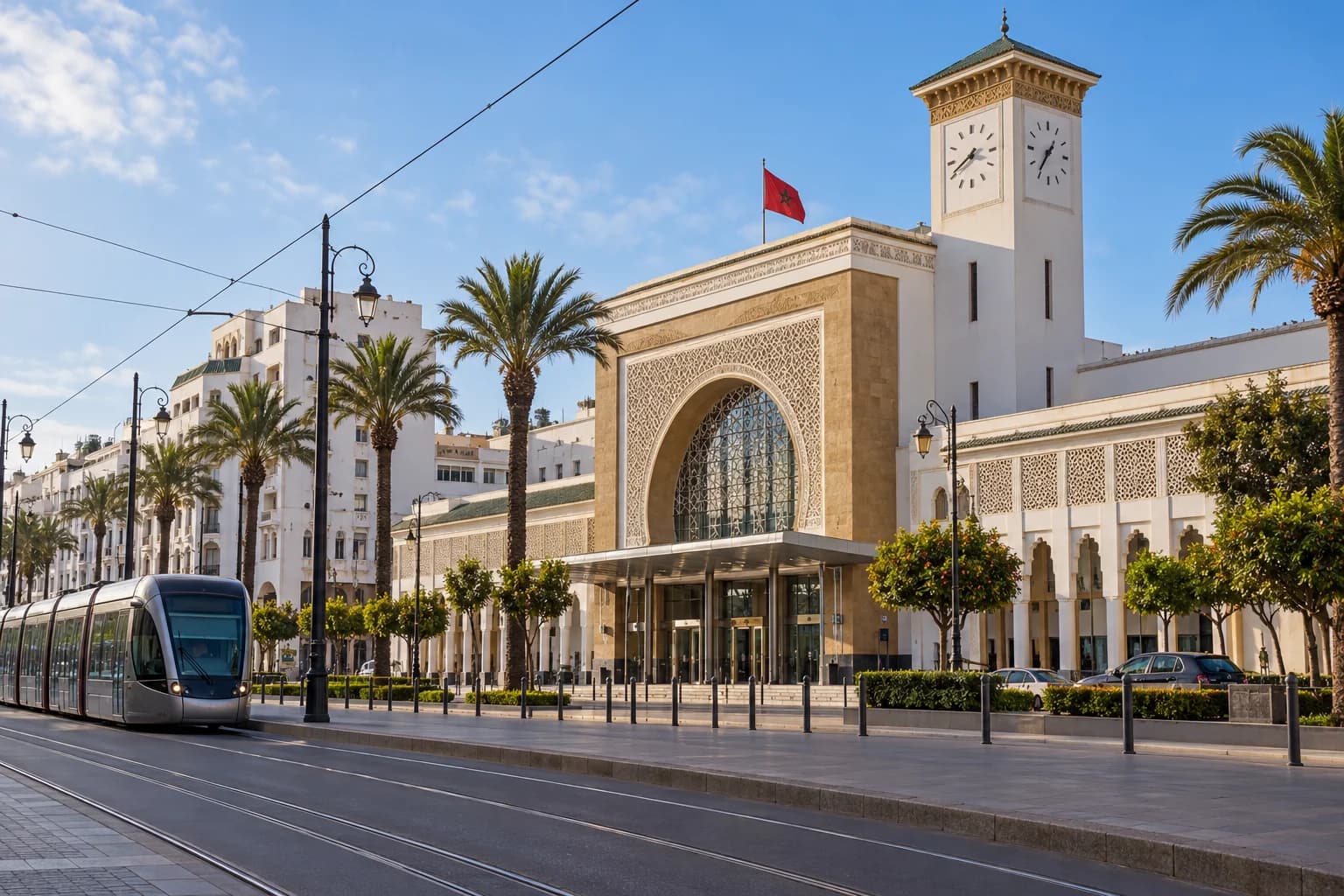
How should drivers approach tram crossings?
Trams have priority over road vehicles at crossings in Rabat. Drivers should slow down, obey signals and never enter the tracks without a clear exit.
Morocco's National Road Safety Agency explains tram priority rules.
Understanding these intersections is essential when driving in Rabat because tram routes cross busy urban streets.
Recognising tram intersections
The Rabat–Salé tramway passes through areas shared with cars and pedestrians.
When approaching a crossing:
-
Slow down and check traffic signals.
-
Watch for approaching trams from both directions.
-
Wait until the tracks and exit are clear.
-
Cross only when signals permit movement.
Turning safely near tram tracks
Be especially careful when turning left across tracks or waiting beside tram corridors.
Never stop on tram tracks when the junction ahead is blocked. Avoid blocking pedestrian crossings near tram stops.
Even when a tram appears to move slowly, its priority remains.
Local tip: Around Rabat-Ville and central tram corridors, use permitted junctions instead of making sudden turns across the tracks.
Which roads and neighbourhoods get congested?
The main Rabat traffic pressure points include Avenue Hassan II, central Rabat, parts of Agdal and approaches towards Salé.
These roads are not congested throughout the day, but commuter traffic can increase journey times.
Knowing where traffic in Rabat usually builds helps visitors choose alternative routes.
Main roads to watch
-
Avenue Hassan II: Important traffic corridor with possible queues around busy intersections.
-
Avenue Mohammed V: Central traffic, pedestrians and tram-related junctions.
-
Agdal: Busy neighbourhood streets near shops, offices and schools.
-
Hay Riad: Commuter traffic around offices and major junctions.
-
Bouregreg crossings: Possible queues when travelling between Rabat and Salé.
Smaller neighbourhood roads can also experience delays during school opening and closing times.
Parking and city centre access
Finding parking can sometimes take longer than reaching your destination.
Before entering central Rabat, read the Rabat parking guide for parking locations and restrictions.
Parking once and exploring nearby attractions on foot is often convenient.
Local tip: Set your navigation destination to a suitable car park rather than the attraction entrance, especially around Bab El Had.
Common mistakes to avoid
Driving in Rabat becomes easier when visitors avoid these common mistakes:
-
Following GPS into narrow streets: Check vehicle access before approaching Medina accommodation.
-
Crossing tram tracks without checking signals: Wait for a permitted crossing and clear exit.
-
Driving during peak hours: Avoid unnecessary journeys around 7:30–9:30 AM and 5:00–7:00 PM.
-
Changing lanes suddenly: Choose the correct lane early, particularly near roundabouts.
-
Ignoring parking restrictions: Check signs and use designated parking areas.
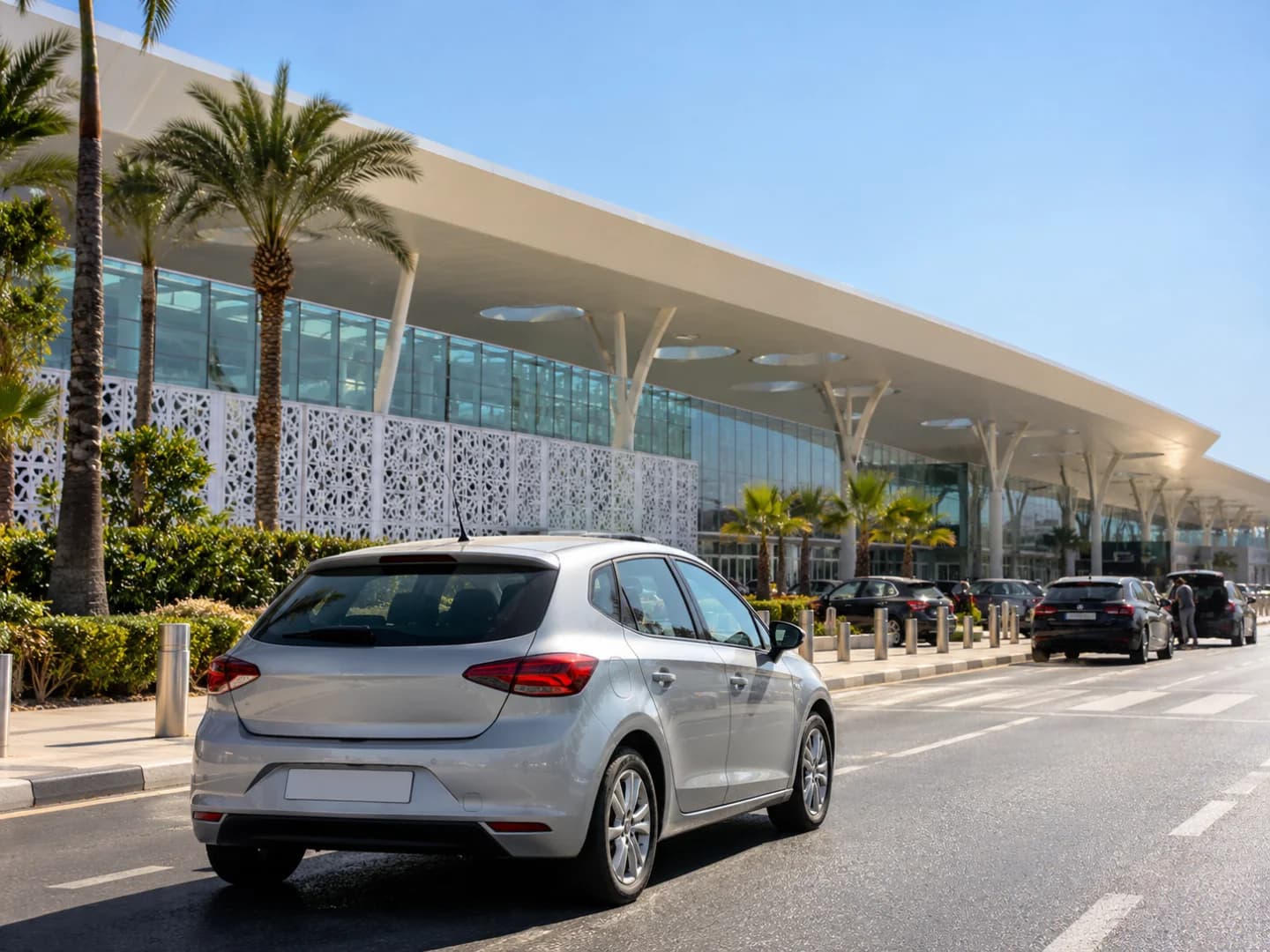
For easier manoeuvring, compare the best hatchbacks to rent in Rabat.
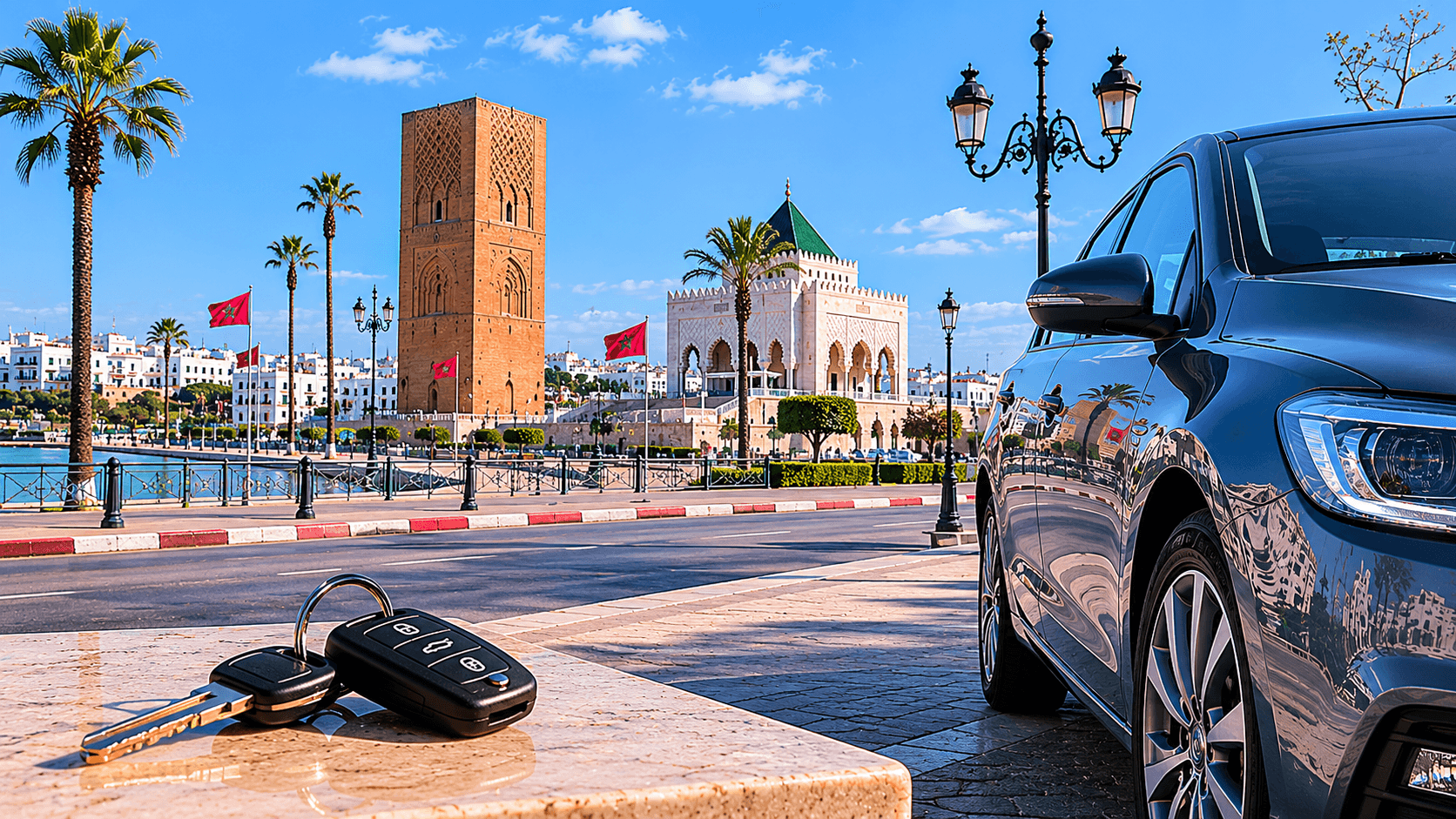
Easier option: Rent a car in Rabat
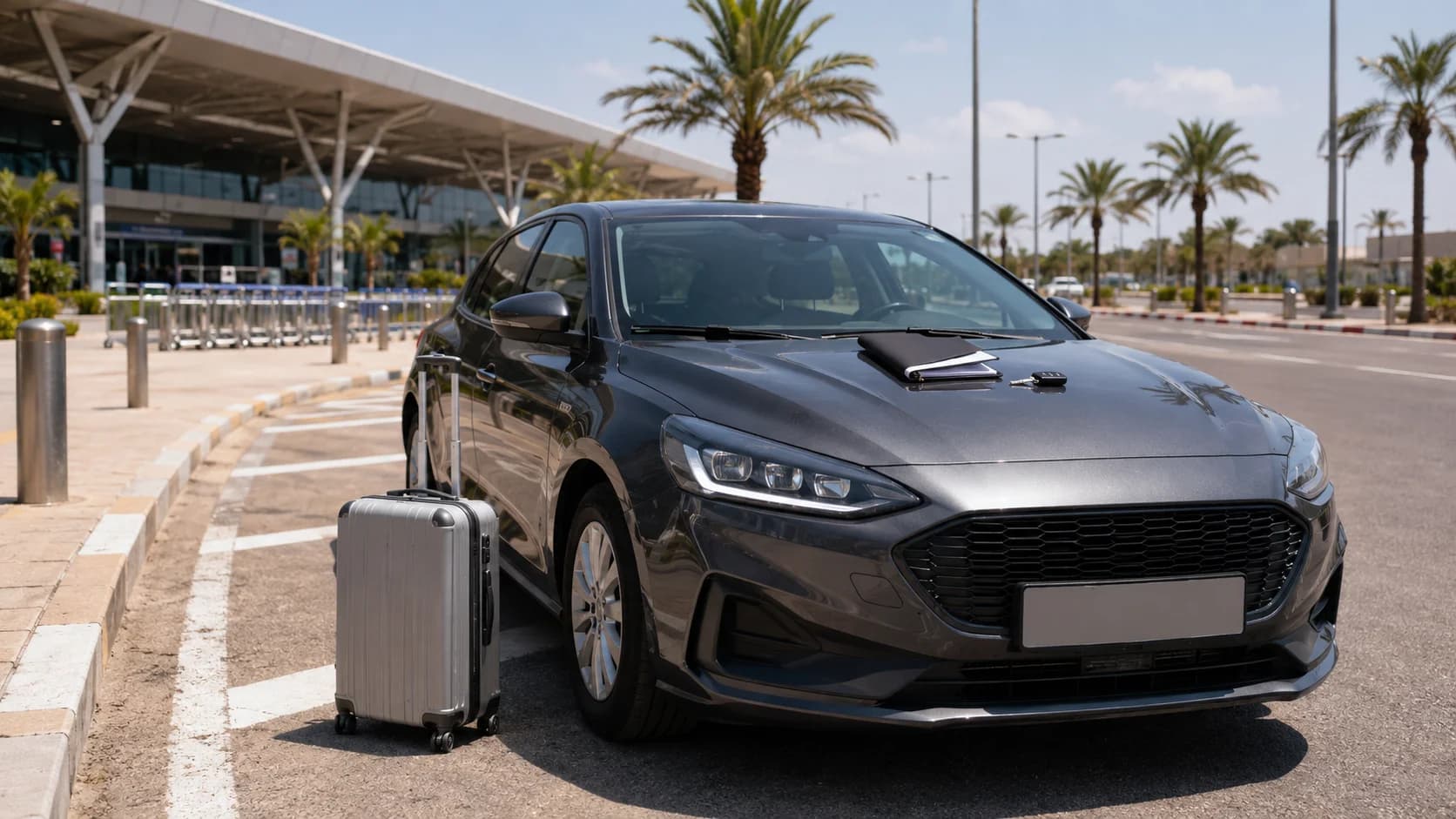
MarHire Car Rabat offers city and airport vehicle delivery, selected no-deposit options and 24/7 WhatsApp support.
Visitors can compare automatic and manual cars, arrange accommodation pickup and review rental conditions before booking.
Explore car rental in Rabat to choose a vehicle suitable for city driving and longer journeys.
FAQ: Driving in Rabat
Is it easy to drive in Rabat?
Yes, driving in Rabat is generally manageable for visitors experienced with city traffic. Wide boulevards make many journeys straightforward, although tram crossings, busy roundabouts and parking require attention. First-time visitors should avoid unfamiliar central streets during rush hour.
What are the rush hour times in Rabat?
7:30–9:30 AM and 5:00–7:00 PM are useful planning windows for Rabat rush hour on working days. Traffic often increases around Agdal, Hay Riad and central intersections. Check live conditions because congestion varies with weather, holidays and school schedules.
How should drivers handle tram crossings in Rabat?
No, drivers should not enter a tram crossing when signals prohibit movement or the exit is blocked. Trams have priority over cars. Slow down, check both directions, obey traffic signals and wait until you can clear the tracks completely.
What are the busiest roads in Rabat?
4 areas deserve particular attention: Avenue Hassan II, central Rabat, Agdal and the Bouregreg crossings towards Salé. Traffic varies throughout the day, especially near schools and offices. Allow extra time during commuting periods and check your route before departure.
Our recommendation
Budget travellers should combine walking with public transport. First-time drivers should avoid rush hours. Families may prefer compact automatic cars, while self-drive visitors should plan parking and motorway connections.
Compare rental cars in Rabat and choose a vehicle suitable for your itinerary.