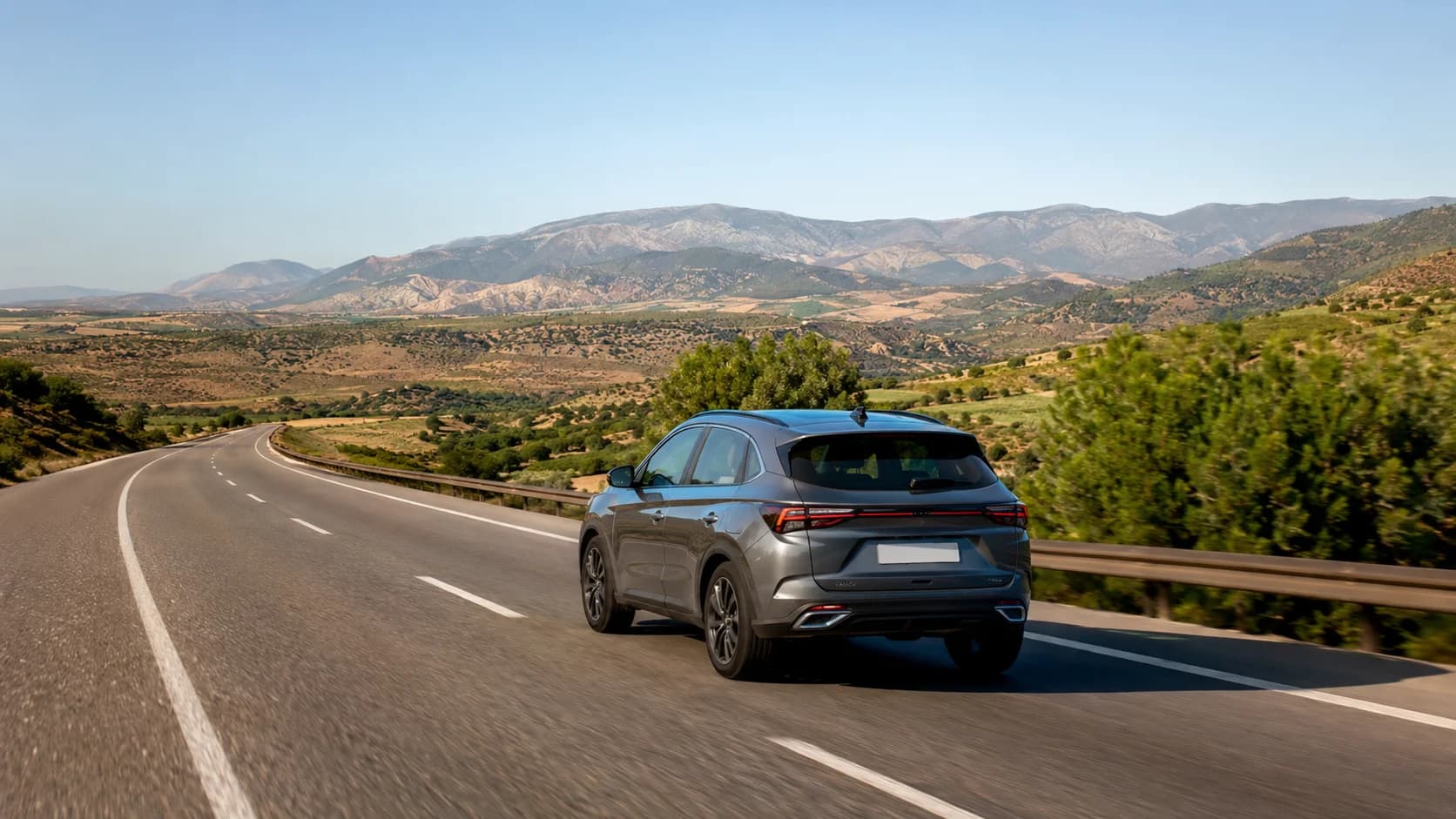









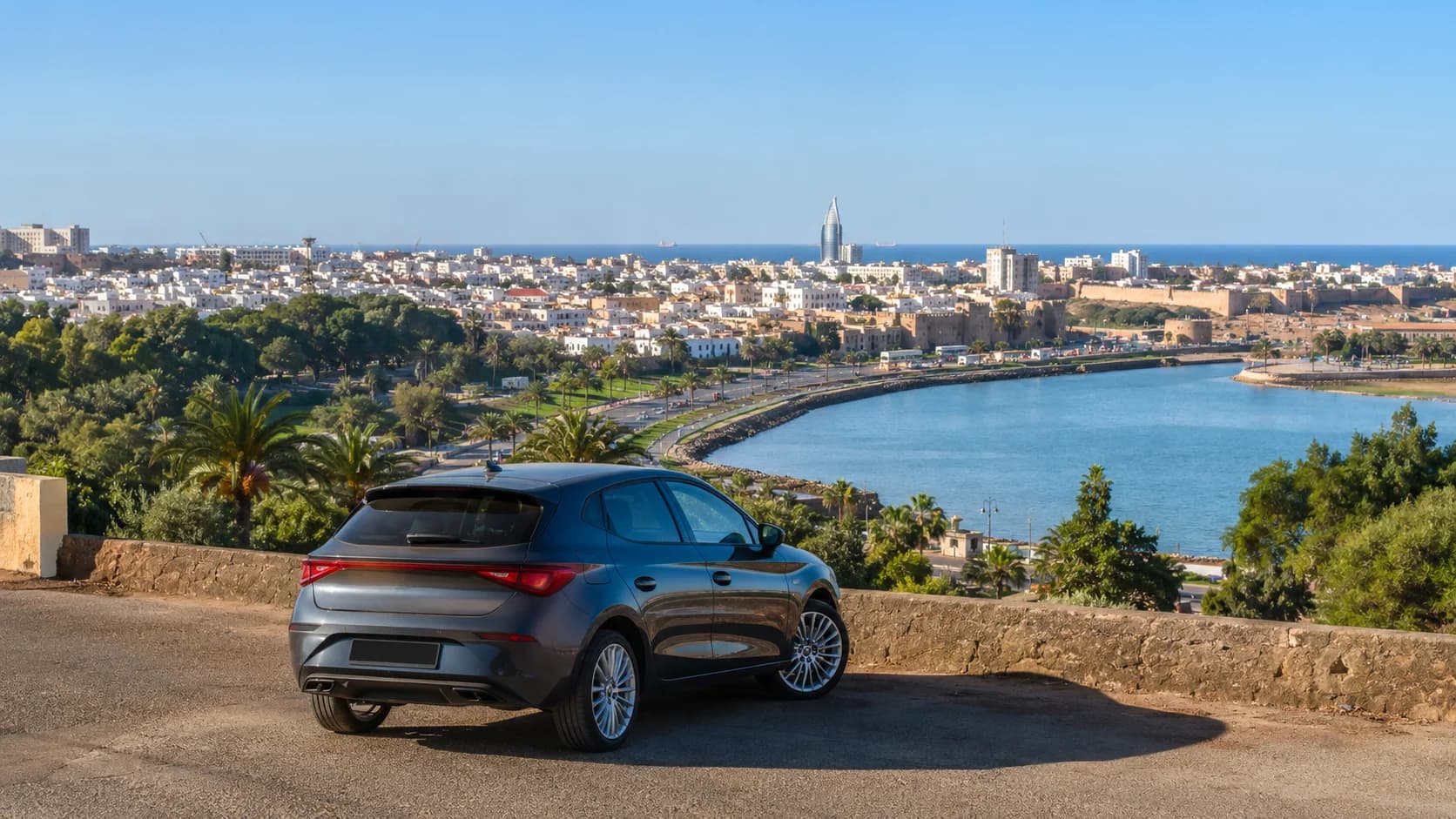
Rabat is one of Morocco’s easiest major cities to explore at a relaxed pace. With 3 days in Rabat by car, you can combine the capital’s historic landmarks with the neighbouring city of Salé, the Atlantic waterfront and a greener excursion outside the urban centre without spending most of your trip behind the wheel.
The best approach is not to drive from attraction to attraction all day. Instead, use your rental car to connect different areas, park once, and explore compact historic districts on foot. Rabat’s mix of heritage, gardens and coastline makes this especially practical. The Moroccan National Tourist Office highlights Hassan Tower, the Kasbah of the Oudayas and Chellah among the capital’s major historic attractions, alongside its extensive green spaces and Atlantic coast.
Table of Contents
- How Should You Spend 3 Days in Rabat by Car?
- How to use a car during three days in Rabat
- Day 1: Hassan Tower, Chellah and central Rabat
- Day 2: Oudayas, Salé and the Atlantic side
- Day 3: Gardens, forest or a nearby beach
- Parking strategy for each day
- Driving times and best route order
- Where a car helps and where to walk
- Best vehicle for a Rabat city break
- FAQs
How Should You Spend 3 Days in Rabat by Car?
A balanced Rabat 3 day itinerary looks like this:
- Day 1: Hassan Tower, Mausoleum of Mohammed V, Chellah and central Rabat
- Day 2: Kasbah of the Oudayas, Rabat medina, Bouregreg waterfront and Salé
- Day 3: Choose between Bouknadel gardens, Maâmora Forest or an Atlantic beach excursion
This route keeps the first two days concentrated around the city while using the car more heavily on day three. It gives you enough time to see Rabat without turning the trip into an overloaded sightseeing checklist.
How to Use a Car During Three Days in Rabat
Having a rental car in Rabat does not mean you should drive continuously.
The city is better approached as several sightseeing zones. Drive between those zones, then walk once you arrive.
For example, Hassan Tower and the surrounding monuments can be visited together. The Oudayas, medina and waterfront form another mostly walkable area. Day three is when having your own vehicle becomes particularly useful because you can leave Rabat for gardens, forests or beaches without organising separate transport.
If you are arriving by air or planning additional journeys around the region, starting with a car rental in Rabat also makes it easier to keep the same vehicle throughout your stay.
A realistic three-day pace
Trying to visit Hassan Tower, Chellah, Oudayas, Salé, several museums, gardens and the beach in one or two days makes Rabat feel unnecessarily rushed.
Three days allows you to:
- spend time walking rather than constantly searching for parking
- stop for lunch without watching the clock
- explore both sides of the Bouregreg
- keep an entire day flexible for the coast or countryside
- return to interesting areas in the evening
That slower rhythm suits Rabat particularly well.
Day 1: Hassan Tower, Chellah and Central Rabat
Your first day should focus on Rabat's major historic and civic landmarks.
Morning: Hassan Tower and the Mausoleum of Mohammed V
Start around the Hassan Tower area.
The unfinished Hassan Tower has watched over Rabat for more than eight centuries, and the nearby esplanade includes the Mausoleum of Mohammed V.
Because these landmarks are close together, there is little reason to move your vehicle once you have found a suitable parking area.
Allow roughly 60 to 90 minutes for a comfortable visit.
From here you can also appreciate the relationship between Rabat and the Bouregreg River, which becomes an important part of the itinerary on day two.
Late morning: Drive toward Chellah
Next, continue toward Chellah.
Rather than adding several stops along the way, keep the morning simple and dedicate proper time to the archaeological site.
Chellah combines historic remains with landscaped surroundings and is one of Rabat's most distinctive heritage locations. Morocco's tourism office describes it as an ancient site enclosed behind monumental walls, while also including it among Rabat's important green spaces.
Plan around one to two hours depending on how slowly you want to explore.
Afternoon: Central Rabat
After Chellah, move toward central Rabat for lunch and a slower afternoon.
Possible stops include the modern city centre, Mohammed VI Museum area and surrounding boulevards.
This part of your trip demonstrates one of the biggest advantages of having a car in Rabat: you can connect the historical sites easily but then leave it parked while exploring compact areas on foot.
Day 1 route
Hassan Tower → Chellah → Central Rabat
Avoid adding Salé or the Oudayas today. Both deserve more time and fit naturally together on day two.
Day 2: Oudayas, Salé and the Atlantic Side
Day two moves away from Rabat's administrative centre and toward its historic waterfront.
Morning: Kasbah of the Oudayas
Start early at the Kasbah of the Oudayas.
The fortified district sits above the Bouregreg and Atlantic side of Rabat. Inside, the combination of narrow streets, whitewashed buildings, viewpoints and gardens creates a completely different atmosphere from central Rabat.
The Moroccan National Tourist Office specifically recommends taking time to walk through the Kasbah and its gardens rather than treating it as a quick photo stop.
This is exactly where your vehicle should stay parked.
Driving through tight historic streets is rarely useful. Find an appropriate parking area outside the most pedestrian-oriented zone and continue on foot.
Allow around 90 minutes to two hours.
Continue through Rabat Medina
From the Oudayas, exploring part of Rabat's old medina on foot makes more sense than returning immediately to the car.
The medina is known for traditional crafts including textiles, leatherwork, jewellery and Rabati carpets.
You do not need a detailed street-by-street checklist. Give yourself time to walk naturally and stop when something interests you.
Afternoon: Cross toward Salé
Rabat and Salé face each other across the Bouregreg River, making them easy to combine within one sightseeing day.
Once you finish exploring the Rabat side, retrieve your car and continue toward Salé.
The attraction here is not simply another list of monuments. Visiting Salé gives you a different perspective on the capital region and helps explain why the river is such an important part of the area's geography.
Spend the afternoon exploring at a comfortable pace before returning to Rabat.
Evening: Atlantic or Bouregreg waterfront
End the day near the water.
Depending on the season, weather and where you are staying, this could mean a walk beside the Bouregreg or heading toward Rabat's Atlantic side.
Rabat's position on the ocean is easy to underestimate when planning a city break. The national tourism office describes the capital as having an extensive Atlantic coastline with beaches stretching southward.
Day 2 route
Oudayas → Rabat Medina → Bouregreg → Salé → Waterfront
This route combines walking and driving rather than repeatedly moving the vehicle short distances.
Day 3: Gardens, Forest or a Nearby Beach
The third day is where a rental car becomes particularly valuable.
Instead of choosing one compulsory excursion, pick a destination according to the weather and the type of trip you want.
Option 1: Exotic Gardens of Bouknadel
For an easy nature-focused excursion, consider the Exotic Gardens of Bouknadel.
They are approximately 20 km from Rabat, according to Morocco's National Tourist Office, making them suitable for a half-day outing without committing to a long road trip.
This works particularly well if you want your final day to remain relaxed.
You can visit the gardens, have lunch outside central Rabat and return during the afternoon.
Option 2: Maâmora Forest
If you prefer countryside scenery, drive toward the Maâmora Forest.
Morocco's tourism office specifically recommends the forest as one of the natural areas around Rabat and notes its location on the route toward Fes.
This option provides the strongest contrast with the first two days.
Instead of monuments and medina streets, day three becomes about open surroundings and a break from the capital.
Option 3: Atlantic beach day
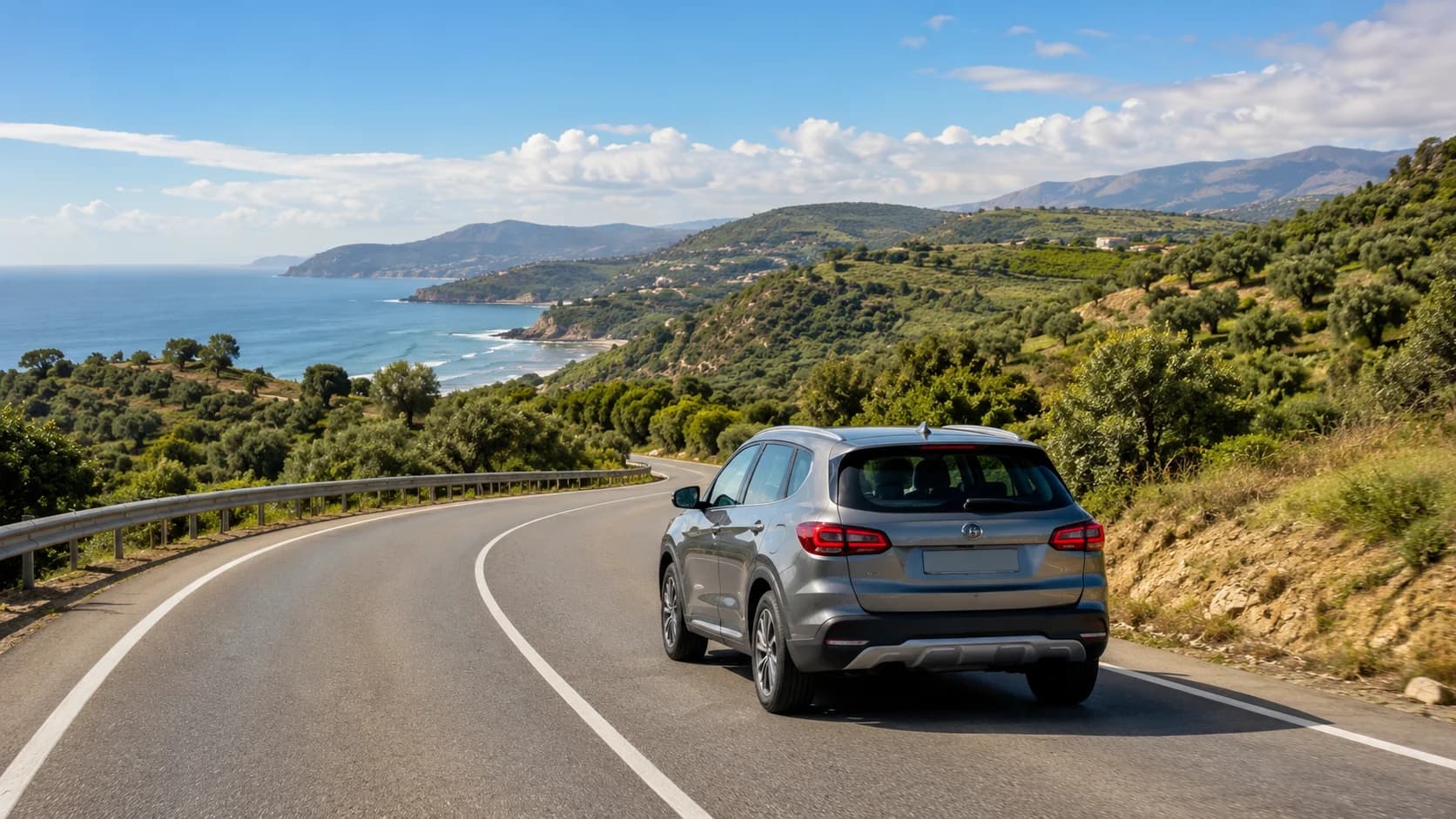
If the weather is good, turn the final day of your Rabat weekend by car into a coastal excursion.
Rabat's surrounding region offers several possibilities, including the Atlantic side north and south of the city.
One particularly interesting direction is toward Mehdia and Sidi Boughaba, where the tourism office highlights the Sidi Boughaba nature reserve and its migratory waterbirds.
A coastal option also gives you freedom to stop for viewpoints or lunch rather than following a tightly scheduled tour.
Which day-three option is best?
Choose:
Bouknadel for gardens and a short drive.
Maâmora for countryside and greenery.
Atlantic coast for sea views and a relaxed final day.
There is no need to fit all three into one day.
Parking Strategy for Each Day
Parking is easier when you treat Rabat as a series of zones.
Day 1
Park near the Hassan Tower area, explore on foot, then move the vehicle once when continuing toward Chellah and central Rabat.
Day 2
Park outside the tightest streets around the Oudayas and medina. Walk through the historical sections before retrieving your vehicle for Salé.
Day 3
Parking is generally less central to the itinerary because you will spend more time outside the city's busiest districts.
Regardless of location, always check current signs and local parking restrictions rather than assuming an empty space is available for visitor parking.
Driving Times and Best Route Order
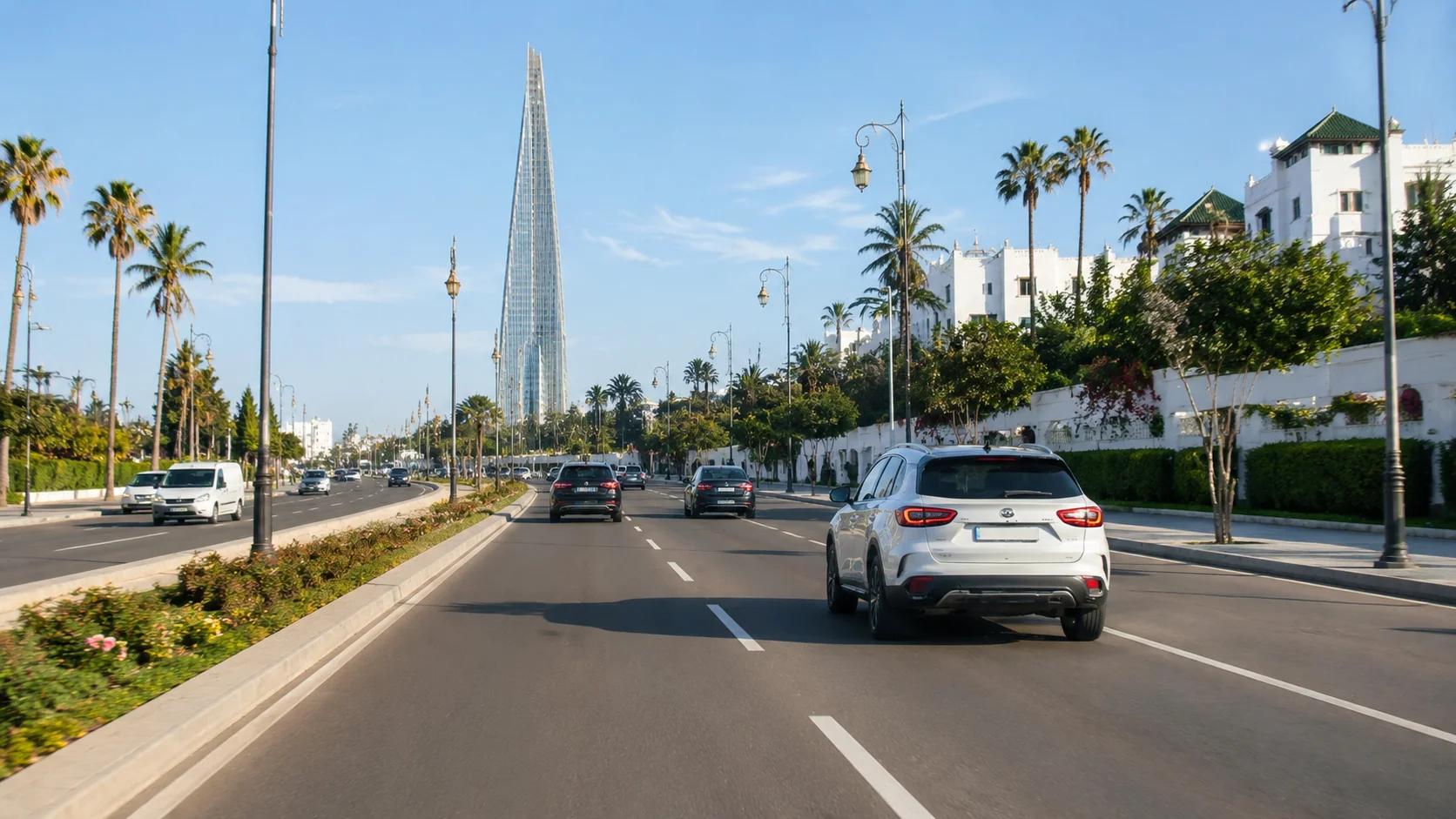
The objective is not to minimise every kilometre. It is to avoid repeatedly crossing the city unnecessarily.
A logical itinerary is:
| Day | Main Route | Driving Level |
|---|---|---|
| Day 1 | Hassan Tower → Chellah → Central Rabat | Light |
| Day 2 | Oudayas → Salé → Atlantic/Bouregreg | Light to moderate |
| Day 3 | Rabat → Gardens, forest or coast → Rabat | Moderate |
Most of your first two days should still be spent outside the vehicle.
Traffic conditions can change significantly depending on the hour, so allow additional time during busy commuting periods rather than building a schedule around exact minute-by-minute driving estimates.
Where a Car Helps and Where to Walk
A car is most useful for:
- travelling between different districts
- crossing between Rabat and Salé
- reaching your accommodation with luggage
- day-three excursions
- continuing to another Moroccan city afterward
- visiting beaches or nature areas outside central Rabat
Walking is better for:
- the Kasbah of the Oudayas
- the medina
- Hassan Tower and its immediate surroundings
- historic pedestrian areas
- waterfront promenades
- compact central districts
The most efficient strategy is therefore drive, park, explore, then drive again, rather than using the vehicle for every individual attraction.
Best Vehicle for a Rabat City Break
You do not need a large vehicle for this itinerary.
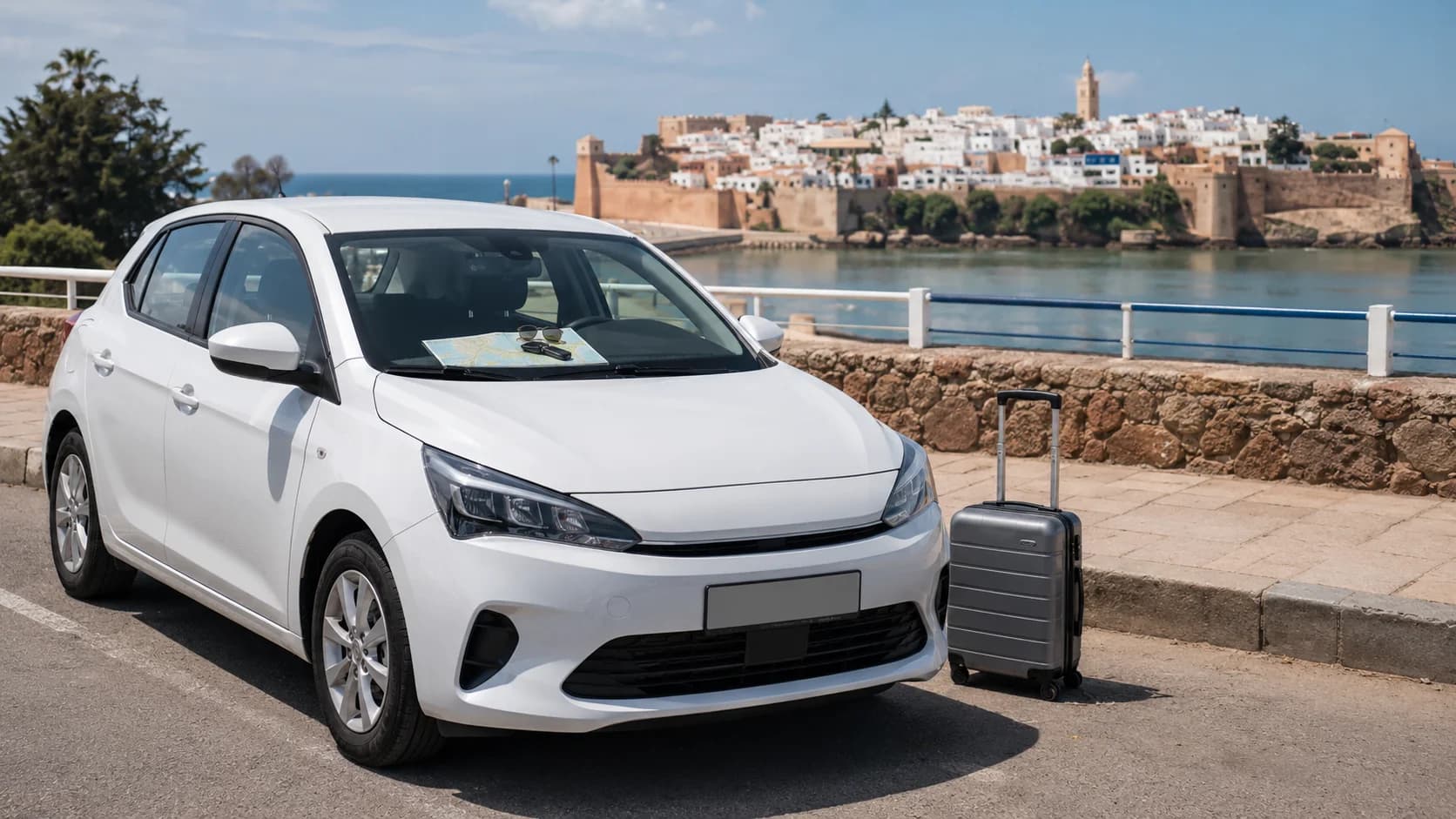
Hatchback
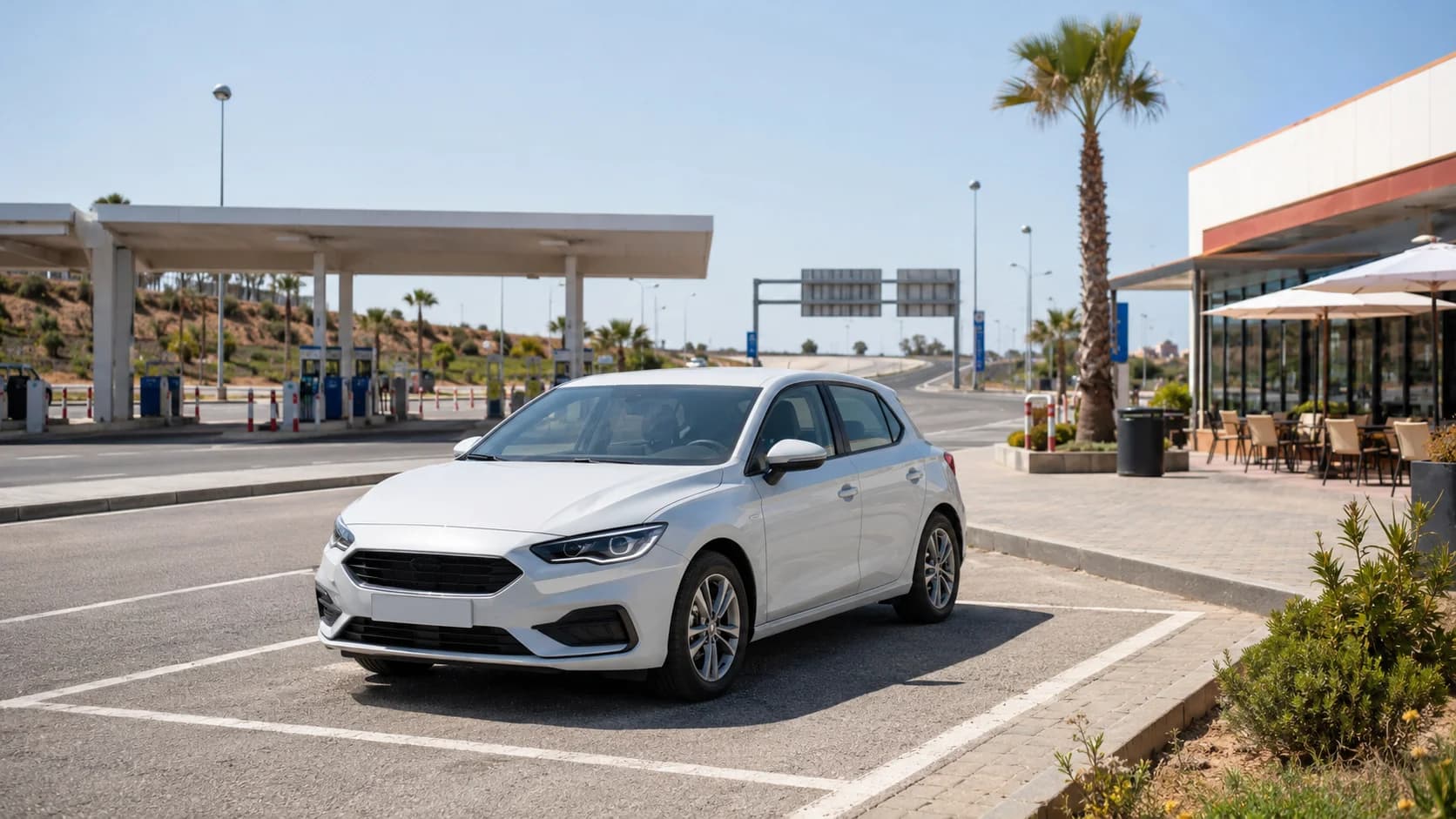
A hatchback rental in Rabat is particularly practical for one or two travellers.
Its smaller dimensions are useful for:
- city parking
- central streets
- short coastal drives
- three-day city breaks
- travellers carrying moderate luggage
Sedan
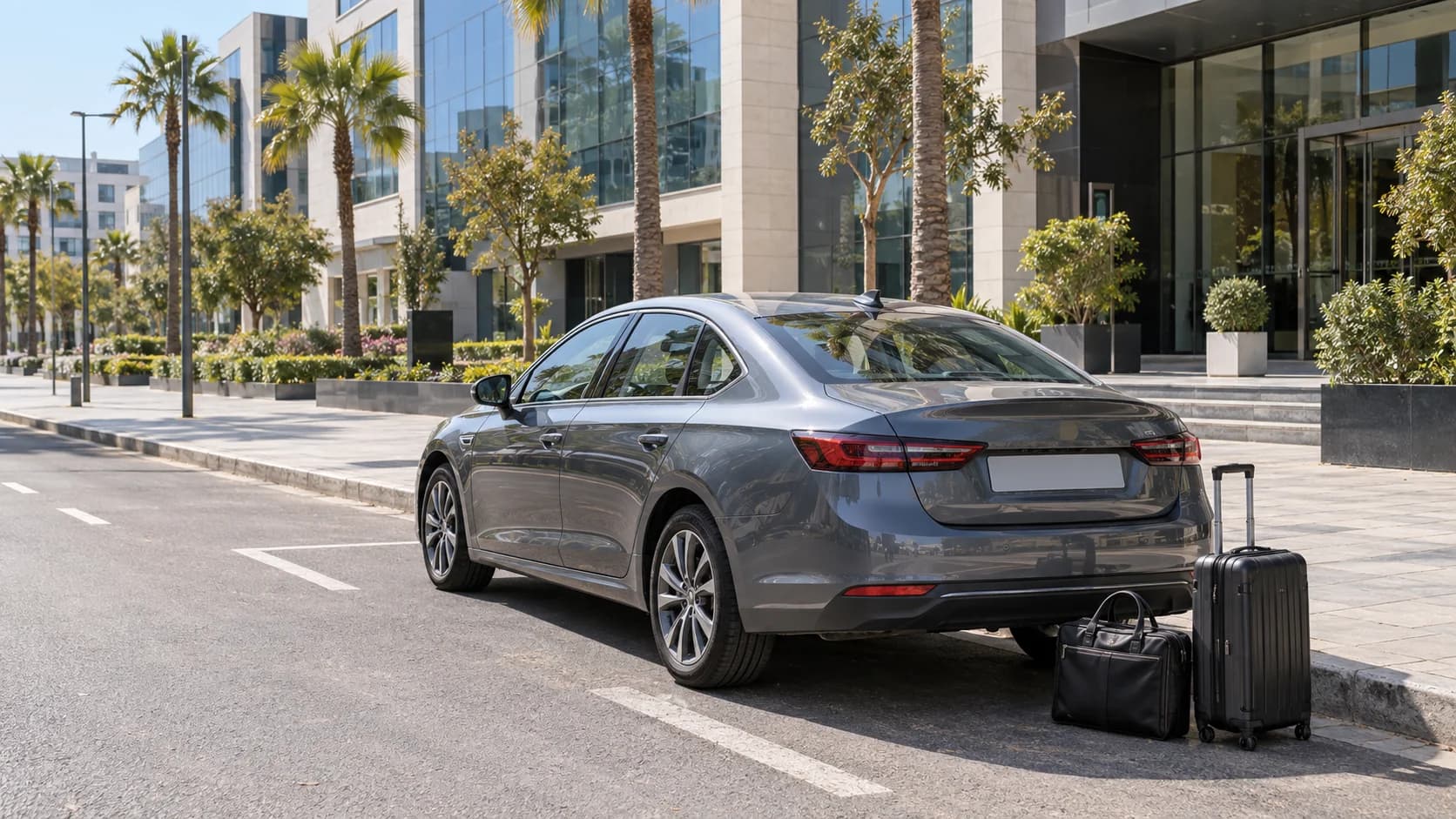
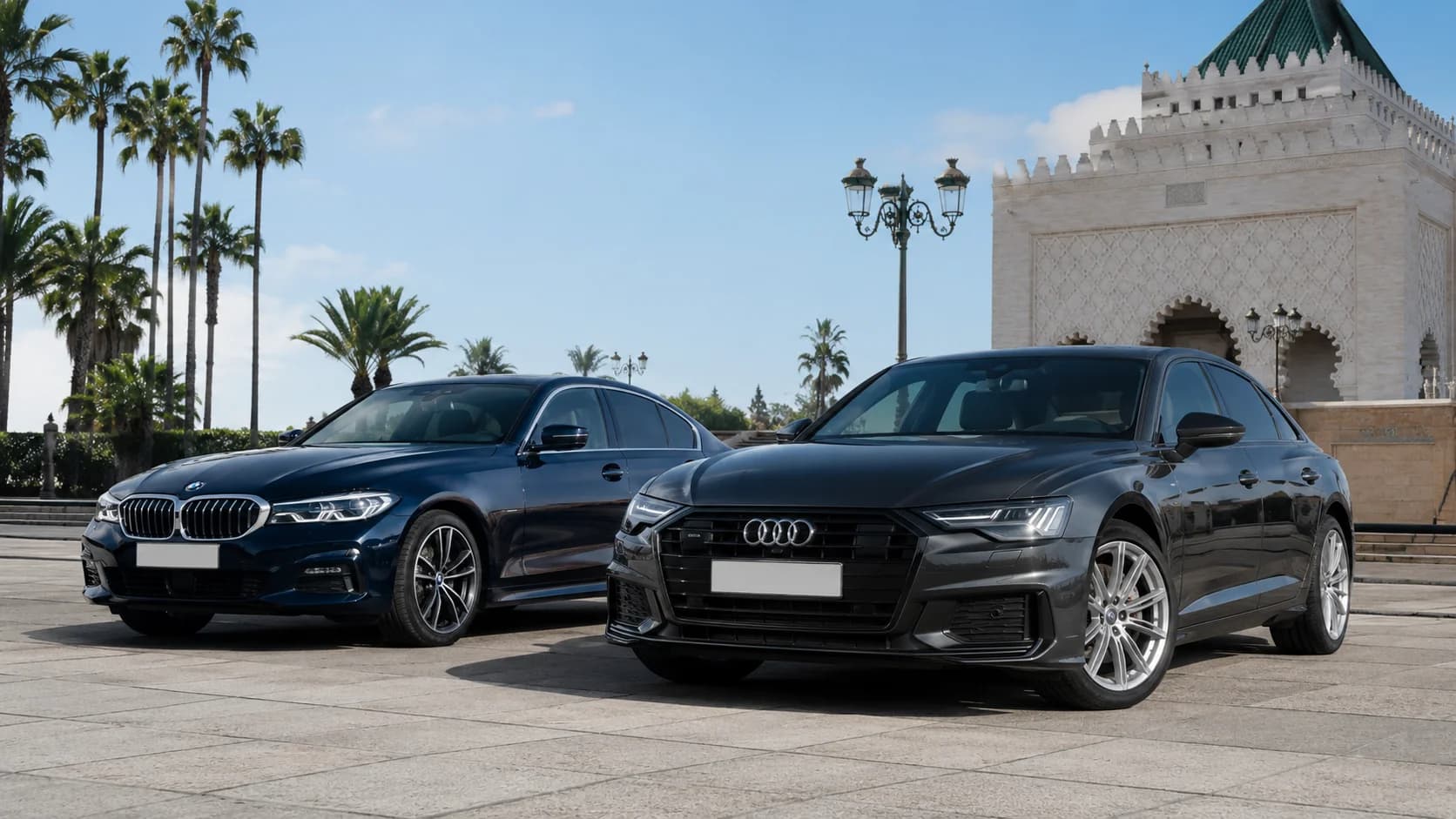
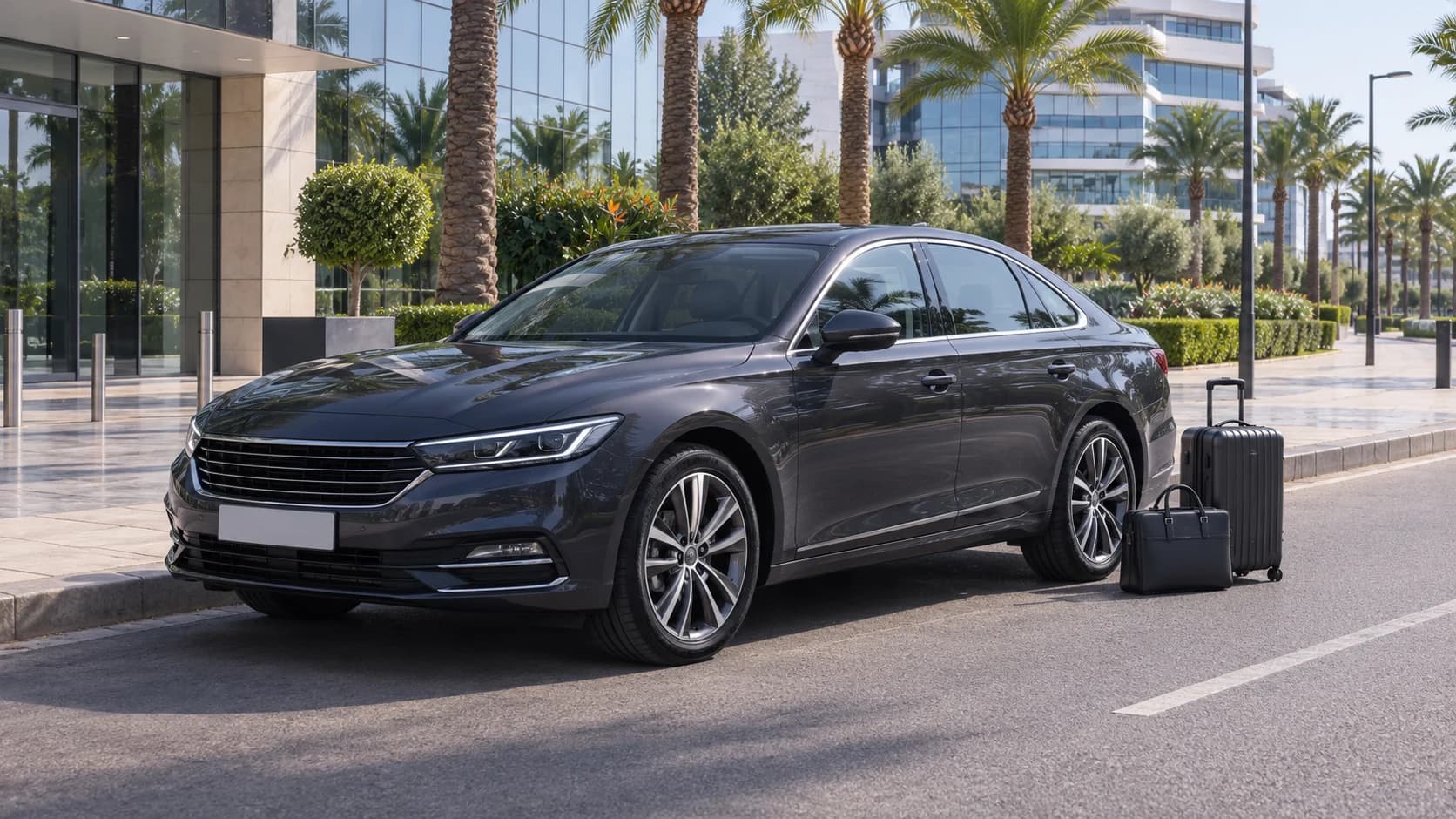
A sedan rental in Rabat is better when you want additional comfort or luggage capacity.
Choose one for:
- couples or small families with several bags
- longer onward journeys
- extra rear-seat space
- greater comfort on motorway trips
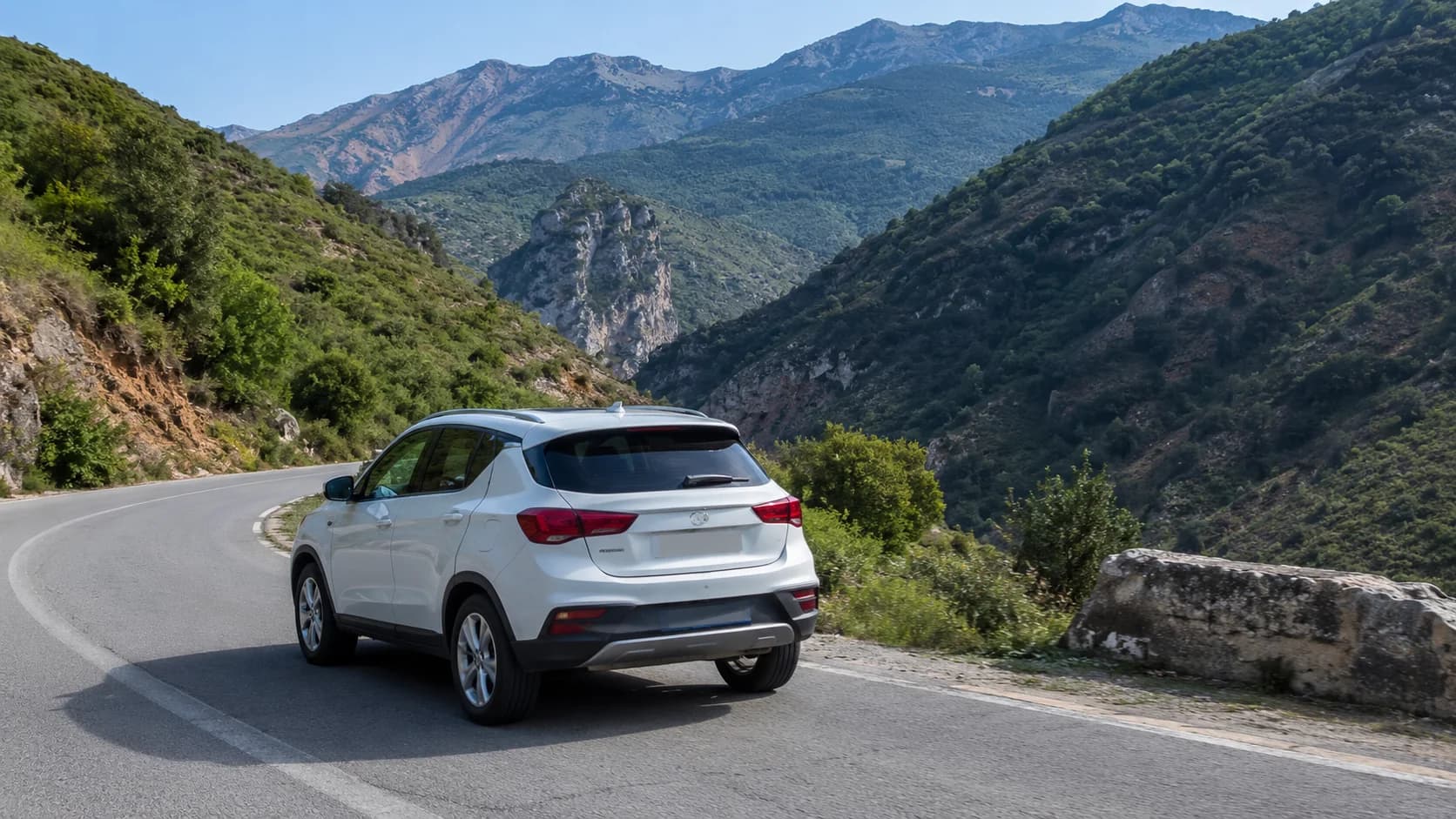
For this particular itinerary, an SUV usually is not necessary unless you have additional passengers, substantial luggage or another route planned after Rabat.
Is 3 Days in Rabat by Car Worth It?
Yes. Three days is a particularly good amount of time because Rabat does not require an exhausting sightseeing schedule.
Day one introduces the city's major monuments. Day two connects the medina, Oudayas, river and Salé. Day three uses the freedom of a rental car to reveal another side of the region through gardens, forest or the Atlantic coast.
The result is less of a traditional city checklist and more of a compact Rabat road trip itinerary.
You experience Morocco's capital as a city connected to a much wider landscape.
Frequently Asked Questions
Is three days enough for Rabat?
Yes. Three days gives you enough time to visit Rabat's principal historical areas, explore the waterfront and Salé, and reserve one day for a nearby nature or coastal excursion without rushing.
Do I need a car for three days in Rabat?
You do not need a car for every attraction in central Rabat. However, it becomes useful for connecting different districts, travelling with luggage and especially for excursions outside the city on your third day.
What should I see on my first day in Rabat?
A practical first-day combination is Hassan Tower and the Mausoleum of Mohammed V, followed by Chellah and central Rabat.
Can I visit Rabat and Salé on the same day?
Yes. Rabat and Salé sit on opposite sides of the Bouregreg River, so combining the Oudayas and waterfront with an afternoon in Salé creates a logical day-two route.
Where can I go near Rabat on day three?
The Exotic Gardens of Bouknadel are an easy option around 20 km from Rabat. Other possibilities include the Maâmora Forest or the Mehdia and Sidi Boughaba area.
Is parking difficult near Rabat attractions?
It varies by neighbourhood and time of day. The easiest strategy is to park once for each sightseeing area and continue on foot instead of trying to stop directly beside every monument.
What is the best area to stay with a rental car?
Areas with straightforward road access and reliable nearby parking are usually more convenient than accommodation deep inside pedestrian-oriented historic streets. Check the specific property's parking arrangements before booking.
Can I include a beach in a three-day Rabat itinerary?
Yes. The Atlantic coast works particularly well on day three, either as the main excursion or combined with another nearby stop.
What type of car is best for sightseeing in Rabat?
A compact hatchback is usually sufficient for one or two travellers and is convenient for city parking. A sedan provides more luggage room and comfort if you are travelling with family or continuing on a longer Moroccan road trip.
How much driving is included in this itinerary?
Days one and two involve relatively short urban journeys because much of the sightseeing is done on foot. Day three contains most of the driving, with the exact distance depending on whether you choose gardens, countryside or the coast.
Explore Rabat Without Rushing
Three days gives you enough time to understand Rabat rather than simply pass through it. Keep the historic centre walkable, use your vehicle for the connections where it genuinely helps, and save your final day for the landscapes beyond the capital.
MarHire Car Rabat offers practical city cars and comfortable sedans with free delivery, unlimited kilometres and local itinerary support through WhatsApp, making it easier to build your own three-day Rabat itinerary around the city, coast and countryside.