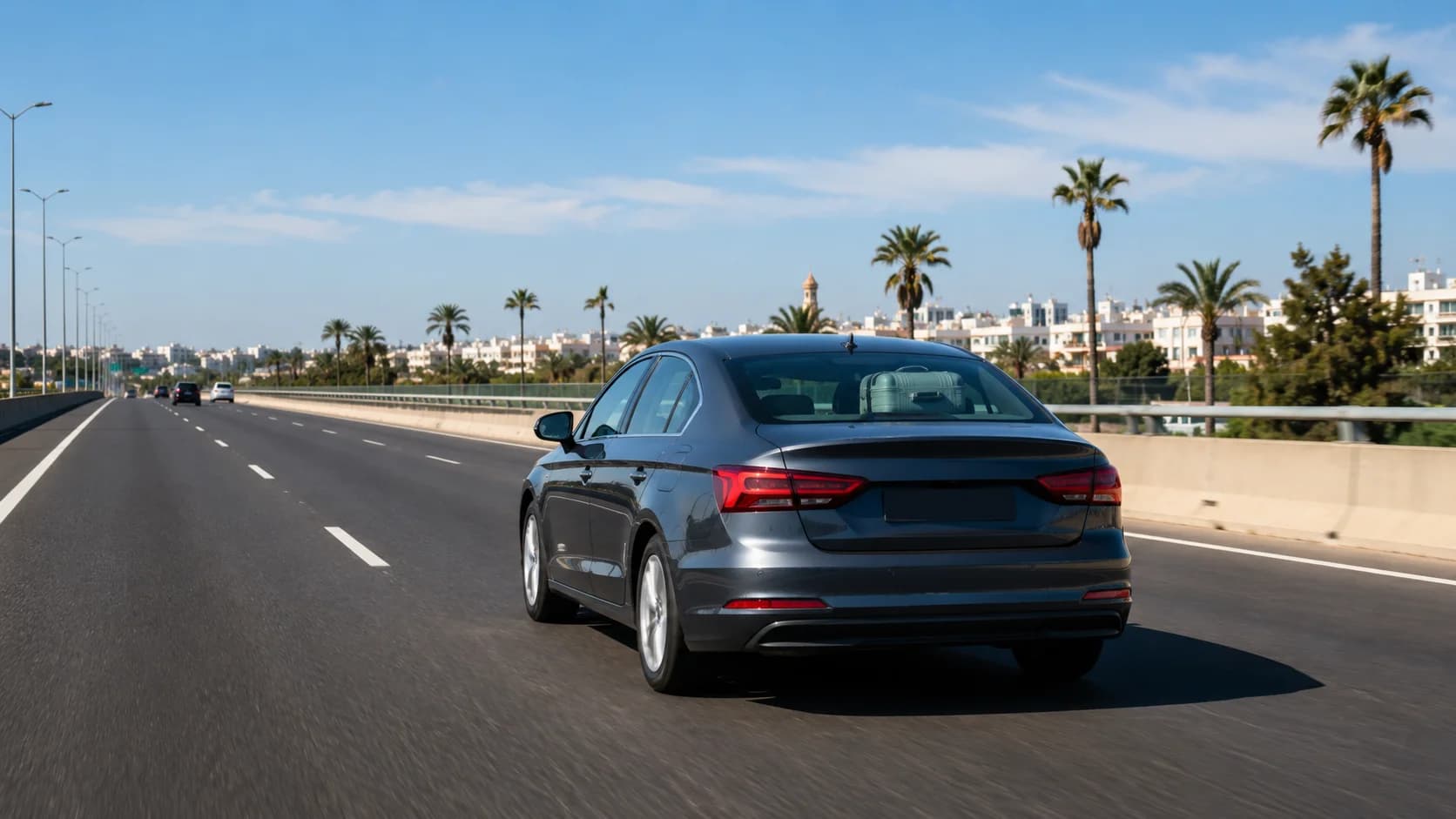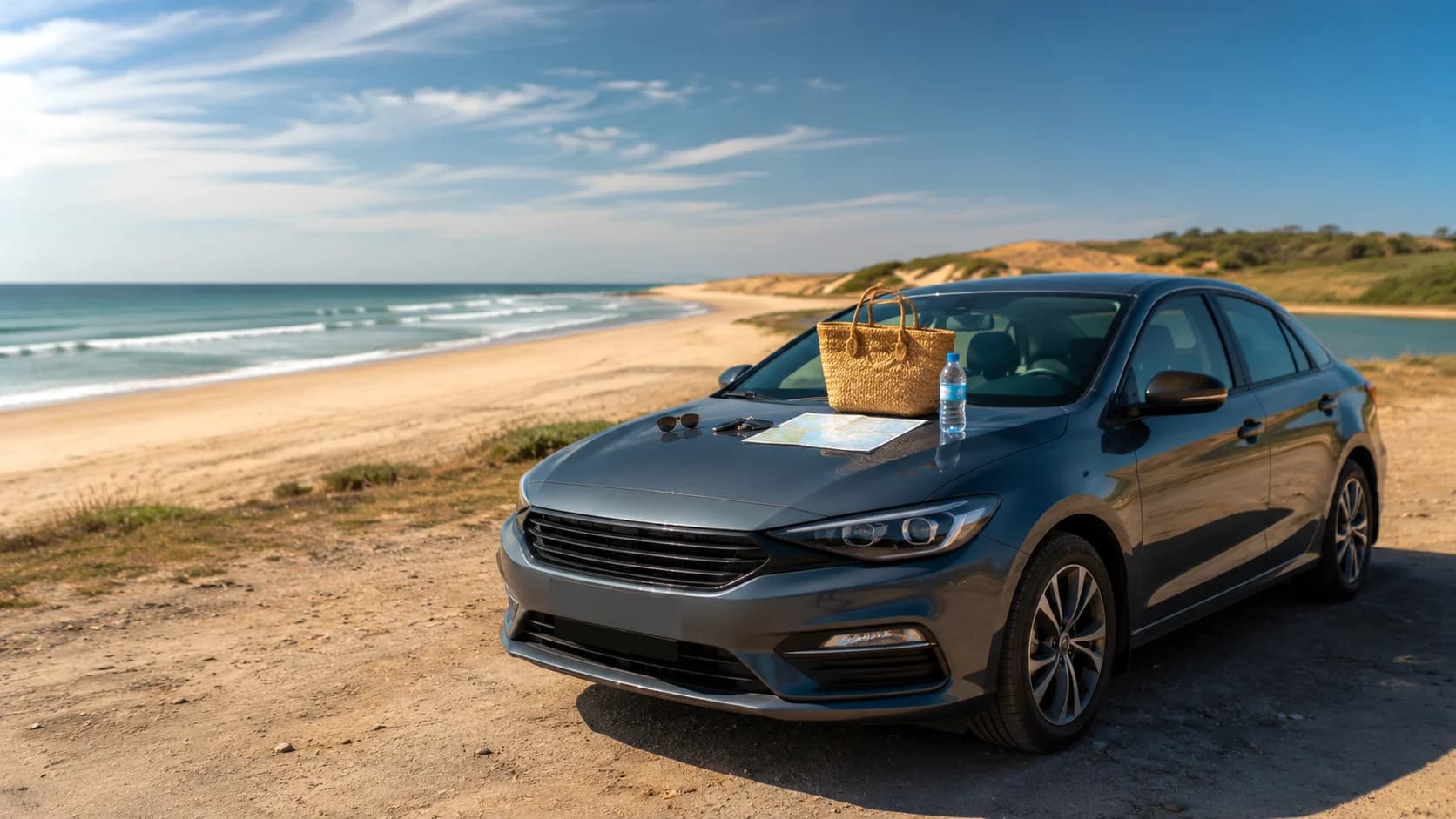





Driving out of Rabat is one of the easiest ways to explore northern and central Morocco, especially when your route follows the country's motorway network. Whether you are heading north toward Kenitra and Tangier, south toward Casablanca or farther east toward Meknes and Fes, understanding how Morocco motorway service areas work can make a long drive considerably easier.
For tourists using a car rental in Rabat, motorway service areas provide convenient opportunities to refuel, use the toilets, buy food or drinks and take a proper driving break without leaving the autoroute.
According to Autoroutes du Maroc, Morocco's motorway network currently has 60 motorway areas, including 58 service areas and 2 rest areas. They are spaced approximately 50 km apart on average, although the exact distance varies by route. ADM states that motorway rest and service areas are available throughout the year, 24 hours a day.
Table of Contents
- How Do Moroccan Motorway Service Areas Work?
- What motorway service areas are like in Morocco
- Fuel planning from Rabat
- Food, toilets and rest facilities
- How often to stop on long drives
- Payment and practical preparation
- Family and child-break planning
- What changes after leaving the motorway
- Road-trip service-area checklist
- FAQs about Morocco motorway service areas
How Do Moroccan Motorway Service Areas Work?
Moroccan motorway service areas work much like motorway stops elsewhere in Europe. You follow the signs from the motorway, enter a dedicated service area and usually find parking, fuel and basic traveler facilities without needing to leave the motorway system.
Larger service areas may also include:
-
Petrol and diesel pumps
-
Toilets
-
Cafés or restaurants
-
Convenience shops
-
Vehicle-related services
-
Seating or rest areas
-
Children's facilities at selected locations
-
ADM customer-service facilities at certain stops
Service areas are generally straightforward for foreign visitors to use. The main thing is to avoid waiting until your fuel tank is nearly empty, carry more than one payment option and take advantage of the stops before moving from the motorway onto smaller regional roads.
What Motorway Service Areas Are Like in Morocco
There is an important distinction between a motorway service area and a simple rest area.
ADM describes rest areas primarily as places for parking, relaxation and taking a break. Service areas provide those functions but add commercial facilities such as fuel, food or vehicle-related services.
That distinction matters when planning a long journey.
If you only need five or ten minutes away from the steering wheel, a rest area can be sufficient. If you need fuel, refreshments or more substantial facilities, look for a full service area.
Facilities are not identical at every location. Larger or newer stops can provide considerably more than a fuel pump and toilet.
For example, ADM describes the Mnasra service area on the Rabat–Tanger Med motorway as including fuel, food services, vehicle maintenance services and children's facilities.
For tourists, there is therefore little reason to treat a motorway fuel stop as an emergency measure. It can be incorporated deliberately into the day's itinerary.
Fuel Planning From Rabat
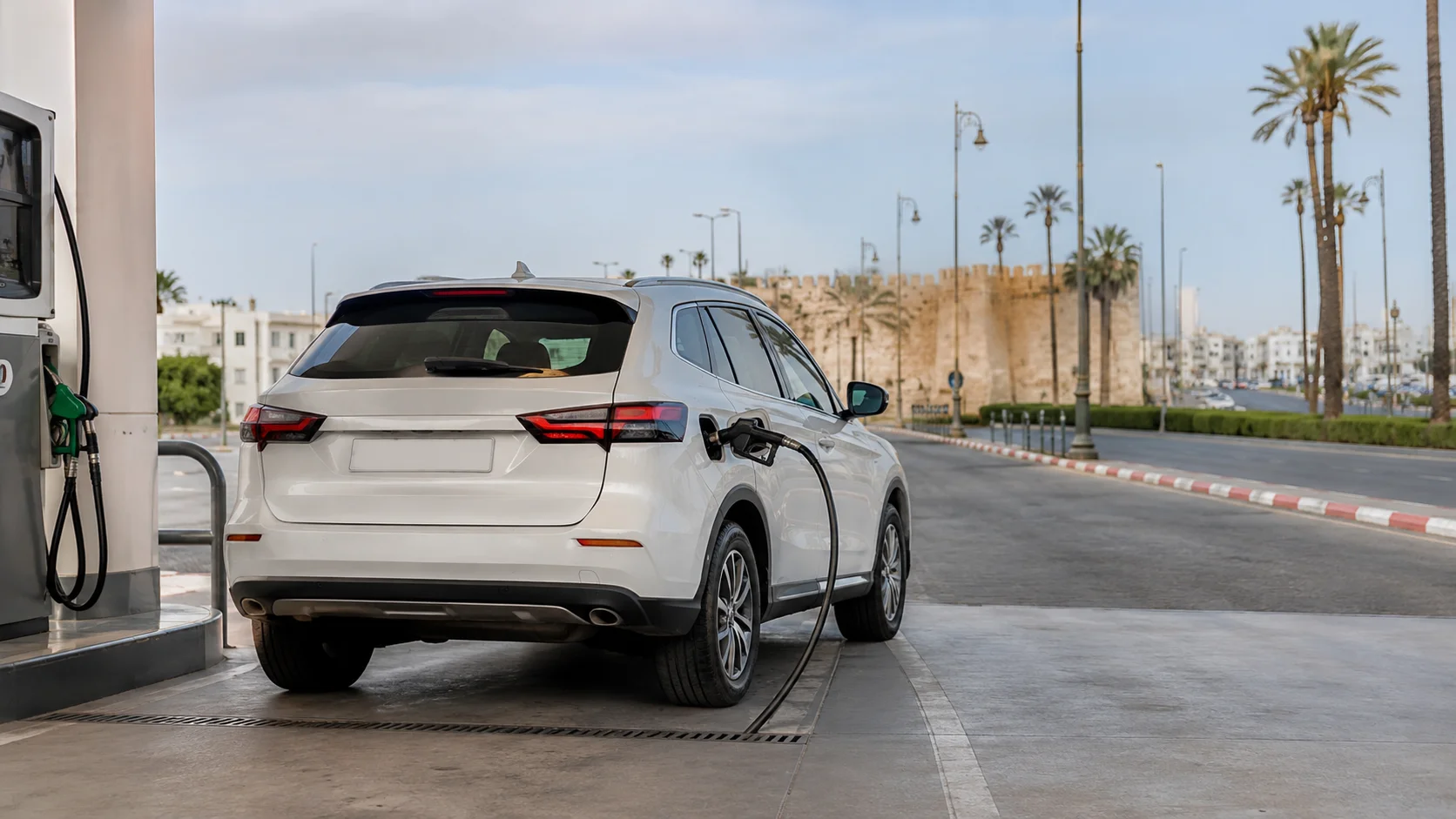
The simplest strategy is to begin a long journey from Rabat with a comfortable fuel level rather than planning to fill up only when the warning light appears.
This is particularly useful on routes such as:
Rabat → Tangier
The northbound motorway has several service areas along the wider Rabat–Tanger Med corridor. ADM's published network includes service areas around Kenitra, Moulay Bousselham, Mnasra and Larache, among others. Individual facilities can be direction-specific, so use motorway signs and current navigation rather than assuming that every stop is equally accessible from both carriageways.
Rabat → Casablanca
This is a relatively short motorway journey. Bouznika is among the established service-area locations on the Rabat–Casablanca corridor.
Rabat → Meknes or Fes
Travel east and you will find service facilities along the Rabat–Oujda motorway corridor, including locations around Meknes and Fes.
A Good Fuel-Stop Strategy
For most tourists, the best approach is:
Start with enough fuel for the first major section of the journey.
Do not deliberately run the tank close to empty just because another petrol station appears on your navigation app.
If you are about to leave the motorway for mountains, countryside or a remote destination, consider refueling while you are still on the motorway.
And if you see a convenient service area at roughly the same time that you need a rest, combine both stops.
That reduces unnecessary detours later.
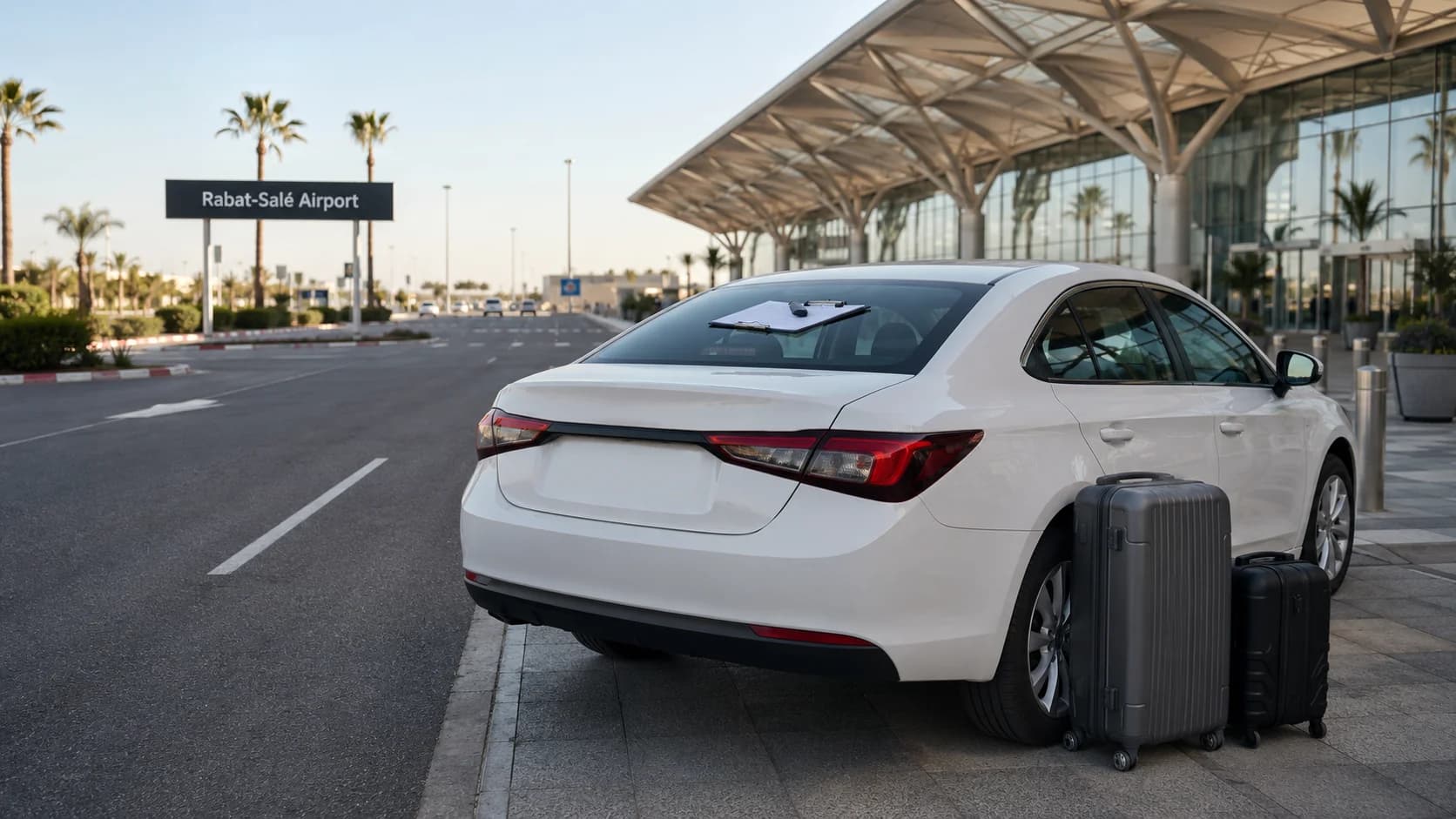
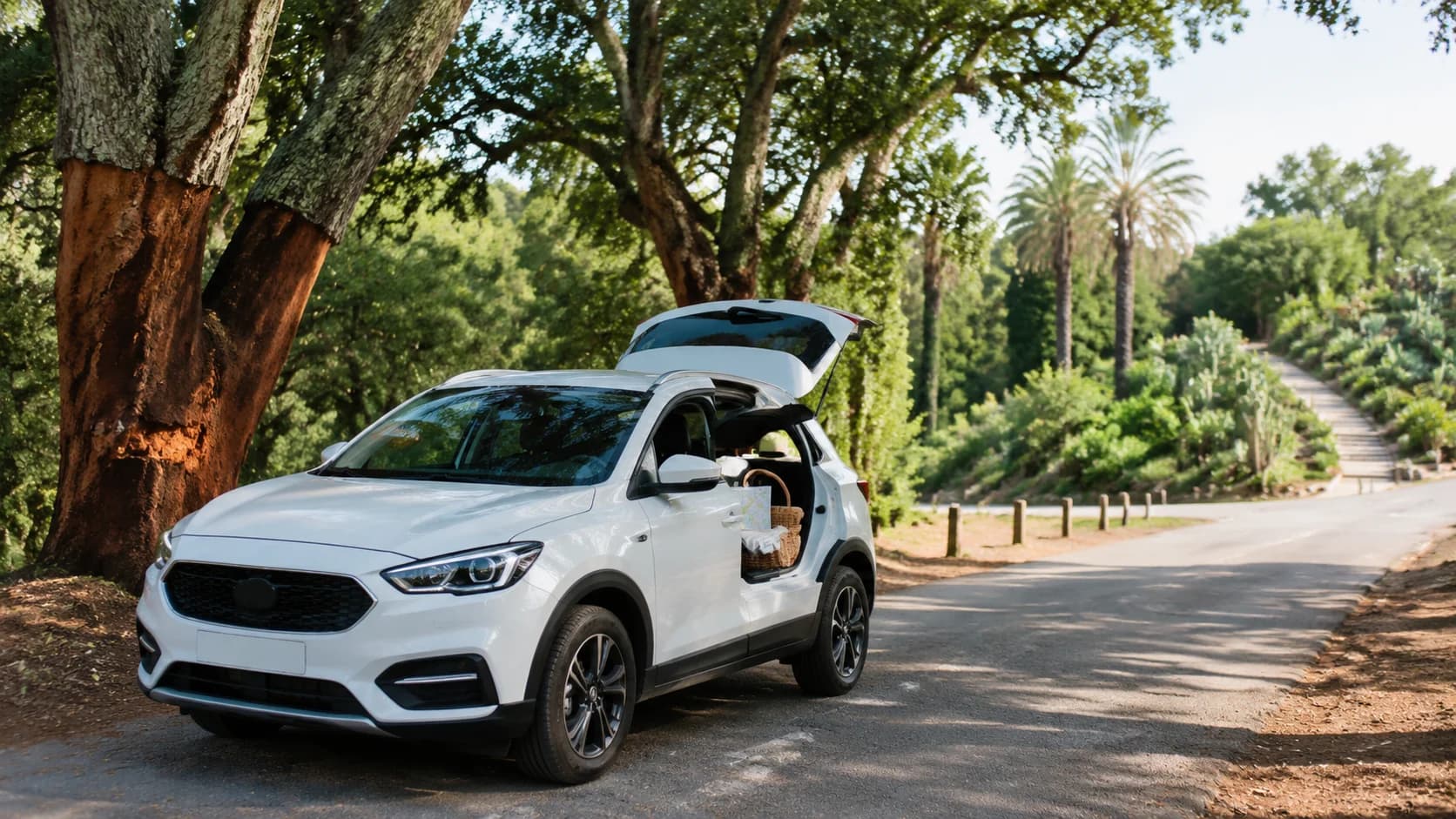
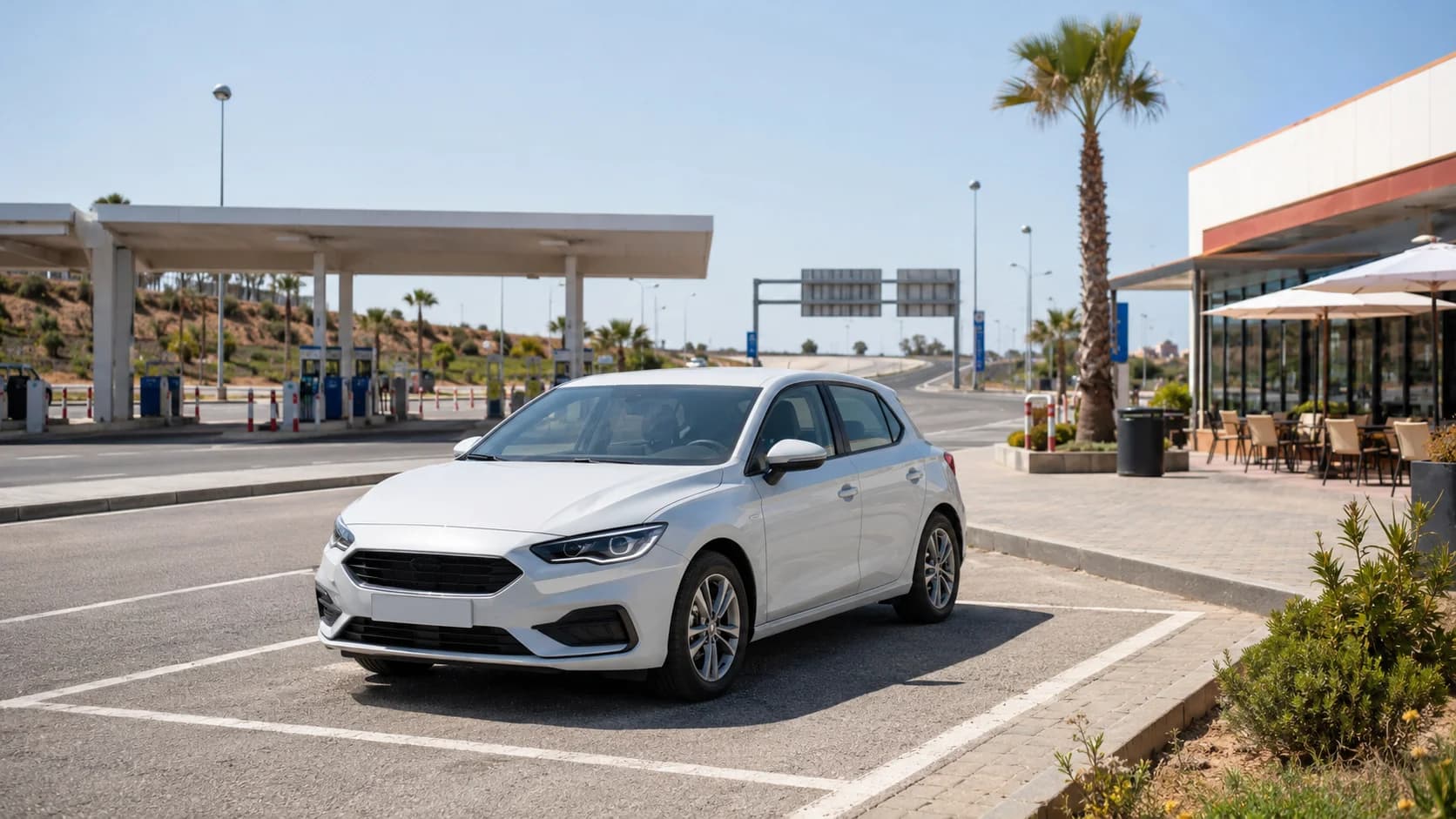
Travelers carrying several suitcases or covering longer intercity routes may find a comfortable sedan rental in Rabat suitable for motorway driving, while groups, families and travelers planning mountain or rural extensions may prefer the additional space of an SUV rental in Rabat.
Food, Toilets and Rest Facilities
One of the most common questions first-time visitors ask is whether Moroccan motorway stops actually have useful facilities.
Yes.
ADM identifies fuel distribution, sanitation facilities, food outlets and other services among the facilities available across its service-area network.
However, individual locations differ.
A major service station may have a café or restaurant, shop and several facilities, while a smaller stop may offer a more limited selection.
For that reason, avoid planning a very specific meal around an unknown roadside stop unless you have checked it beforehand.
A better strategy is to treat motorway areas as places for:
-
Coffee or water
-
Snacks
-
Toilet breaks
-
Stretching
-
Fuel
-
A short driving reset
Then plan important meals separately when necessary.
How Often Should You Stop on Long Drives?
Motorway driving can feel easy because traffic flows more consistently than on city streets or mountain roads. That can also make fatigue harder to notice.
ADM has explicitly advised motorists to take a driving break approximately every two hours.
You should stop sooner if you feel tired.
For a long road trip from Rabat, it is much better to schedule breaks proactively than wait until the driver loses concentration.
A practical routine could be:
First driving block: around 90 minutes to two hours.
Break: approximately 10 to 20 minutes.
Second driving block: continue according to traffic and destination.
During the break, get out of the car, walk briefly, use the toilet, drink water and reassess whether you are comfortable continuing.
Do not rely on coffee to replace rest when you are genuinely fatigued.
Payment and Practical Preparation
Payment is one area where having a backup option is useful.
Morocco's motorway toll network officially accepts several payment methods, including cash, bank cards and the Jawaz electronic toll system.
Fuel stations and shops within service areas are operated by different commercial partners, however, so payment arrangements at an individual business should not automatically be assumed to match motorway toll payment options.
For tourists, carrying both a bank card and some Moroccan dirhams is the safest approach.
Before leaving Rabat, it is useful to have:
-
A working bank card
-
Some Moroccan cash
-
A charged phone
-
Offline or downloaded navigation
-
Water
-
Your rental documents
-
Driver's licence
-
Passport or relevant identification
-
Emergency and rental-company contact details
You do not need to turn the journey into a complicated logistical exercise. The idea is simply to avoid depending on one payment method or one phone connection.
Family and Child-Break Planning
Motorway service areas become particularly useful when traveling with children.
Rather than telling children that the next stop will happen "soon," plan stops around identifiable service areas whenever possible.
A motorway stop gives families an opportunity to:
Use the toilet.
Change or check younger children.
Have drinks and snacks.
Walk around for a few minutes.
Reorganize luggage or items needed inside the car.
Give the driver a genuine break.
Some larger facilities may offer child-friendly amenities. ADM specifically lists children's play facilities among the services provided at the Mnasra service area on the Rabat–Tanger Med corridor.
That does not mean every Moroccan motorway station includes a playground, so treat these facilities as a bonus rather than an expectation.
For family travel, the most important consideration remains building enough flexibility into the schedule.
A journey that theoretically takes three hours should not be planned as if the family must remain inside the car for exactly three uninterrupted hours.
What Changes After Leaving the Motorway?
This is one of the most important parts of road-trip planning in Morocco.
Motorway travel and rural-road travel are not the same.
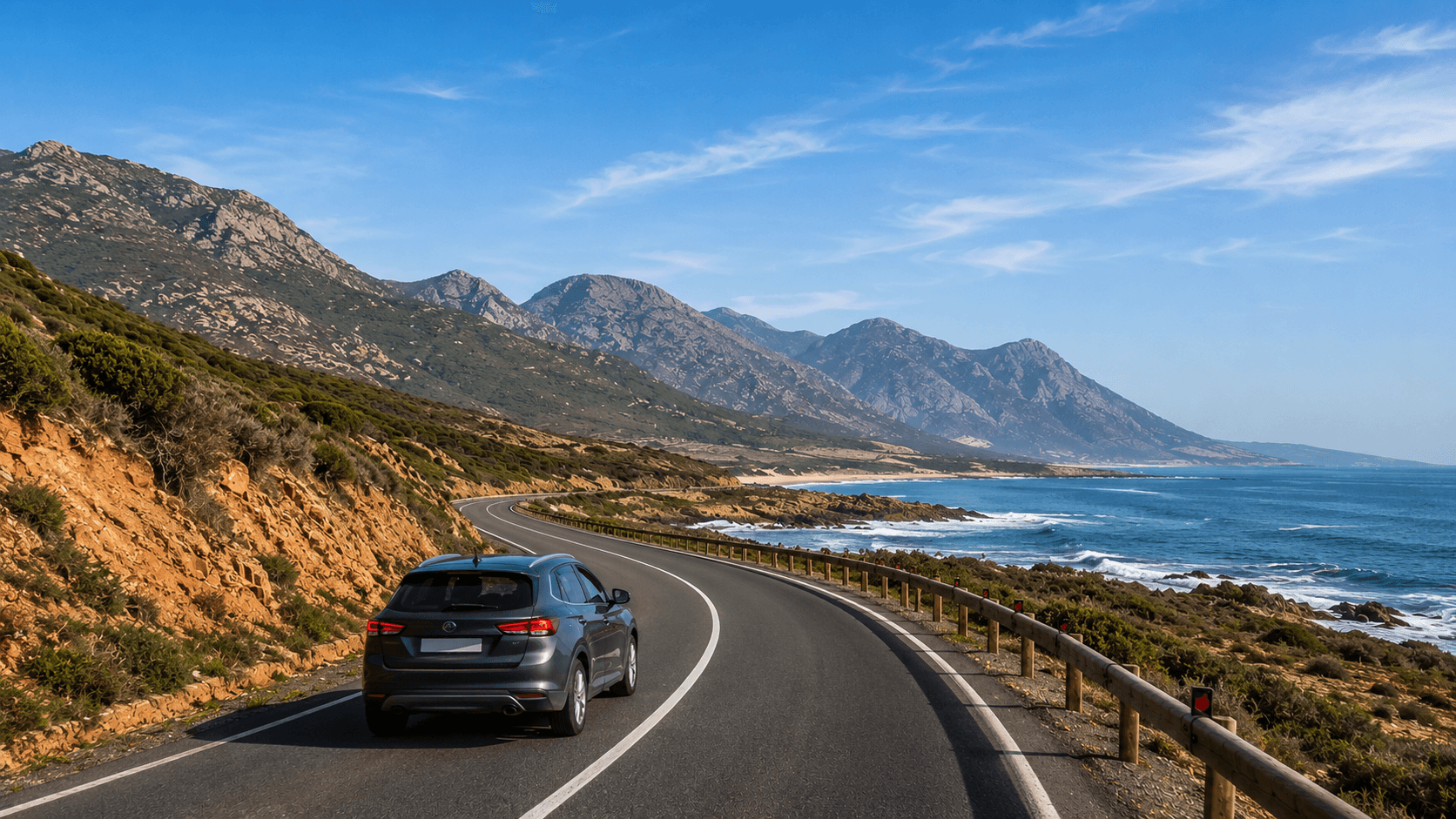
While using the autoroute, fuel and rest opportunities are comparatively structured. Once you leave it, especially for smaller towns, mountain routes, beaches or countryside destinations, services may become less predictable.
You might find plenty of fuel stations on one route but much longer gaps on another.
You may also encounter:
-
Smaller fuel stations
-
Fewer large restaurants
-
Limited late-night services
-
Narrower roads
-
More village traffic
-
Reduced lighting
-
Longer distances between convenient rest stops
That is why the last motorway service area before your exit can be strategically important.
Before Leaving the Motorway, Ask:
Do we have enough fuel?
Does anyone need the toilet?
Do we have drinking water?
Is the phone sufficiently charged?
Do we know the next section of the route?
Will we reach the destination before dark?
This matters particularly when your trip continues beyond a major city onto mountain or rural roads.
If the answer to several of these questions is no, use the motorway facilities before exiting.
Long-Distance Driving From Rabat: Why Service Areas Make It Easier
For first-time visitors, a long Moroccan drive can sound more intimidating before the trip than it feels once underway.
The motorway system gives drivers structured places to pause, and ADM states that its motorway areas are separated by roughly 50 km on average.
That does not mean you should calculate your journey assuming a service station exactly every 50 km. It simply illustrates that proper motorway stops are distributed regularly across the network.
Motorway travel from Rabat therefore becomes much easier when you divide the route into sections rather than thinking of it as one uninterrupted drive.
For example:
Rabat → motorway driving → planned service area → break → second driving section → destination.
This simple mental model is useful for tourists unfamiliar with Morocco.
Road-Trip Service-Area Checklist
Before leaving Rabat, make sure you have:
Fuel: Begin with a reasonable amount rather than depending on the first motorway station.
Cash and card: Carry both whenever possible.
Water: Keep drinking water inside the vehicle.
Navigation: Load the route before departure.
Phone battery: Charge the phone and keep a cable or charger available.
Break plan: Expect to stop around every two hours or sooner if necessary.
Children: Plan additional stops rather than trying to maintain an adult-only driving schedule.
Food: Carry a small snack even when planning to eat at a service area.
Final motorway stop: Refuel and use facilities before continuing into a more remote region.
Rental support: Keep your rental provider's contact information accessible.
FAQs About Morocco Motorway Service Areas
Are there service areas on Moroccan motorways?
Yes. Autoroutes du Maroc currently lists 60 motorway areas across its network, including 58 service areas and 2 rest areas. They are spaced approximately 50 km apart on average.
Can I buy fuel on the motorway?
Yes. Full motorway service areas can include fuel stations. ADM's network list includes numerous petrol-company-operated service areas on routes from Rabat toward Tangier, Casablanca and eastern Morocco.
Do motorway service areas have toilets?
Sanitary facilities are available at motorway service areas, although the exact facilities and condition can vary between locations.
How often should I stop on a long drive?
A sensible rule is to stop around every two hours and sooner if you feel tired. ADM has also advised motorists to take a rest after approximately two hours of driving.
Can I pay by card at fuel stations?
Many modern fuel stations may accept cards, but individual station payment arrangements can vary. Carrying Moroccan dirhams as a backup is sensible. For motorway tolls specifically, ADM lists cash and bank cards among the accepted methods, along with Jawaz and its network card.
Are motorway service areas open late?
ADM states that its motorway service and rest areas are available throughout the year, 24 hours a day and seven days a week. Individual businesses or specific services within an area may have their own operating arrangements.
Where should I stop when driving from Rabat to Tangier?
The Rabat–Tanger Med corridor includes service areas around locations such as Kenitra, Moulay Bousselham, Mnasra and Larache. Availability can depend on your direction of travel, so follow current motorway signage rather than relying only on a predetermined stop.
What should families know about rest stops?
Plan more frequent breaks than you might when traveling alone. Use service areas for toilets, snacks, stretching and reorganizing children's travel items. Some larger motorway areas also have child-oriented facilities.
Should I refuel before leaving the motorway?
If you are heading toward a rural, mountain or less-developed route, refueling before leaving the motorway is often a good idea. It reduces the need to search for fuel later.
Are motorway service areas easy for tourists to use?
Yes. They generally function like conventional motorway service stations: follow the signs, park, refuel or use the facilities, then rejoin the motorway. Carrying both cash and a payment card makes the process even easier.
Final Advice for Using Morocco Motorway Service Areas From Rabat
Using Morocco motorway service areas does not require any special knowledge. The best approach is simply to plan ahead.
Start your journey from Rabat with sufficient fuel, make use of proper service areas before becoming tired, keep cash and a bank card available and consider refueling before leaving the motorway for rural roads.
For longer drives, remember that the fastest journey is not necessarily the journey with the fewest stops. A short break every couple of hours can make the rest of the trip safer and much more comfortable.
Planning a Road Trip From Rabat?
Take longer journeys from Rabat with fewer surprises. Choose MarHire Car Rabat for practical pre-trip support and flexible car-rental options for motorway journeys, city travel and longer road trips across Morocco.
Explore car rental in Rabat, compare a comfortable sedan rental in Rabat, or choose an SUV rental in Rabat for additional passenger and luggage space.