



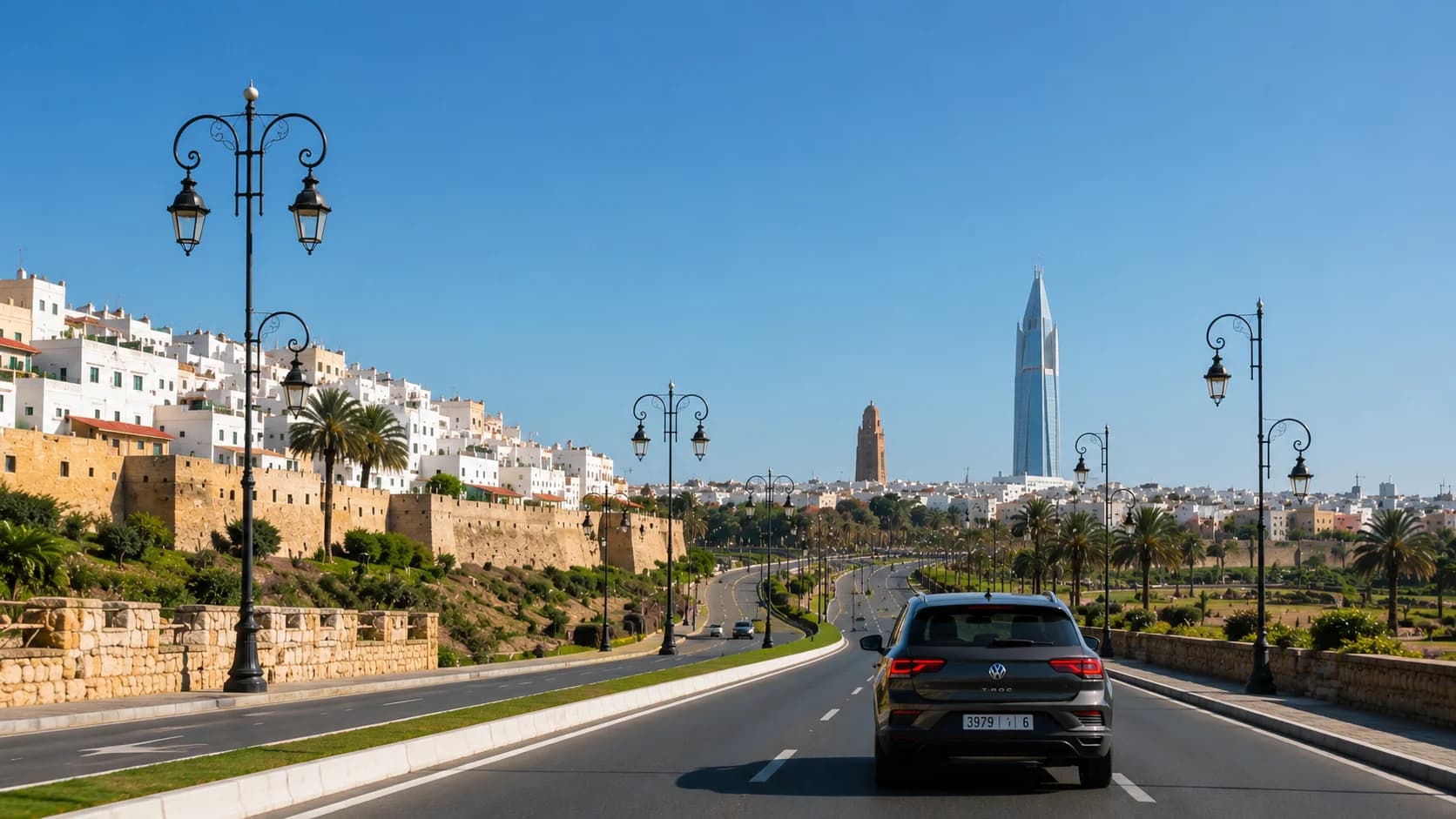
Driving in Rabat is often much easier than first-time visitors expect. As Morocco's capital city, Rabat benefits from modern roads, organized traffic systems, well-maintained highways, and clearer driving conditions than some of the country's larger metropolitan areas. For travelers planning to explore Rabat and nearby destinations such as Casablanca, Meknes, Chefchaouen, or Fes, renting a car offers flexibility and convenience that public transport cannot always provide.
The good news is that most tourists adapt quickly to driving in Rabat. Understanding local road rules, speed limits, parking habits, and driving etiquette will help you feel confident behind the wheel from your first day.
Table of Contents
- Is it safe and easy to drive in Rabat?
- Which side of the road and basic rules
- Speed limits and how they're enforced
- Road quality in Rabat and Morocco
- Automatic vs manual: what should you rent?
- Understanding Rabat road signs
- City driving vs intercity driving
- Night driving and what to avoid
- What documents to keep in the car
- Local etiquette and unwritten road rules
- Common mistakes first-time visitors make
- Renting a car in Rabat
- FAQ
Is It Safe and Easy to Drive in Rabat?
For most visitors, the answer is yes.
Compared with cities such as Casablanca and Marrakech, Rabat generally offers calmer traffic, wider boulevards, and a more organized road network. Many visitors who feel nervous before arriving discover that driving becomes comfortable after only a few hours.
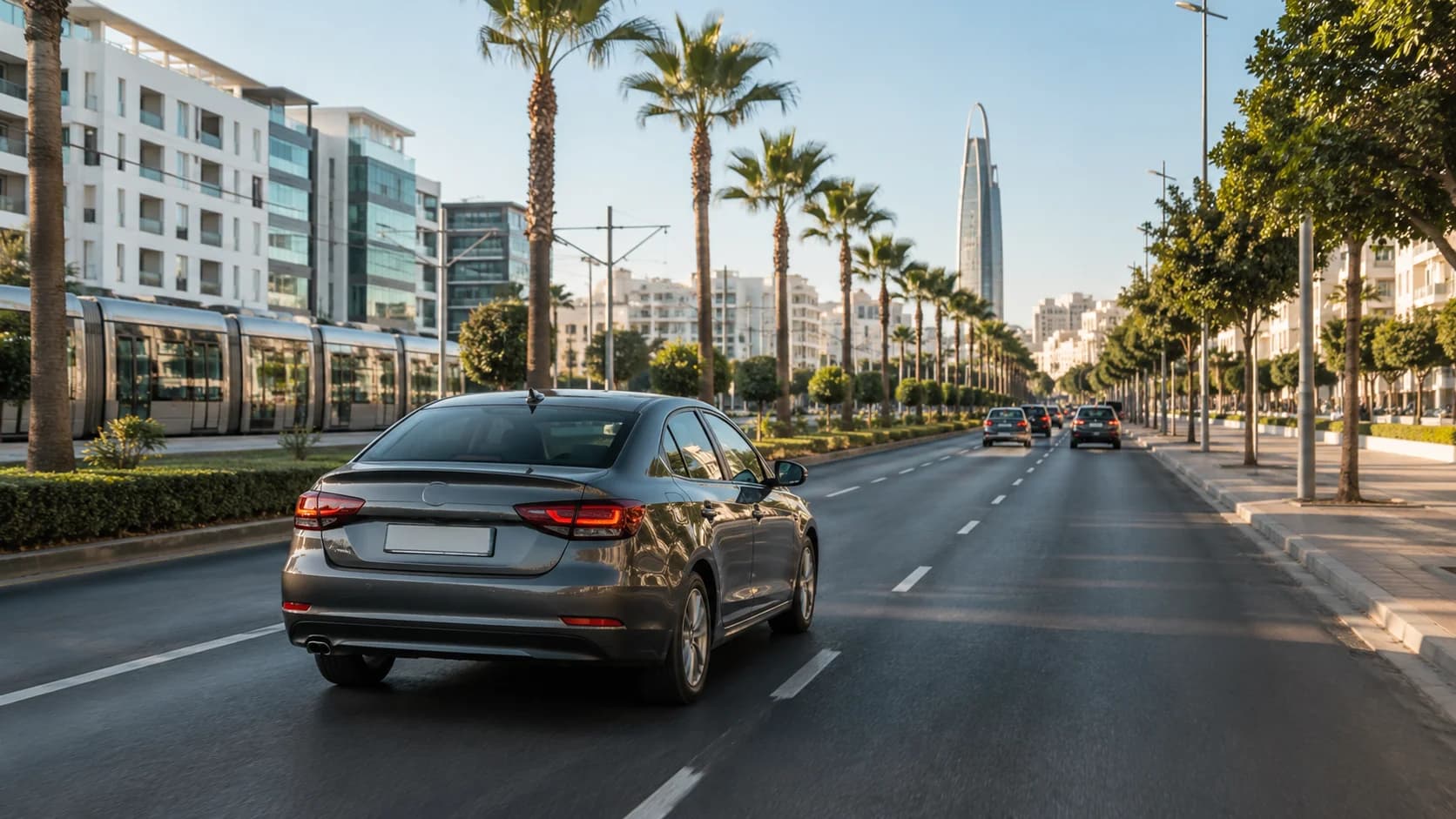
The city's modern urban planning contributes significantly to easier navigation. Main roads are clearly marked, roundabouts are generally well maintained, and major attractions are connected by straightforward routes.
Safety levels are generally good when drivers follow local regulations and remain attentive. Morocco has invested heavily in road infrastructure over the past decade, resulting in safer highways and improved road conditions across the country. According to the official Moroccan highway operator, the national motorway network now connects most major cities through modern toll roads, making long-distance driving significantly easier than in the past.
Some challenges first-time drivers may notice include:
- Busy roundabouts
- Scooters filtering through traffic
- Pedestrians crossing unexpectedly
- Occasional aggressive lane changes
- Heavy traffic during rush hours
However, these situations are manageable with patience and defensive driving.
Which Side of the Road and Basic Rules
One of the most common questions about driving in Rabat is which side of the road vehicles use.
Morocco drives on the right-hand side of the road.
The steering wheel is therefore located on the left side of the vehicle, similar to most European countries and North America.
Basic driving rules include:
- Drive on the right
- Overtake on the left
- Wear seat belts at all times
- Use hands-free systems for phone calls
- Carry required documents in the vehicle
- Obey posted speed limits
- Yield when signs indicate priority
Roundabouts are extremely common in Rabat. Drivers already inside the roundabout usually have priority, although it is always wise to remain cautious and observe local traffic flow.
Traffic lights are respected more consistently than many visitors expect, especially in central Rabat.
Speed Limits and How They're Enforced
Speed enforcement in Morocco is taken seriously.
Speed cameras and police checkpoints are common on major roads and highways.
Typical limits include:
| Road Type | Speed Limit |
|---|---|
| Urban areas | 50–60 km/h |
| Rural roads | 80–100 km/h |
| Highways | 120 km/h |
Limits can vary depending on location and road conditions, so always follow posted signs.
Police checkpoints are normal throughout Morocco and should not cause concern. Officers may ask to see:
- Driving licence
- Passport copy
- Rental agreement
- Vehicle registration
Most checks take only a few minutes.
The Moroccan road safety agency regularly publishes guidance regarding speed enforcement and traffic safety, which helps explain why speed compliance is taken seriously throughout the country.
Road Quality: Cities, Highways and Mountain Roads
One reason many tourists enjoy driving in Rabat is the overall quality of roads.
City Roads
Most roads within Rabat are paved and maintained to a good standard.
Major avenues are generally smooth and clearly marked.
Highways
Morocco's highway system is among the best in Africa.
Routes connecting Rabat to Casablanca, Tangier, Fes and Marrakech are modern toll motorways with excellent surfaces and service stations.
These highways make longer journeys comfortable and predictable.
Mountain Roads
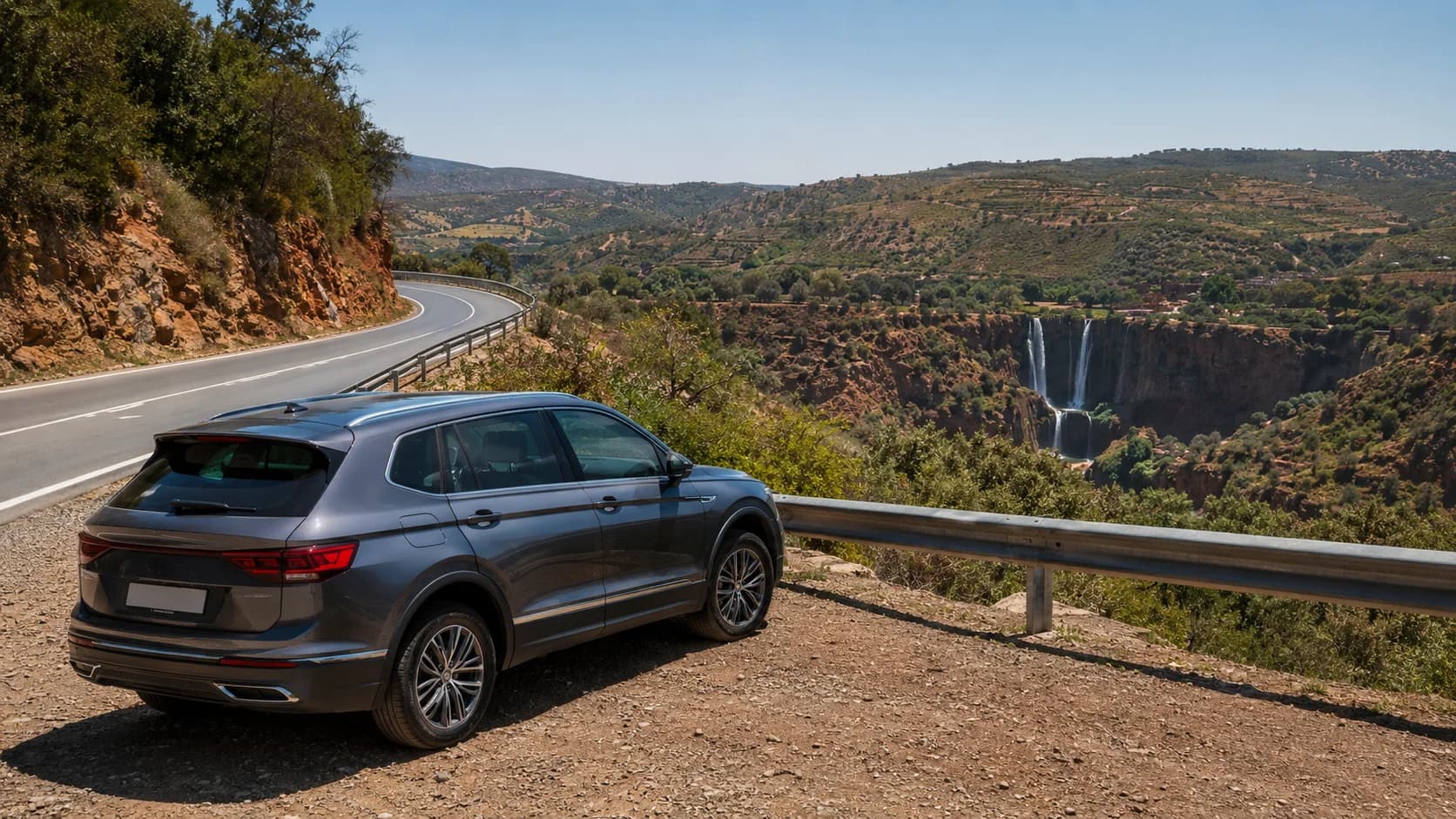
Mountain routes toward Chefchaouen, the Rif Mountains or the Atlas Mountains require additional caution.
Drivers may encounter:
- Sharp bends
- Steep gradients
- Narrow sections
- Fog during winter months
Although road conditions are generally good, mountain driving requires slower speeds and greater concentration.
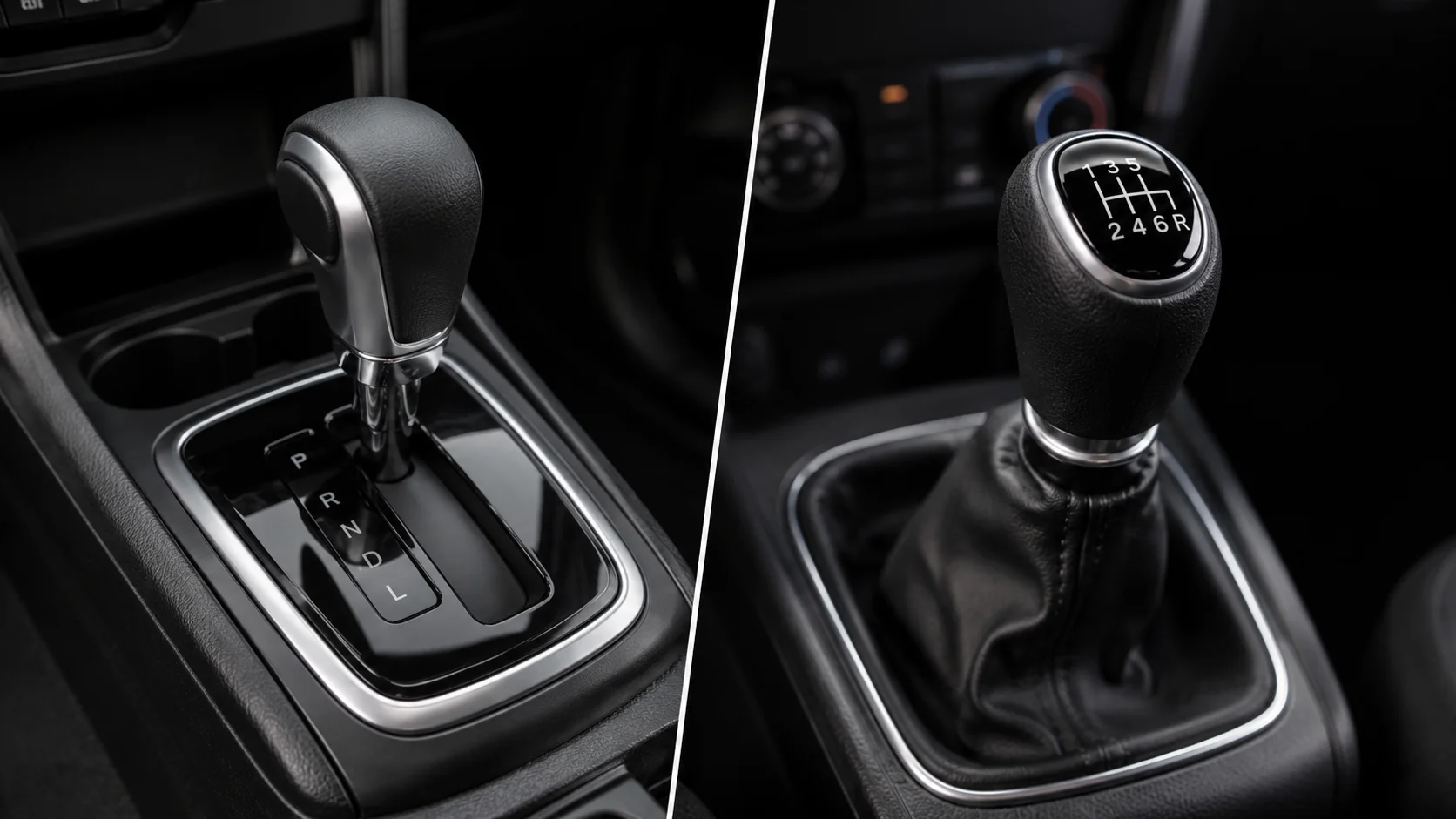
Automatic vs Manual: What Should You Rent?
Many rental vehicles in Morocco are manual transmission.
European travelers often find this familiar, but visitors from North America, Australia, and some Gulf countries may prefer automatic vehicles.
Advantages of Automatic Cars
- Easier city driving
- Less stress in traffic
- Better for first-time visitors
- More comfortable in roundabouts
Advantages of Manual Cars
- Lower rental prices
- Greater availability
- Slightly better fuel efficiency
For nervous drivers visiting Morocco for the first time, an automatic hatchback is often the easiest option.
You can compare practical city vehicles through the internal hatchback category.
Understanding Rabat Road Signs
Most road signs in Rabat use international symbols, making them relatively easy for tourists to understand.
You'll commonly see information displayed in:
- French
- Arabic
- Universal traffic symbols
Important words include:
| French | Meaning |
| Stop | Stop |
| Cédez le passage | Give way |
| Sens interdit | No entry |
| Parking | Parking |
| Sortie | Exit |
| Centre Ville | City Centre |
Because many signs rely on symbols rather than language, tourists usually adapt quickly.
City Driving vs Intercity Driving
Driving Inside Rabat
City driving involves:
- Traffic lights
- Roundabouts
- Pedestrian crossings
- Parking searches
Patience is often more important than speed.
Rush hour is typically busiest:
- 07:30–09:30
- 17:00–19:30
Driving Between Cities
Intercity driving is generally easier.
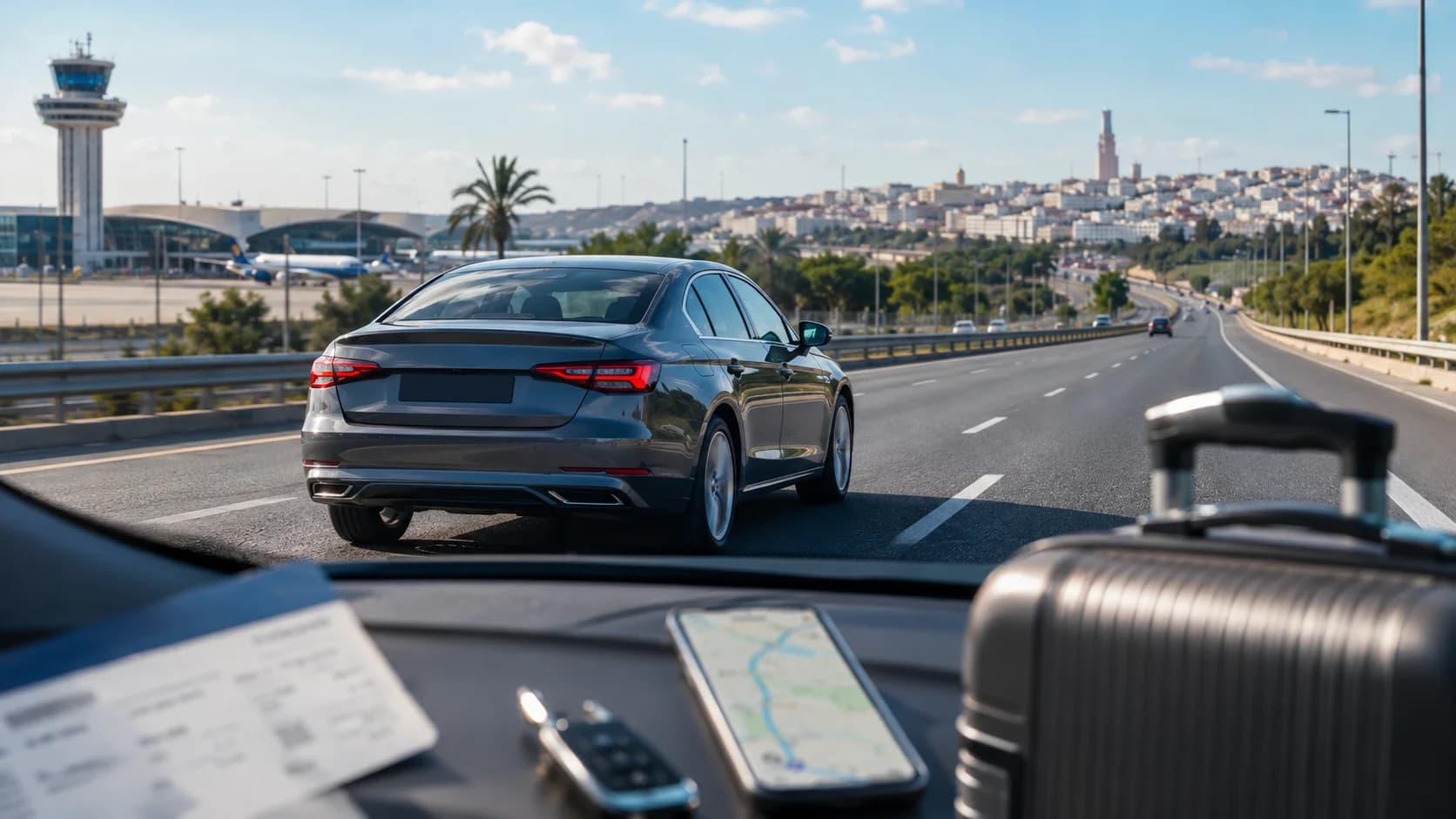
Major routes between Rabat and cities such as Casablanca, Fes, Meknes, and Tangier use high-quality motorways with predictable traffic patterns.
Many visitors find highway driving considerably less stressful than city driving.
Night Driving and What to Avoid
Night driving in Rabat itself is usually straightforward.
Road lighting is good in central areas and major avenues remain active well into the evening.
However, extra caution is recommended when driving outside urban areas.
Potential hazards include:
- Reduced visibility
- Unlit vehicles
- Pedestrians near rural roads
- Animals crossing roads
- Fog in mountain regions
If you're unfamiliar with the route, daytime driving is usually the most comfortable option.
What Documents to Keep in the Car
When renting a vehicle in Rabat, keep these documents accessible:
- Driving licence
- Passport or copy
- Rental contract
- Vehicle registration
- Insurance documentation
Visitors from countries using non-Latin licences may need an International Driving Permit depending on nationality and licence format.
Always verify requirements before travel.
Local Etiquette and Unwritten Road Rules
Understanding local habits can make driving in Rabat much smoother.
Use the Horn Sparingly
Many local drivers use the horn as communication rather than aggression.
A quick horn tap often simply means:
- I'm here
- I'm passing
- Thank you
Be Patient at Roundabouts
Traffic flow may appear more flexible than in some Western countries.
Observe carefully before entering.
Expect Pedestrians
Pedestrians frequently cross roads outside designated crossings.
Always remain alert.
Stay Calm
Driving confidently and predictably is often more effective than driving aggressively.
Common Mistakes First-Time Visitors Make
Driving Too Fast on Open Roads
High-quality highways can create a false sense of security.
Always respect posted limits.
Underestimating Roundabouts
Large roundabouts require attention and lane discipline.
Ignoring Parking Rules
Use designated parking areas whenever possible.
Choosing the Wrong Vehicle
Travelers planning city-only driving often save money with smaller vehicles instead of larger SUVs.
Renting a Car in Rabat
For first-time visitors, choosing a simple and transparent rental process removes much of the stress associated with driving abroad.
Budget-conscious travelers can explore:
Travelers looking for flexible booking conditions can also consider:
Modern vehicles, clear insurance coverage, unlimited kilometres and local support all contribute to a more enjoyable driving experience.
Final Thoughts
Driving in Rabat is one of the easiest ways to explore Morocco independently. The city offers manageable traffic, modern infrastructure, and excellent highway connections to destinations throughout the country.
Most visitors adapt quickly, especially when they understand local road rules, speed limits, parking habits, and driving etiquette before arriving.
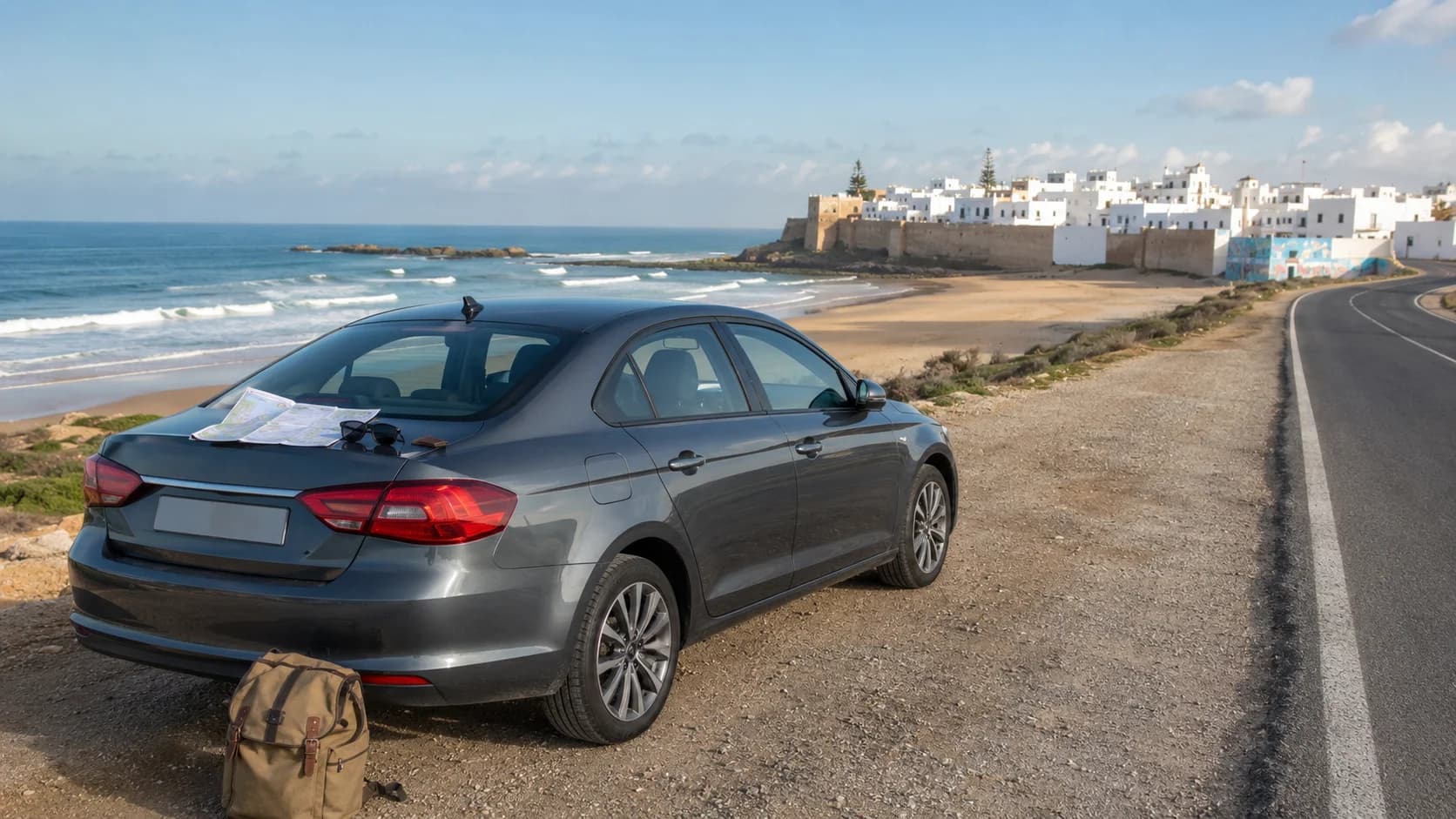
With a little preparation, renting a car can transform a Morocco trip from a city break into a much richer travel experience, allowing you to discover coastal towns, mountain villages, imperial cities and scenic landscapes at your own pace.
First time driving in Rabat? MarHire Car Rabat keeps it simple with new-model vehicles, full insurance included, unlimited kilometres and 24/7 WhatsApp support whenever you need assistance on the road.
FAQ
Is it safe to drive in Rabat as a tourist?
Yes. Rabat is generally considered one of Morocco's easiest cities for tourists to drive in thanks to its organized road network, modern infrastructure and relatively calm traffic compared with larger cities.
Do you drive on the left or right in Rabat?
Drivers use the right-hand side of the road throughout Rabat and Morocco.
Do I need an International Driving Permit in Rabat?
It depends on your nationality and licence format. Many visitors can drive using their home licence, while others may require an International Driving Permit.
Are automatic cars available to rent in Rabat?
Yes. Automatic vehicles are available, although manual cars remain more common and often cost less.
Are highways in Morocco safe?
Major highways connecting Rabat with Casablanca, Tangier, Fes and Marrakech are modern, well maintained and generally considered safe for tourists.
Is parking difficult in Rabat?
Parking is usually easier than in Casablanca or Marrakech. Many areas offer paid parking and supervised parking attendants.
What is the best rental car for first-time visitors?
A compact automatic hatchback is often the easiest option for city driving, parking and day trips.
Can tourists drive from Rabat to Chefchaouen or Marrakech?
Absolutely. Both destinations are popular road trips from Rabat and are accessible through good-quality roads and highways.
Are road signs in English?
Most signs use French, Arabic and international symbols. Visitors usually find them easy to understand.
Should I drive at night in Morocco?
Night driving is possible, but first-time visitors often feel more comfortable travelling during daylight hours, especially on unfamiliar rural or mountain roads.