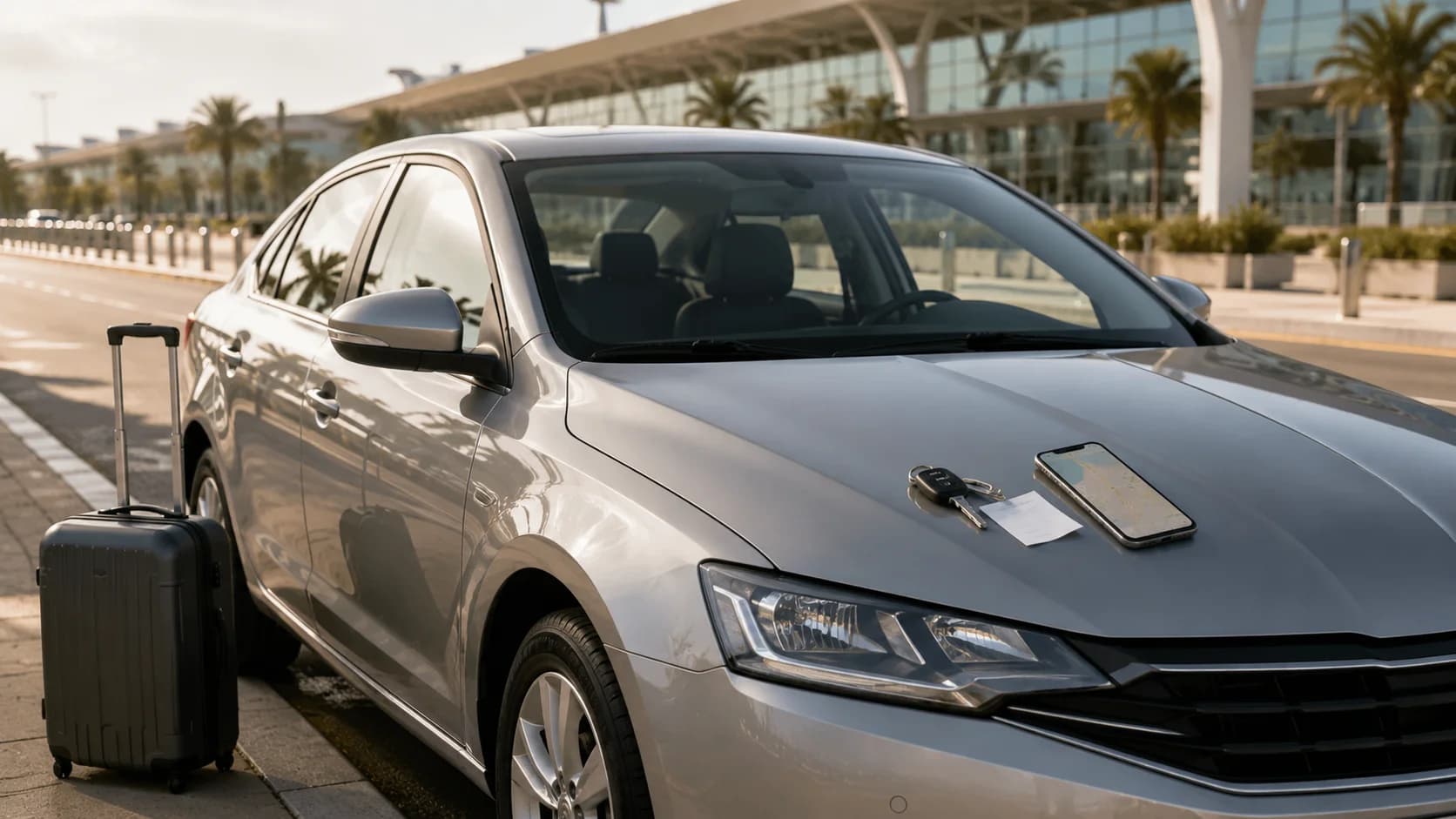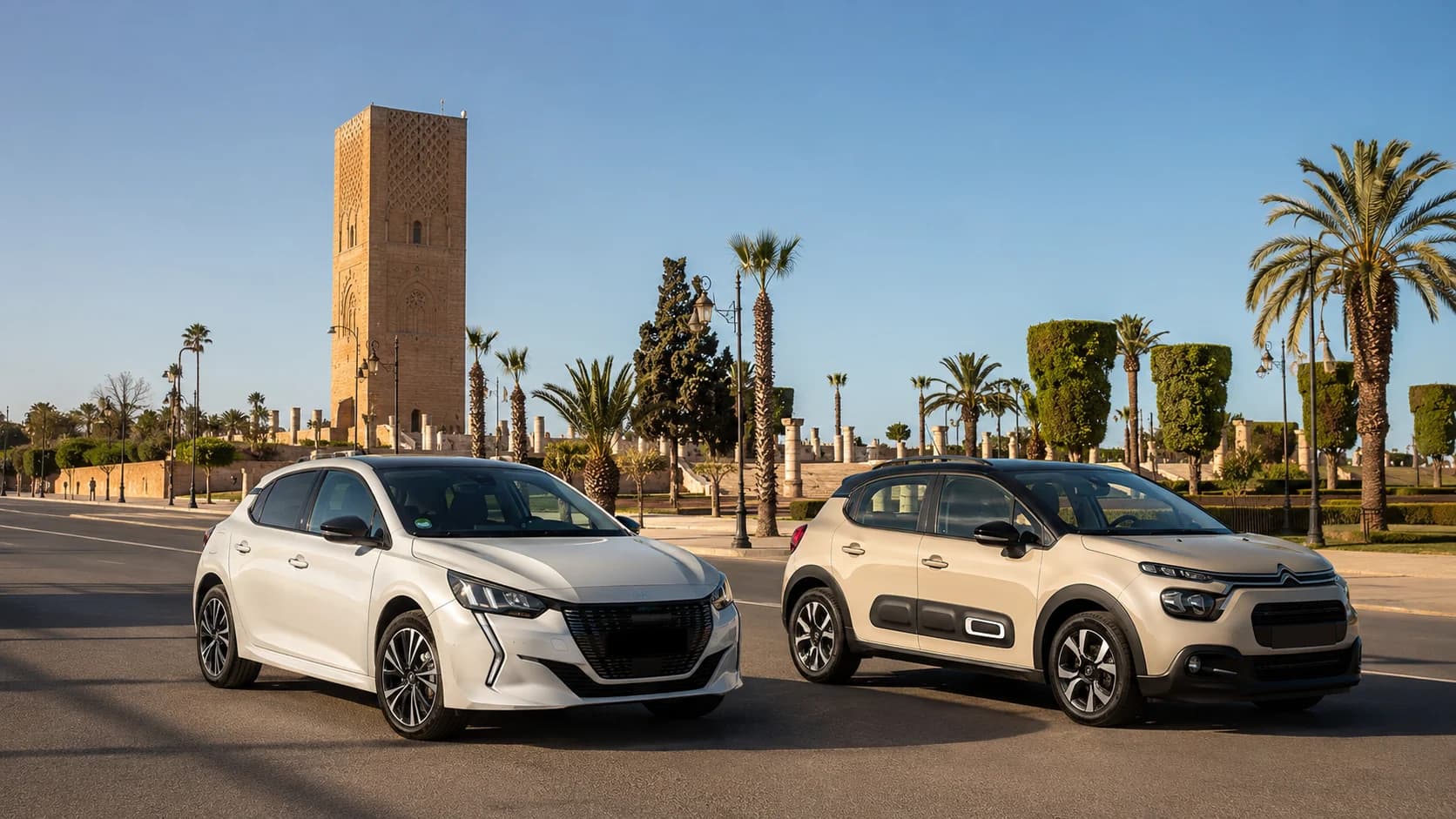







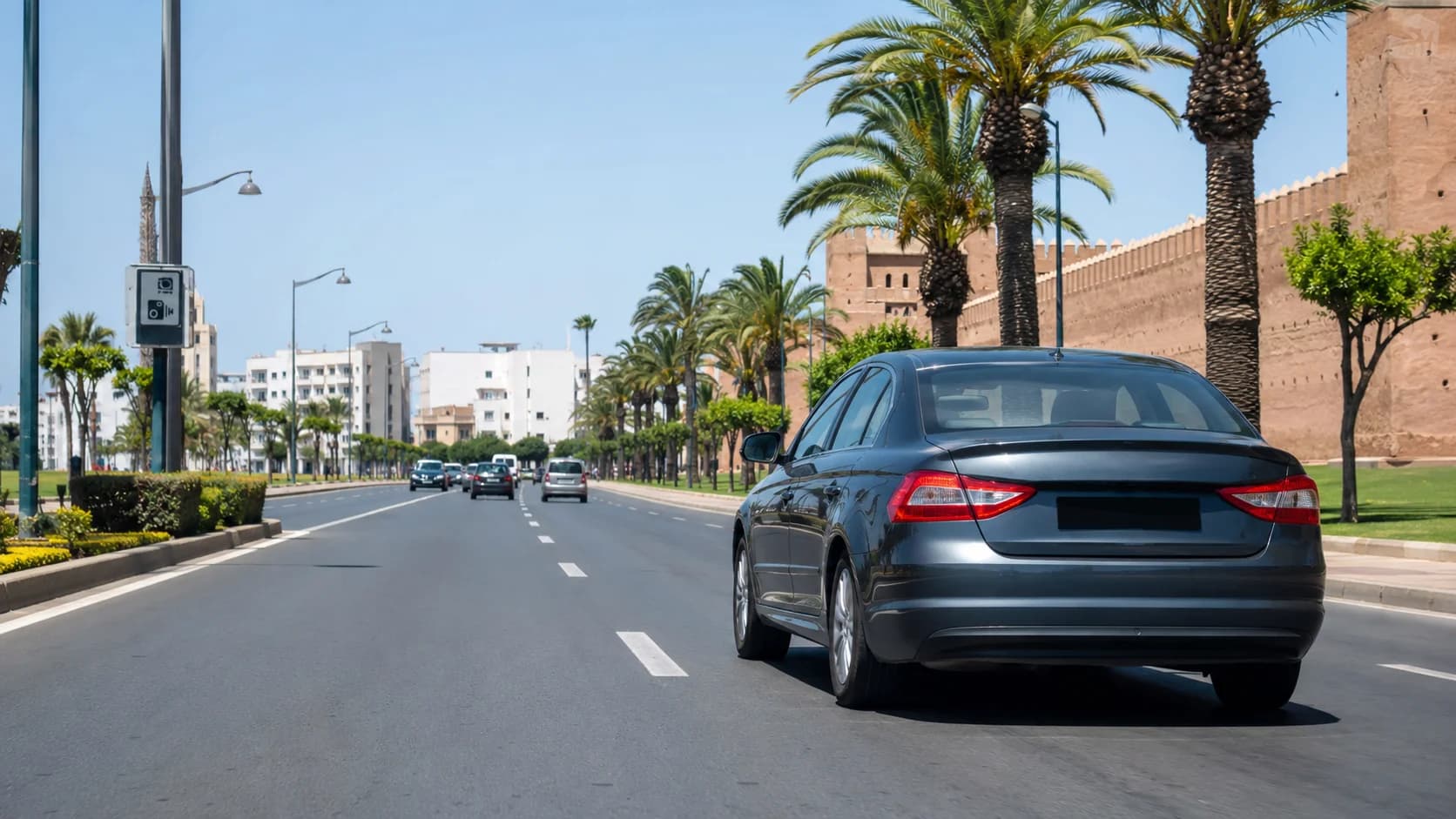
Morocco speed limits are usually simple for visitors to remember: up to 60 km/h in many urban areas, around 80 to 100 km/h on national roads depending on signs, and 120 km/h on motorways. NARSA, Morocco’s road safety authority, notes that urban limits may also be lower in some areas, including 20 or 40 km/h, national roads are often 80 km/h with some sections at 100 km/h, and motorways are limited to 120 km/h.
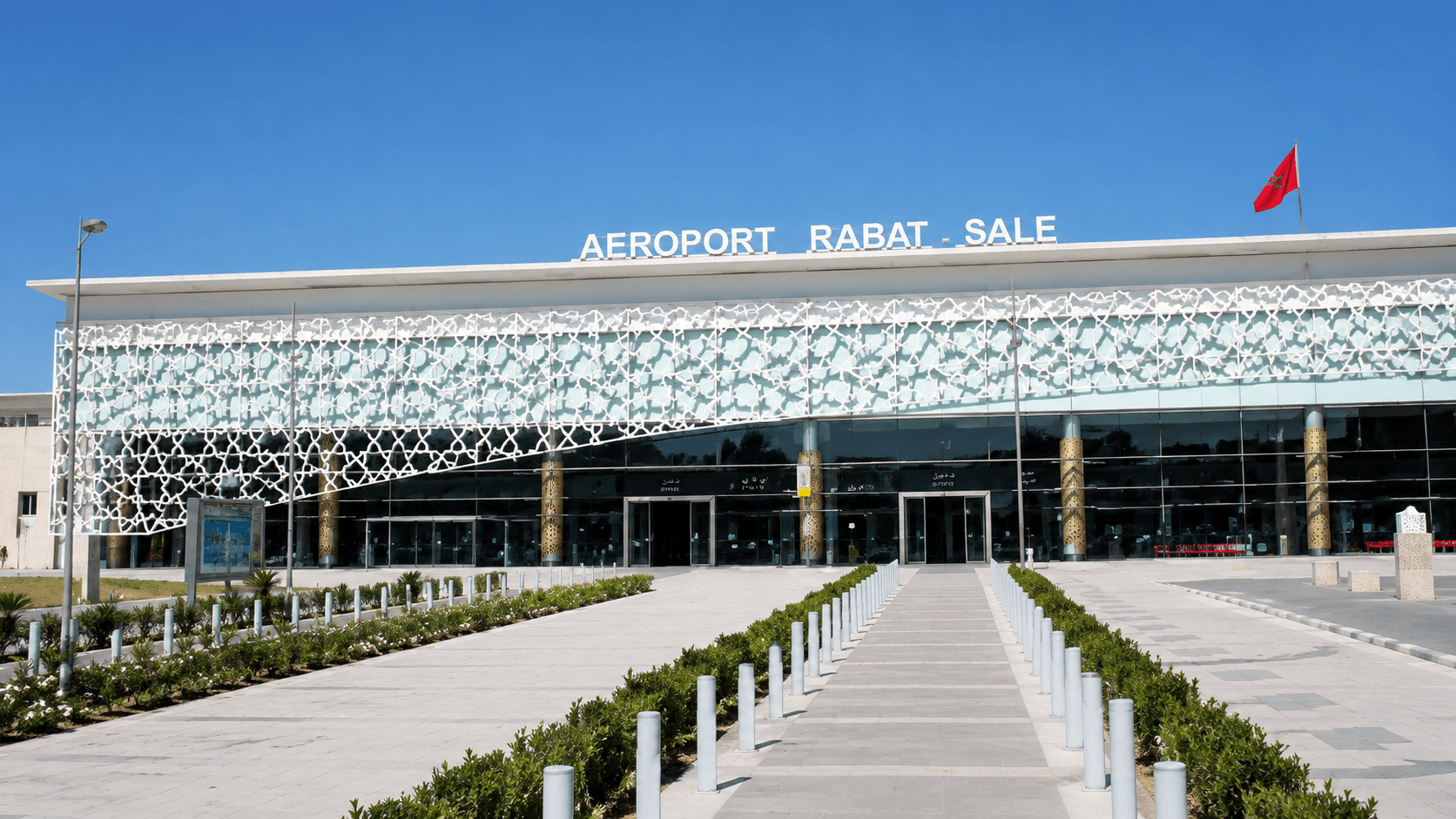
For drivers starting in Rabat, the most important habit is to follow the road signs, not only the general rule. Rabat has city traffic, tram zones, school areas, wide boulevards, exits toward Temara and Salé, and fast motorway connections. That mix means the limit can change quickly.
Table of Contents
-
The three core speed limits
-
City limits inside Rabat
-
National road limits
-
Motorway limits
-
Fixed and mobile radars
-
Police checkpoints and stops
-
On-the-spot fines explained
-
What happens with a rental car
-
Other key rules
-
FAQ
The Three Core Speed Limits in Morocco
Most visitors search for Morocco speed limits because they want one clear answer before getting behind the wheel. The easy version is:
60 km/h in many urban areas
100 km/h on many roads outside cities
120 km/h on motorways
That simple 60 / 100 / 120 rule helps, but it is not enough by itself. In Morocco, signs always matter more than the general habit. NARSA explains that urban limits can be 20, 40 or 60 km/h depending on the area. National roads are generally 80 km/h, with some sections allowing 100 km/h, while motorways are 120 km/h.
This matters a lot around Rabat. You can move from a calm residential street to a wide boulevard, then to a motorway slip road in a short distance. A safe driver does not guess. A safe driver checks the signs, slows down before junctions, and leaves extra space near taxis, buses, scooters and pedestrians.
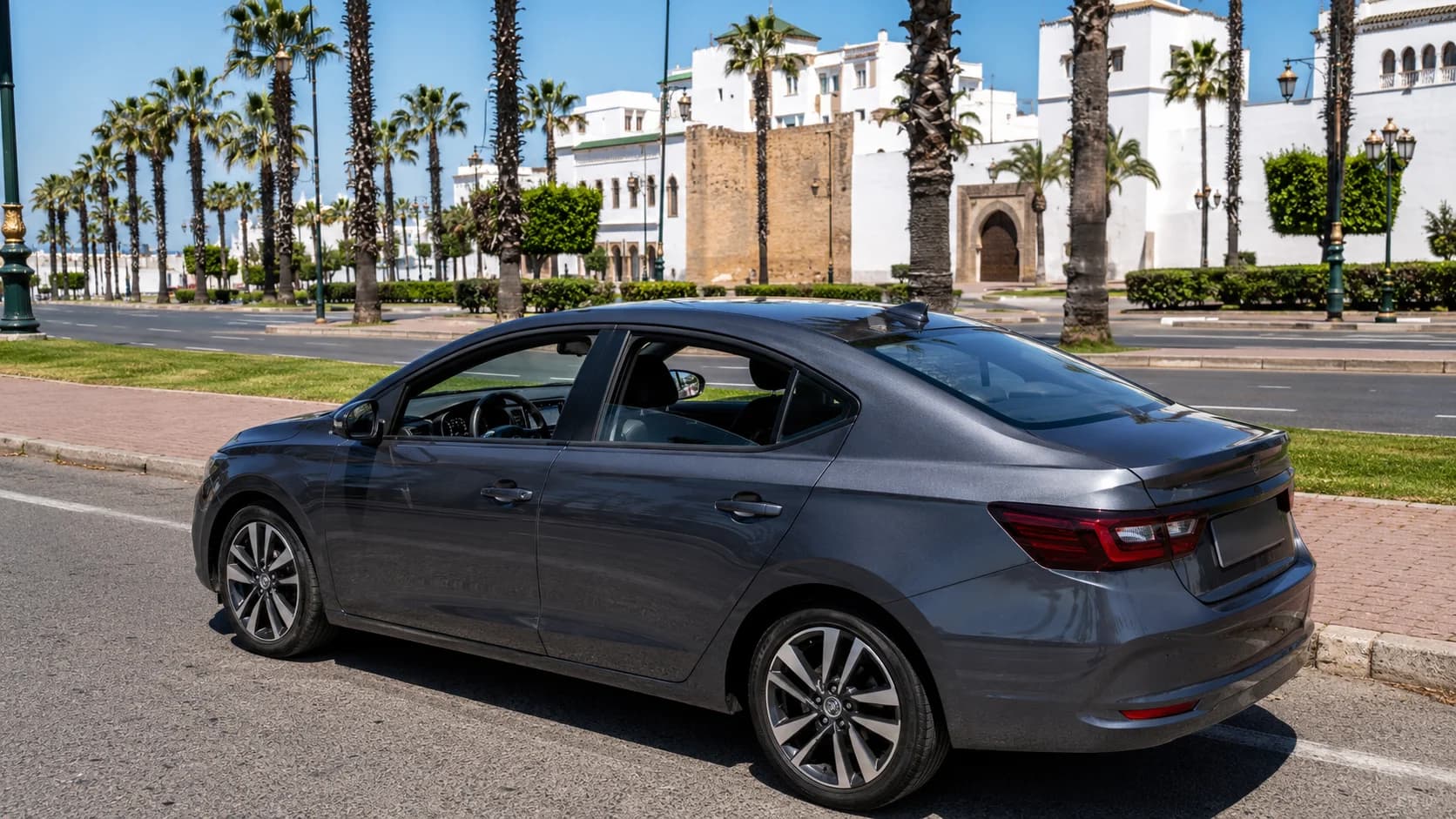
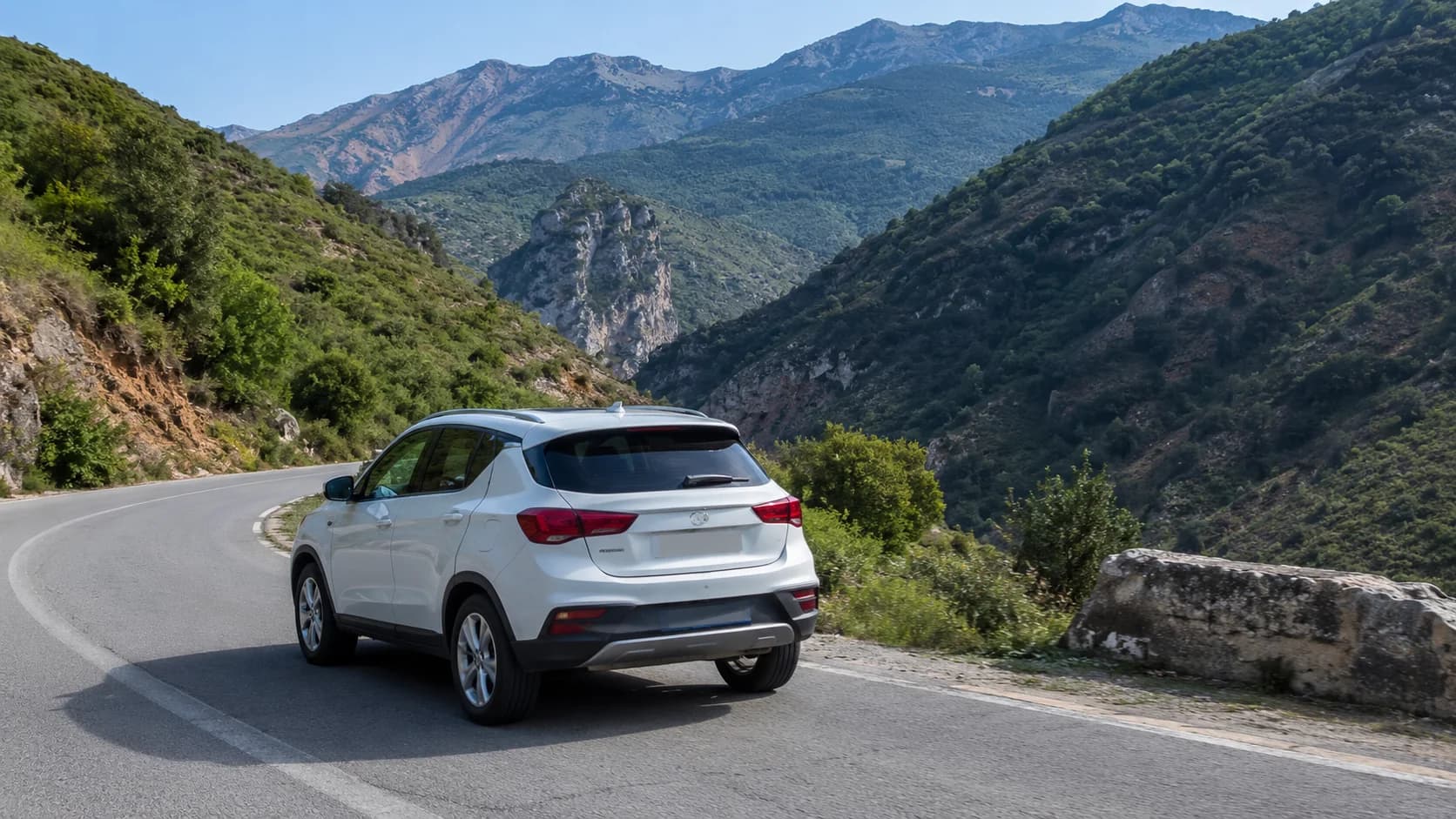
If you rent a car in Rabat, choose a vehicle that feels stable and easy to control. A compact or sedan is usually enough for city and motorway driving, while an SUV can feel more comfortable if you plan longer routes outside Rabat.
For simple city and motorway use, you can compare sedan rental Rabat. For lower-cost trips, cheap car rental Rabat is usually the most practical option.
City Limits Inside Rabat
Rabat is easier to drive than some Moroccan cities, but you still need to stay alert. The city has wide roads, government areas, residential streets, tramway crossings, roundabouts, school zones and busy pedestrian areas. In many urban areas, you should expect limits around 60 km/h, but lower limits may appear near schools, crossings, narrow streets and traffic-calming zones.
The safest approach inside Rabat is simple: drive slower than you think you need to. Do not treat every wide boulevard like a fast road. A road may look open, but the limit can still be urban. Speed cameras and police controls may also appear where drivers naturally speed up.
Be especially careful around:
Agdal and Hay Riad boulevards
City exits toward Temara, Salé and Kenitra
Tramway crossings
School zones and pedestrian crossings
Roundabouts and multi-lane junctions
Hotel and station pickup areas
If you are new to Rabat, keep your speed steady and avoid sudden lane changes. Local traffic can move quickly, but that does not mean you should copy every driver around you. The safest driver is the one who reads the signs and keeps enough space to react.
National Road Limits Outside Rabat
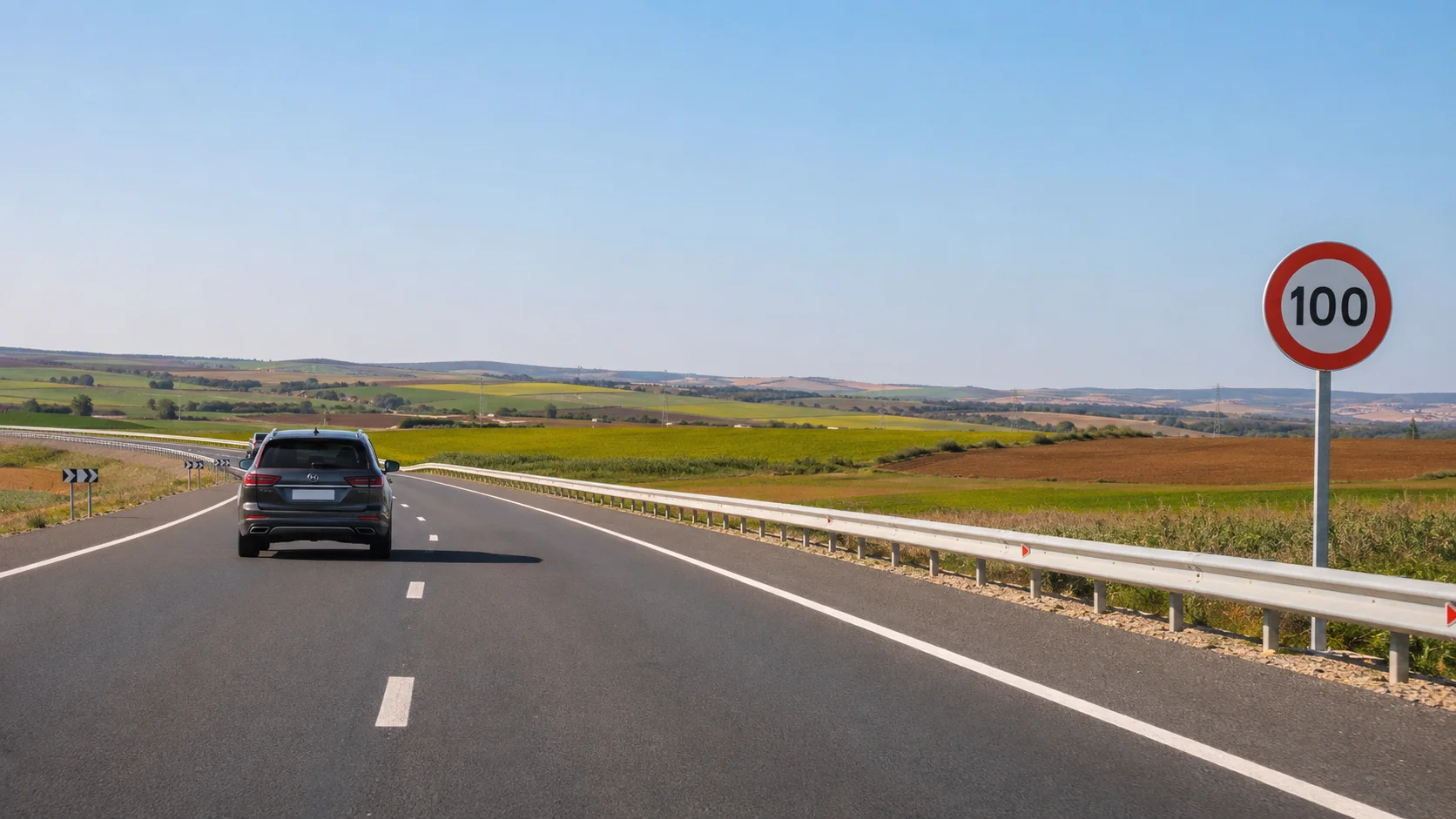
National roads, often called N-roads, connect Rabat with coastal towns, inland cities and smaller destinations. These roads can feel comfortable, but they are not motorways. They may include roundabouts, villages, agricultural vehicles, pedestrians, buses, trucks and sudden speed-limit changes.
On these roads, the speed limit is often 80 or 100 km/h depending on the section and the posted signs. NARSA states that national roads are generally 80 km/h, although some sections may allow 100 km/h.
This is where many visitors get caught by radar. The road may feel open, then suddenly pass through a village or roadside settlement. The limit may drop before houses, shops, a school, a market area or a police control. If you continue at the previous speed, even for a short distance, you can be stopped.
When driving outside Rabat on national roads, slow down before:
Village entrances
Roundabouts
Roadworks
Fuel stations
Markets and roadside shops
School areas
Police or gendarmerie checkpoints
Long straight sections where mobile radar may be used
A good rule is to reduce speed early when you see buildings, signs or parked vehicles ahead. Many radar controls are placed where drivers fail to slow down between open road and populated area.
Motorway Limits: A1, A2 and A3
Moroccan motorways are usually the easiest roads for visitors. They are separated, signed, tolled and more predictable than two-lane national roads. The maximum speed on Moroccan motorways is 120 km/h, but you still need to respect temporary limits near toll plazas, roadworks, exits, heavy rain or traffic.
From Rabat, the main motorway routes include A1 and A2. ADM lists A1 as Rabat to Safi, including the Rabat to Casablanca section, and A2 as Rabat to Oujda, including the route toward Meknes and Fes. ADM also lists A3 as Casablanca to Agadir, which drivers from Rabat may join after heading south via Casablanca.
For practical Rabat trips, this means:
A1 is useful for Casablanca, Mohammedia, El Jadida and Safi routes.
A2 is useful for Meknes, Fes, Taza and Oujda routes.
A3 becomes relevant if you continue beyond Casablanca toward Marrakech or Agadir.
Motorway driving feels easier, but fines still happen. Watch your speed near toll areas, service stations and exits. Do not accelerate too early after toll booths. Do not overtake on the right. Keep a safe distance, especially when trucks are climbing or when traffic slows near Rabat, Casablanca or Kenitra.
For longer trips with luggage or family, SUV rental Rabat can give more comfort, especially if you plan to combine motorway driving with countryside routes.
Fixed and Mobile Radars in Morocco
Yes, there are speed cameras in Morocco. Drivers should expect both fixed radars and mobile controls. Fixed radars are usually placed on roads where speeding is common or dangerous. Mobile radars can appear on national roads, city exits, straight sections, village approaches and near police or gendarmerie checkpoints.
NARSA’s infractions platform allows users to consult notices for violations detected by automatic radars, including the radar photo and payment status. It also allows electronic payment for fines linked to automatic radar violations.
Common radar areas include:
City exits where drivers accelerate too early
Straight national roads outside towns
Approaches to villages
Motorway sections before toll stations
Roads near schools and crossings
Wide urban boulevards that feel faster than they are
Do not wait until you see a radar to slow down. In Morocco, the correct habit is to drive according to signs from the beginning. Speeding for “only a few seconds” can still be enough for a fine.
Police Checkpoints and Stops
Police and gendarmerie checkpoints are normal in Morocco. They are not always related to a problem. Sometimes they are checking documents, seat belts, insurance, speed, vehicle condition or traffic flow.
When you approach a checkpoint, slow down early, stay calm, lower your window and wait for instructions. Do not make sudden movements, do not argue, and do not try to pass unless the officer clearly waves you through.
For a rental car, keep these documents easy to reach:
Driving licence
Passport or ID
Rental contract
Vehicle registration copy if provided
Insurance document if provided
Emergency contact from the rental agency
A calm stop usually takes only a short time. If there is a fine, ask politely for the official amount and receipt. Keep the receipt, especially when driving a rental car, because the rental agency may need proof that the fine was already handled.
On-the-Spot Fines Explained
Speeding fines in Morocco depend on how far above the limit you were driving. NARSA explains that speeding by less than 20 km/h can lead to a 300 DH fine, speeding by 20 to less than 30 km/h can lead to a 500 DH fine and 2 points, and speeding by 30 to less than 50 km/h can lead to a 700 DH fine and 4 points. Exceeding the limit by 50 km/h or more is treated as a more serious offence.
For drivers, the lesson is simple: small speeding mistakes still matter. Driving 75 km/h in a 60 km/h zone may feel minor, but it can still be an offence. Driving fast on an open national road before noticing a lower limit can also create problems.
NARSA’s services page also shows that some fines can have different payment amounts depending on when they are paid, including reduced amounts for quick payment in certain cases.
If you pay a fine:
Ask for the receipt.
Check the amount before paying.
Keep the receipt until the end of the rental.
Send a photo to the rental agency if requested.
Do not ignore later notices from the agency.
Never pay anything without understanding what it is for. A polite question is normal: “Can I have the receipt, please?”
What Happens With a Rental Car?
With a rental car, the driver is responsible for traffic fines during the rental period. If you are stopped by police and pay the fine directly, keep the receipt. If a fixed radar records the car, the notice may arrive later to the vehicle owner or rental agency. The agency may then contact you, share the fine details and request payment if the violation happened during your rental dates.
This is why the rental contract matters. It connects the car, dates and responsible driver. Before leaving the pickup point, make sure your name, dates, vehicle plate number and contact information are correct.
A professional rental agency should explain:
What documents are inside the car
What to do if stopped by police
Who to contact on WhatsApp
How radar fines are handled
What happens if a fine arrives after return
This is also why clear support matters. With MarHire Car Rabat, travelers can drive with confidence in a modern 2026-model car, full insurance with excess included, no deposit on standard cars and 24/7 WhatsApp support on the road.
Other Key Rules: Seat Belts, Phones and Safe Driving
Speed is not the only rule to respect. Seat belts are mandatory and should be worn by everyone in the vehicle. NARSA states that not wearing a seat belt can result in a fine from 300 to 500 dirhams and 1 point deducted if the offender is the driver.
Phone use is another important rule. NARSA warns that using a mobile phone while driving is punishable by a fine and points, and that phone distraction reduces attention and reaction time.
For visitors, the safest habits are:
Wear your seat belt before moving.
Do not hold your phone while driving.
Use navigation before departure, not while moving.
Stop safely if you need to answer a message.
Respect tramway crossings and pedestrian crossings.
Avoid aggressive overtaking on national roads.
Keep cash or card ready for tolls when using motorways.
Driving in Morocco is not difficult if you stay patient. Most problems happen when visitors rush, follow local drivers too closely, miss a speed sign or treat national roads like motorways.
Best Vehicle Choice for Driving from Rabat
For Rabat city, a sedan or compact car is usually the easiest option. It is comfortable enough for the motorway and still practical for parking. If your trip is mainly Rabat, Casablanca, Kenitra or short coastal routes, a sedan is a smart balance.
Choose a cheap rental car if you want a simple, budget-friendly vehicle for city driving and short trips. Choose an SUV if you plan longer drives with luggage, family or mixed routes outside the motorway network.
The most important thing is not only the car type. It is also the support behind the booking. Clear documents, WhatsApp assistance, honest insurance terms and a clean handover make driving in Rabat much easier.
FAQ
What is the speed limit in Morocco?
The common rule is 60 km/h in many urban areas, 80 to 100 km/h on roads outside cities depending on signs, and 120 km/h on motorways. Always follow the posted speed sign.
What is the speed limit on Moroccan motorways?
The maximum speed limit on Moroccan motorways is 120 km/h, unless a lower sign is posted because of tolls, roadworks, traffic, weather or specific road conditions.
Are there speed cameras in Morocco?
Yes. Morocco has fixed radars and mobile radar controls. They are common on city exits, national roads, village approaches, motorway areas and straight sections where drivers tend to speed.
What happens if I get a speeding fine in a rental car?
If you are stopped, you may pay the fine directly and should keep the receipt. If a fixed radar records the car, the fine may arrive later to the rental agency, which may contact you if the offence happened during your rental period.
Do Moroccan police issue on-the-spot fines?
Yes, drivers can be stopped and fined for traffic offences. Always ask for the official amount and keep the receipt after payment.
What is the speed limit in Rabat city?
Many urban roads in Rabat follow city speed limits, often up to 60 km/h, but some areas can be lower. School zones, residential streets, tram areas and busy pedestrian zones may require slower driving.
Are seat belts mandatory in Morocco?
Yes. Seat belts are mandatory, and NARSA states that not wearing one can lead to a fine from 300 to 500 dirhams and 1 point deducted if the offender is the driver.
Can I use my phone while driving in Morocco?
No. Avoid holding or using your phone while driving. NARSA identifies mobile phone use while driving as a punishable and dangerous distraction.
How much is a speeding fine in Morocco?
NARSA lists speeding penalties by level: less than 20 km/h over the limit can lead to 300 DH, 20 to less than 30 km/h can lead to 500 DH and 2 points, and 30 to less than 50 km/h can lead to 700 DH and 4 points.
What documents do I show at a checkpoint?
Show your driving licence, passport or ID, rental contract and any vehicle insurance or registration documents provided with the car. Keep them easy to reach during the rental.
Final Advice for Driving from Rabat
Morocco speed limits are easy to understand when you remember the basic pattern: slower in cities, careful on national roads and 120 km/h maximum on motorways. The real skill is watching for changes. Around Rabat, limits can shift quickly between city streets, tram zones, national roads and motorway exits.
Drive calmly, follow signs, keep receipts for any fine and contact your rental agency if you are unsure what to do. With the right car and support, Rabat is a comfortable starting point for driving across Morocco.
Drive Morocco with confidence in a modern 2026-model car from MarHire Car Rabat: full insurance with excess included, no deposit on standard cars and 24/7 WhatsApp support on the road.